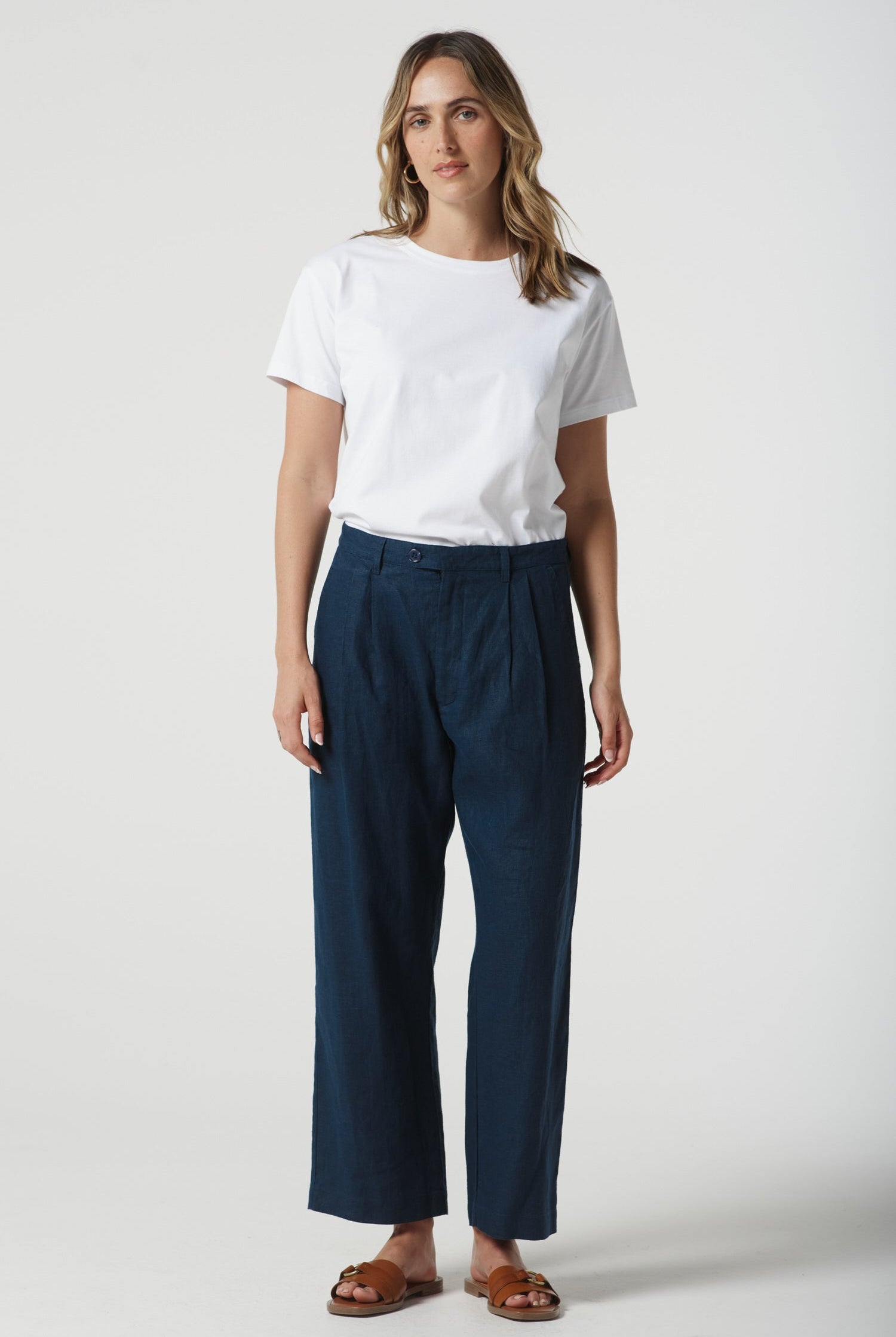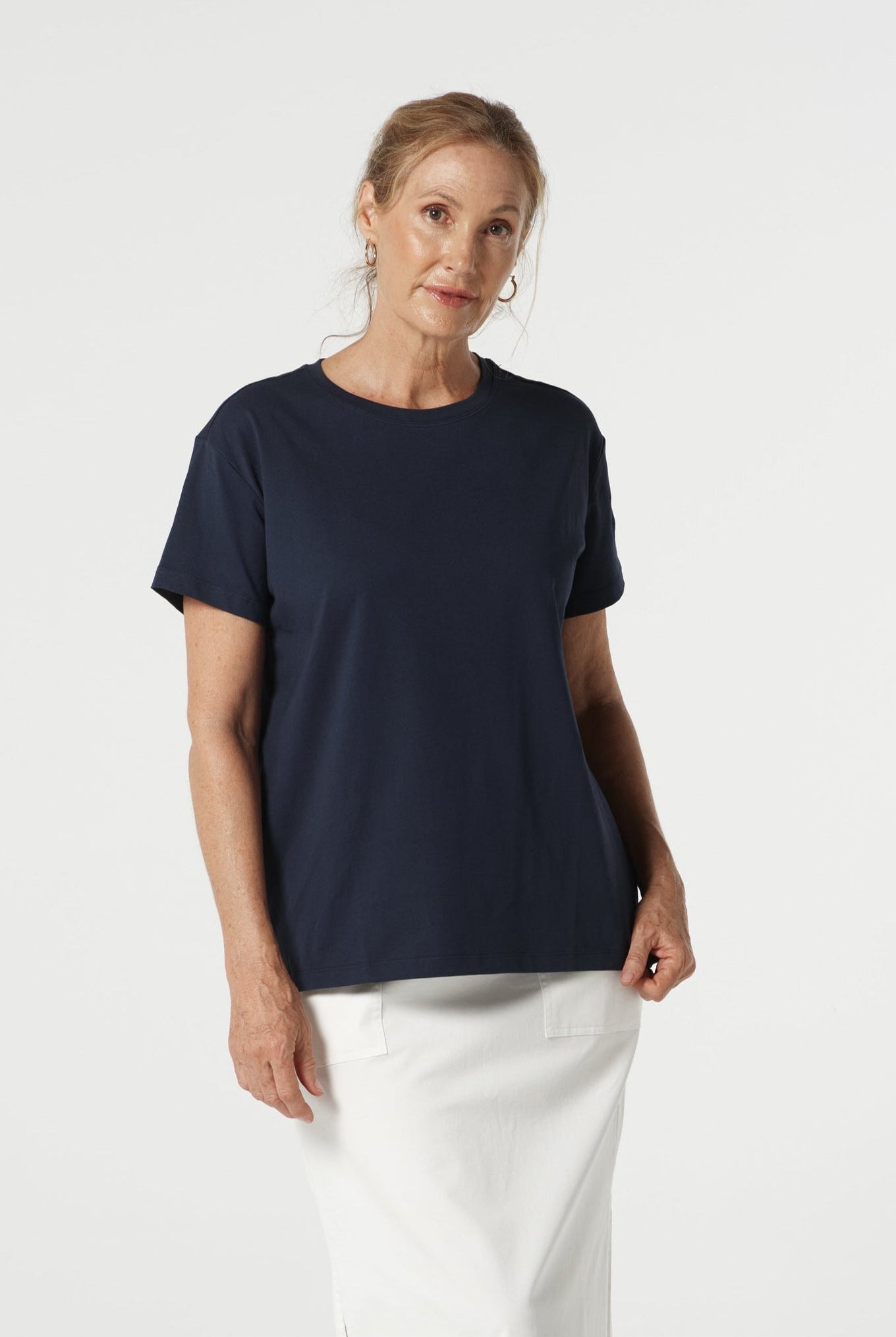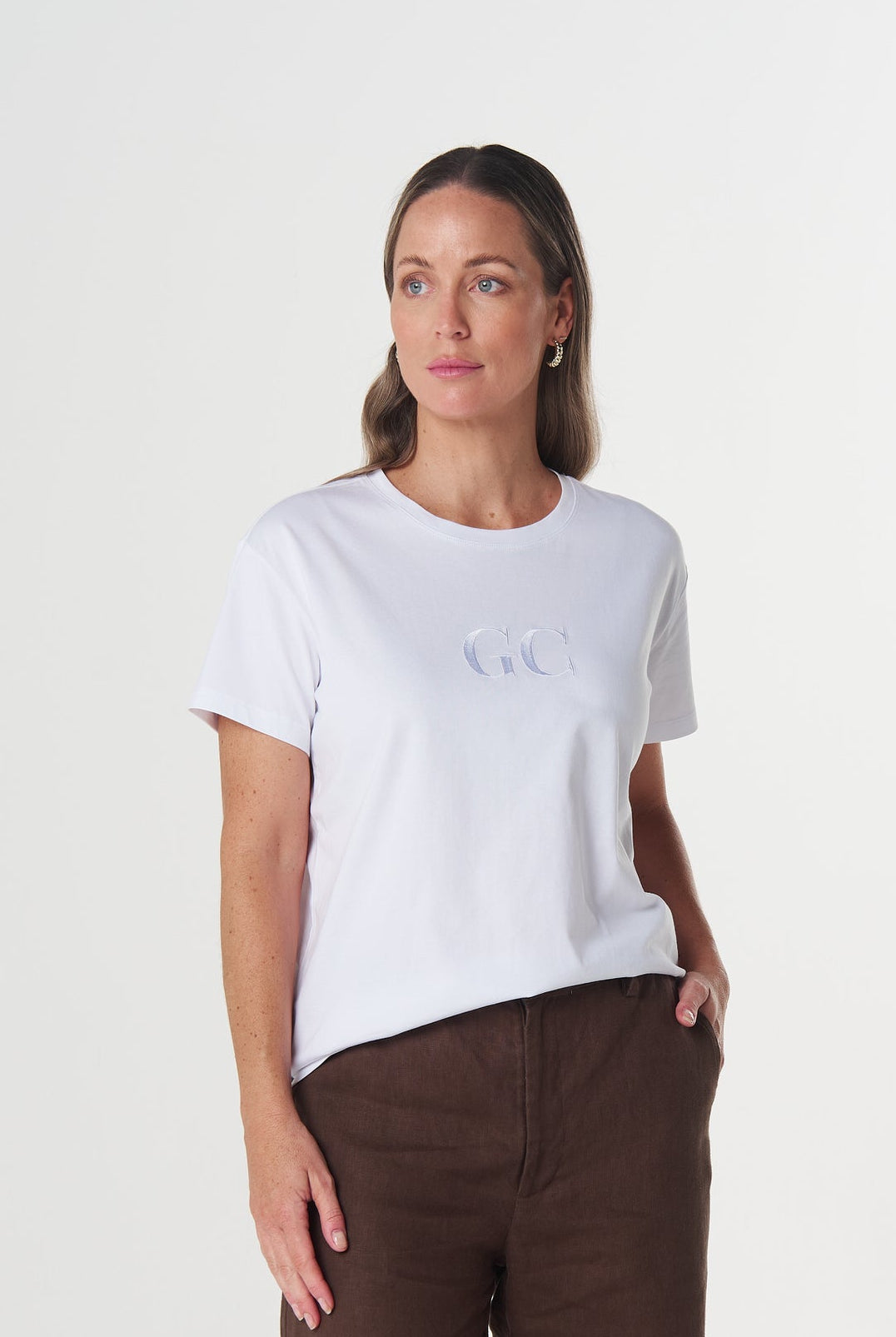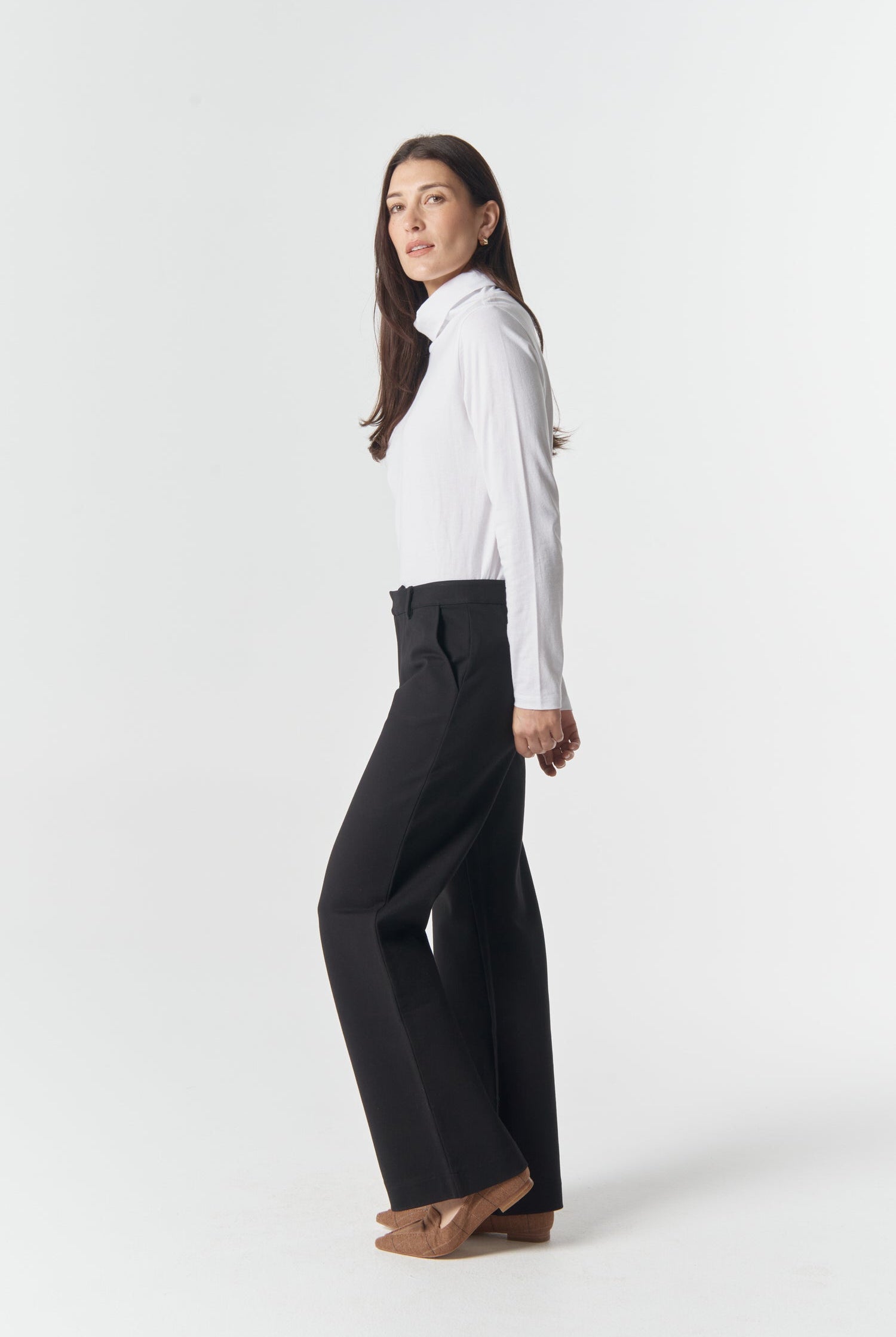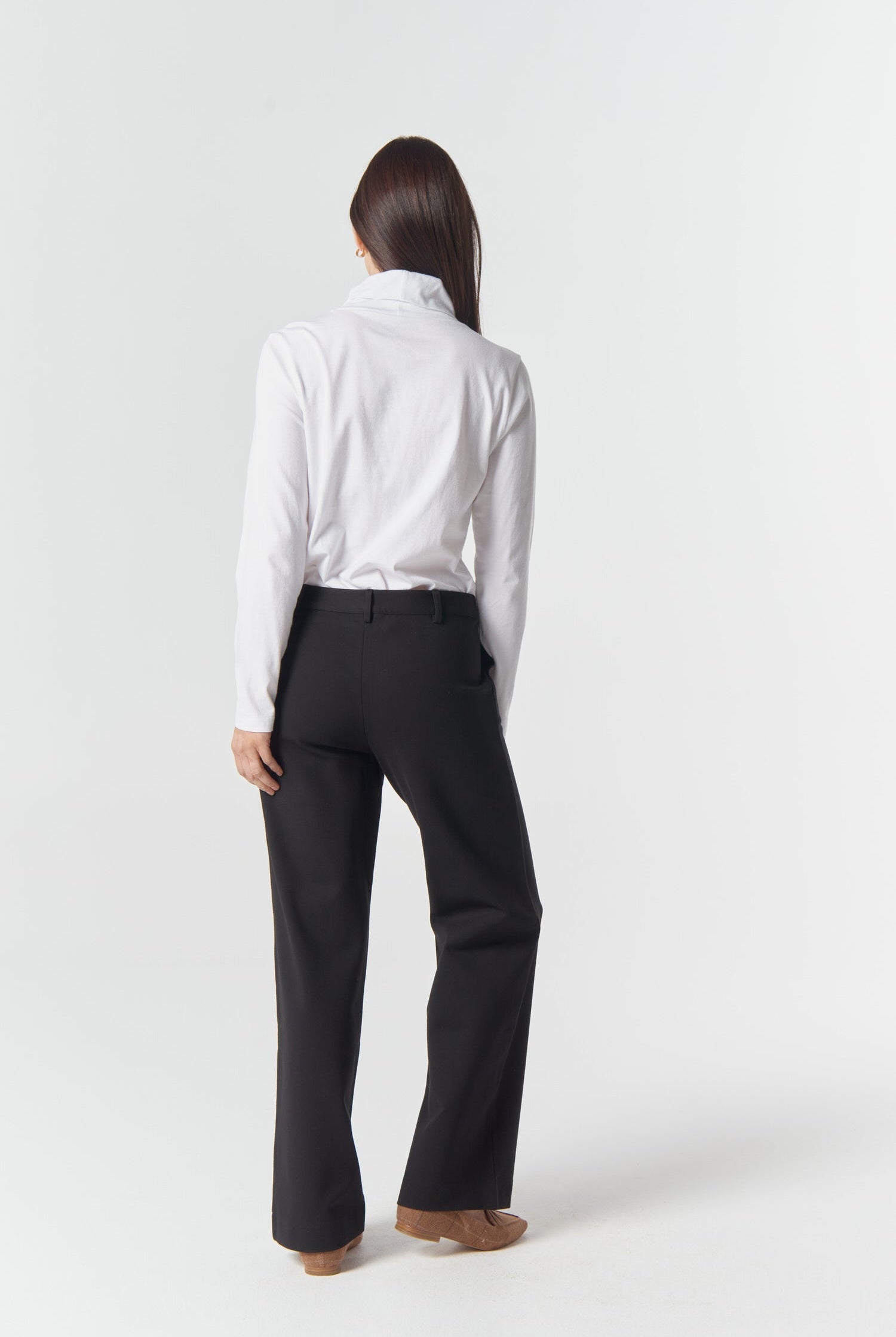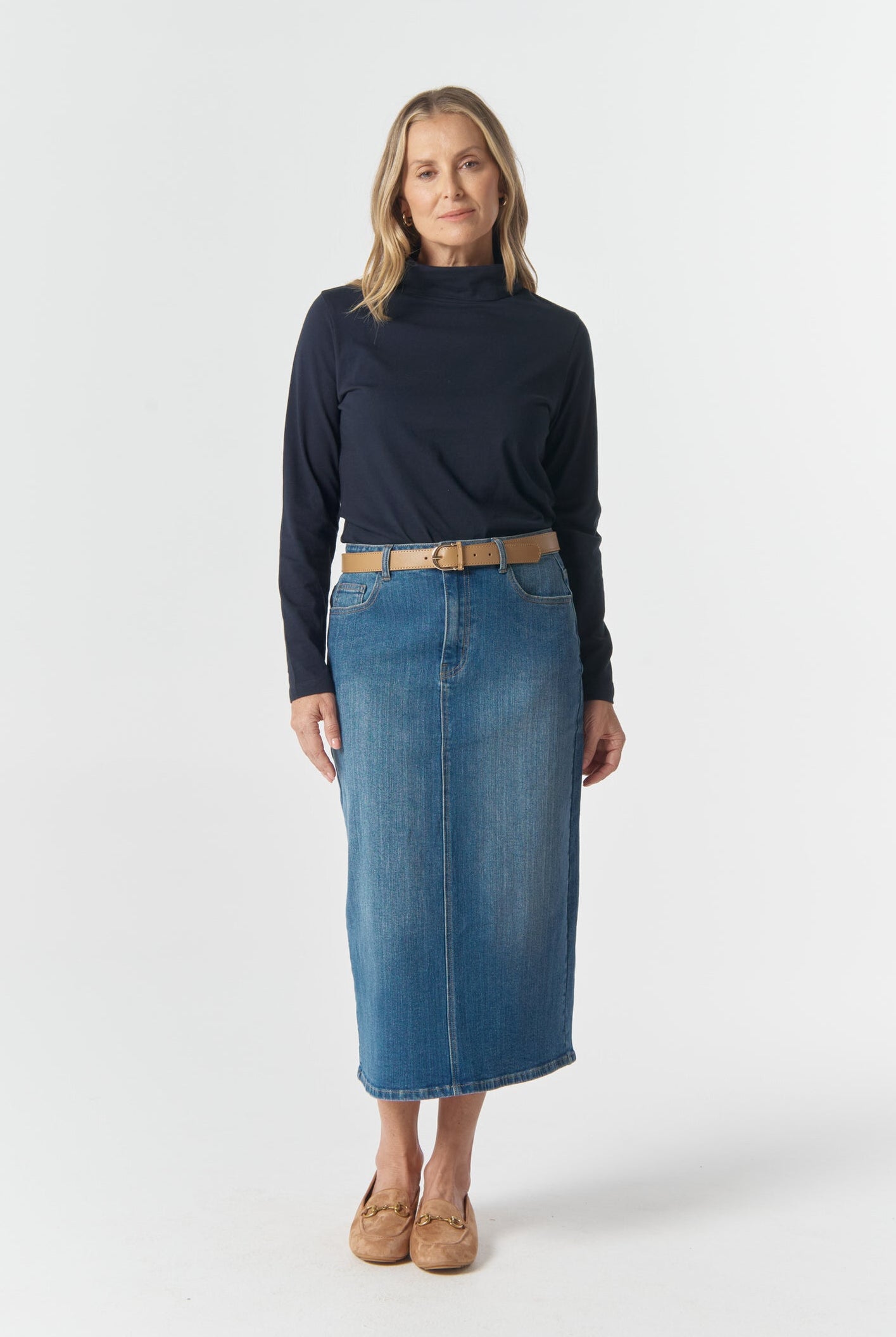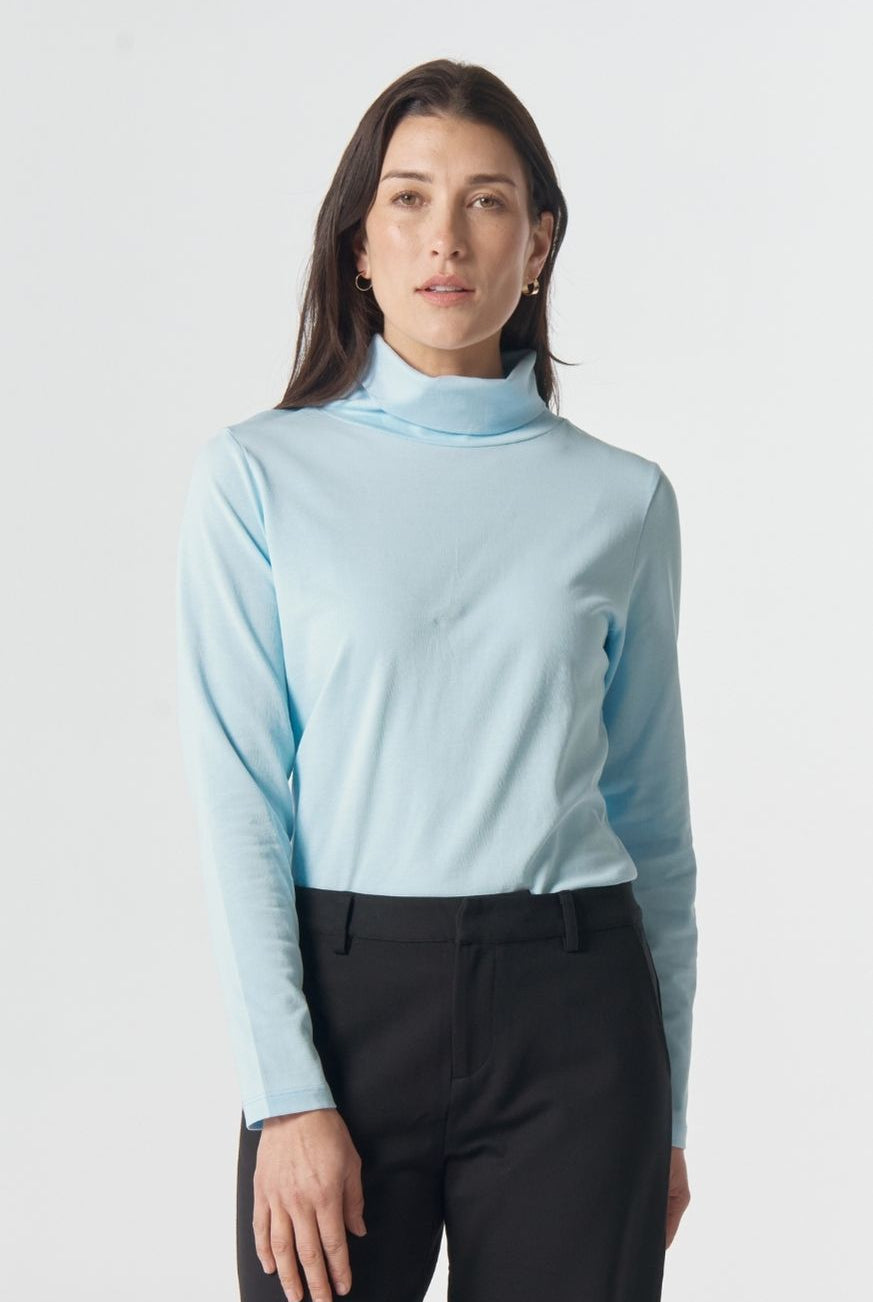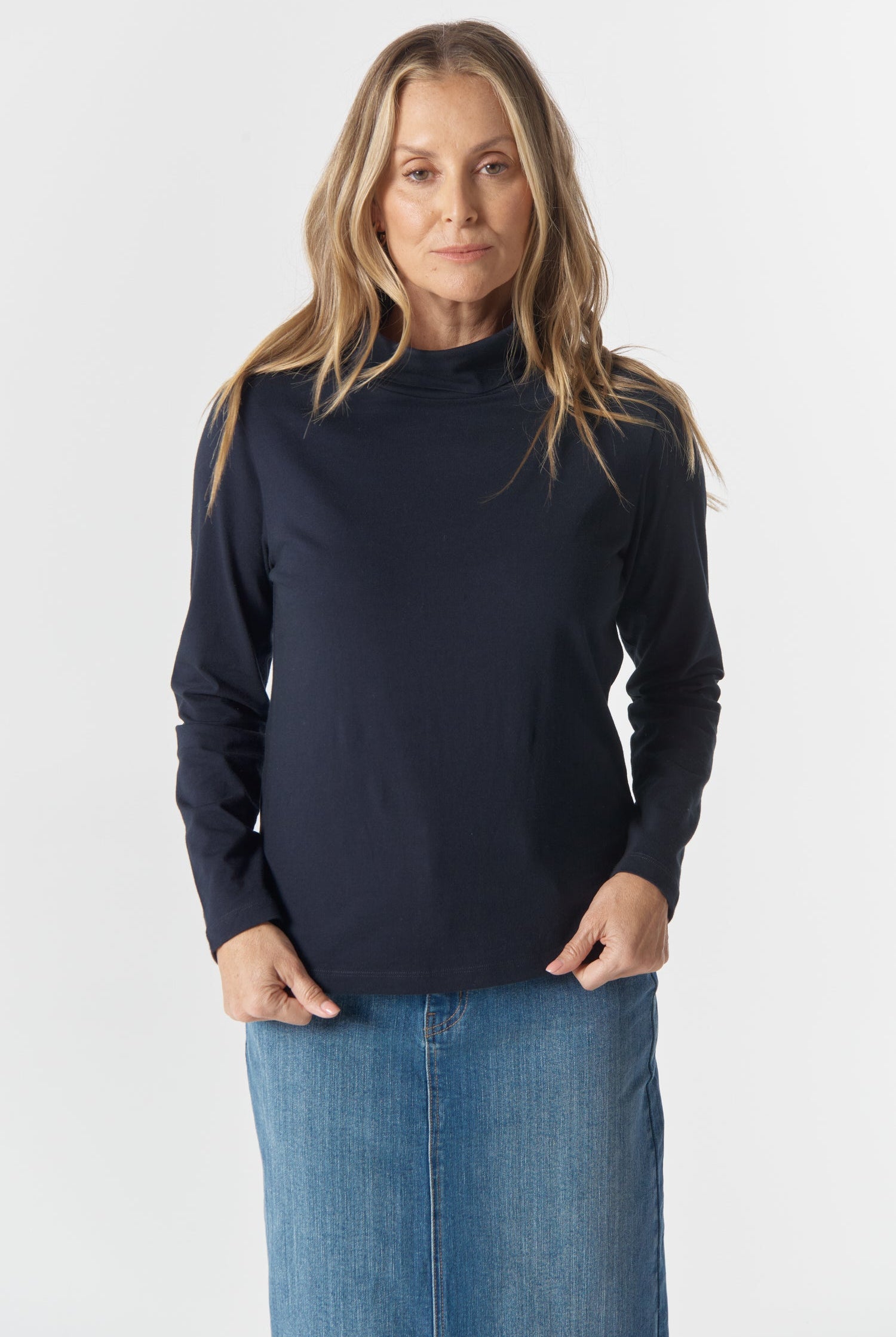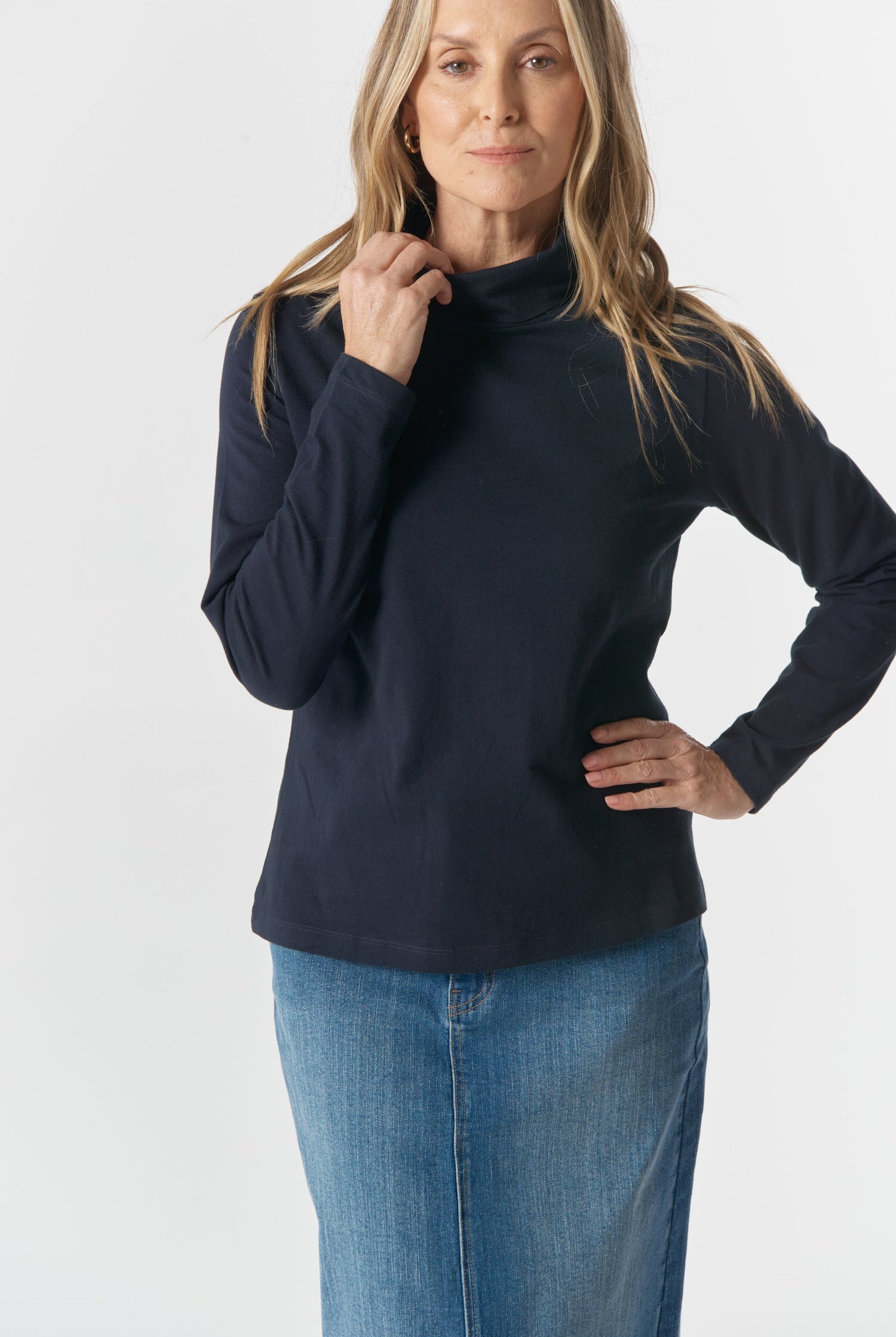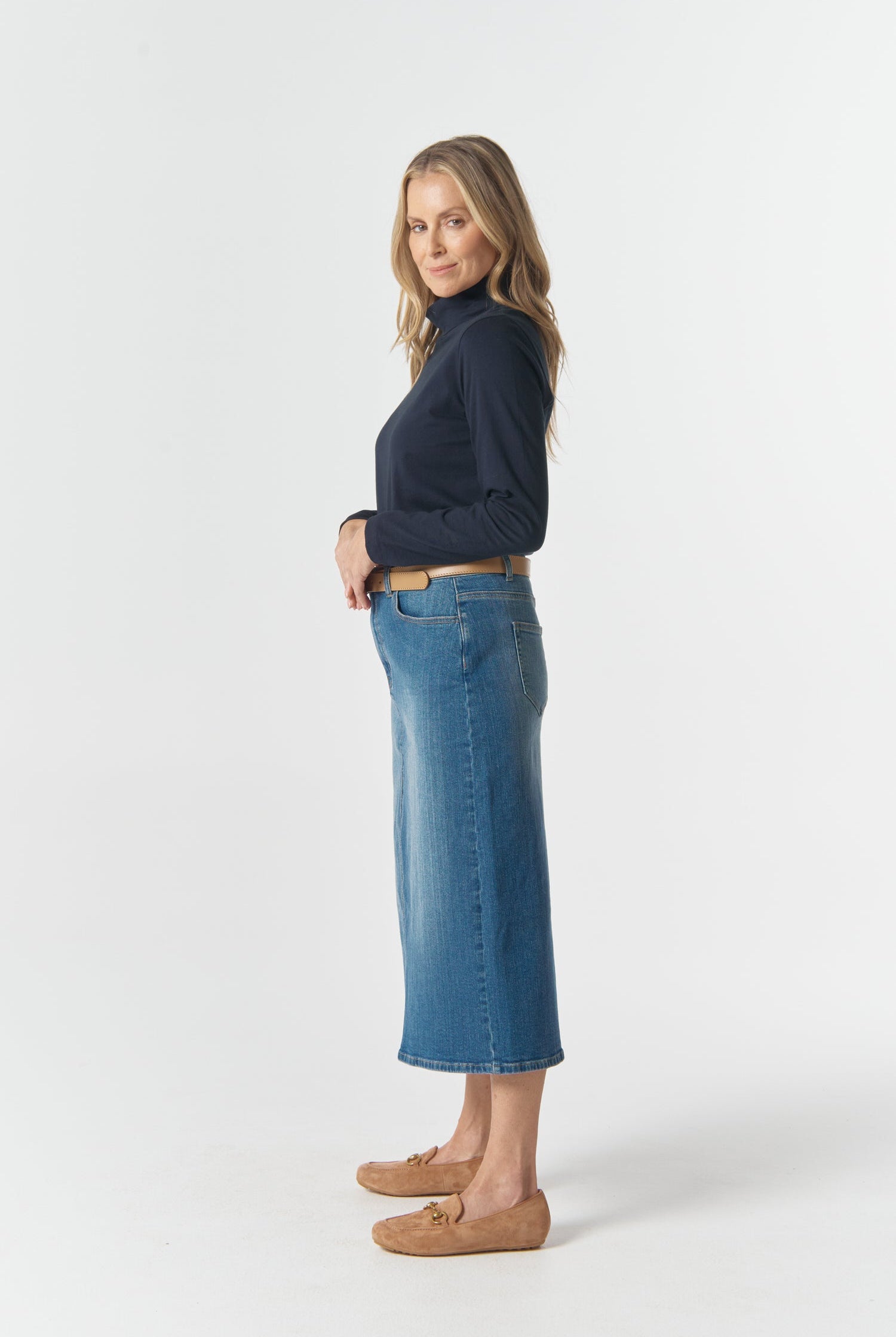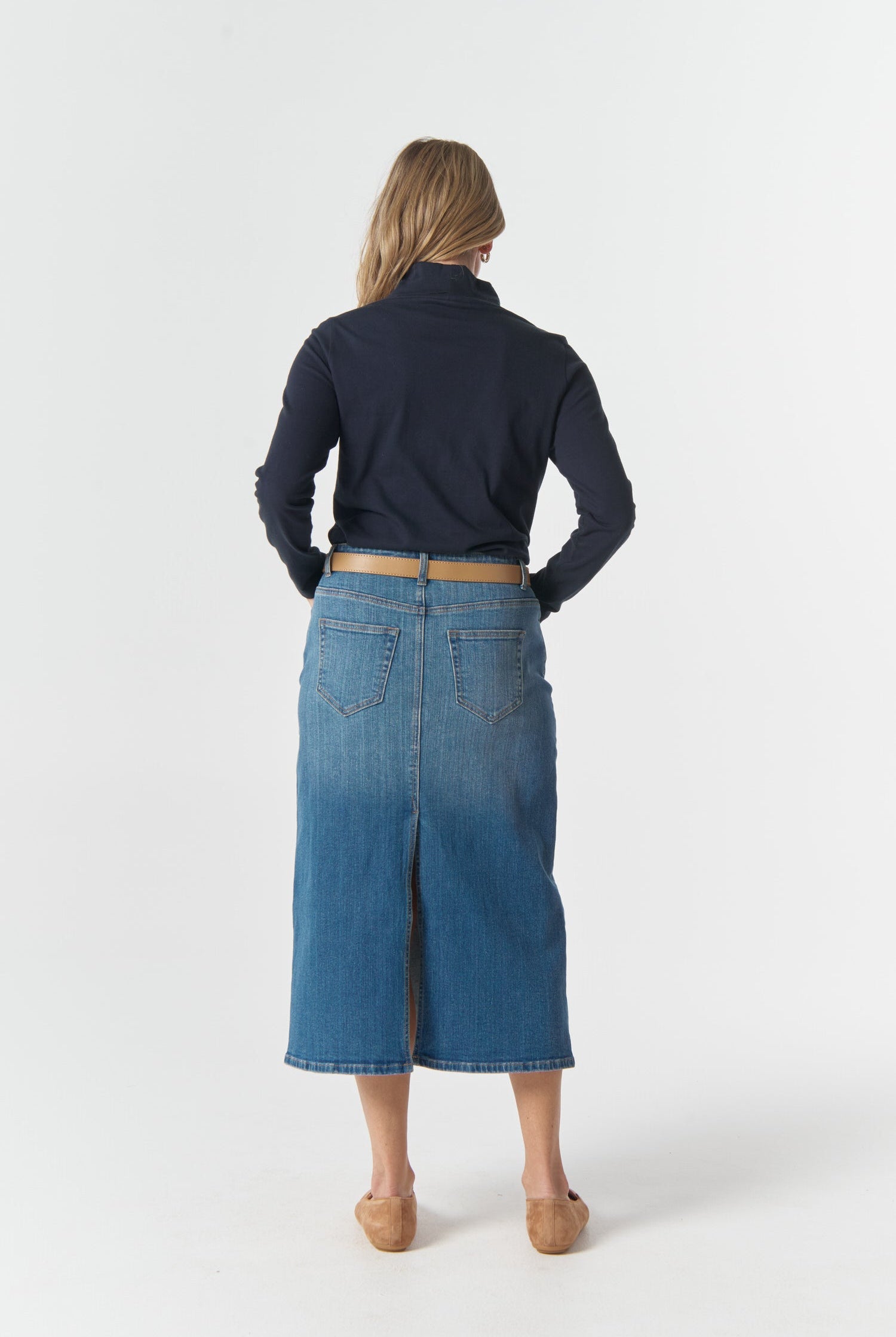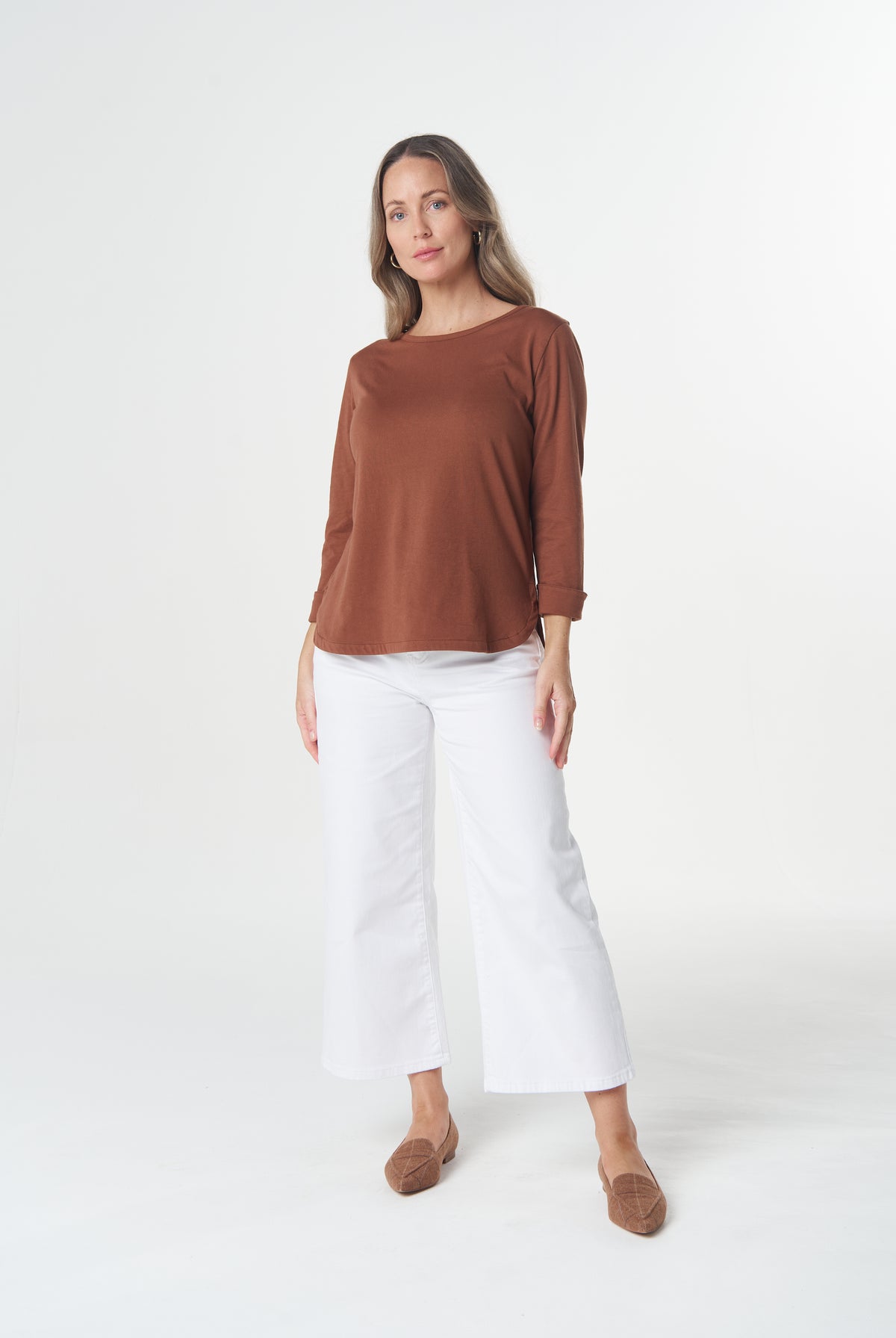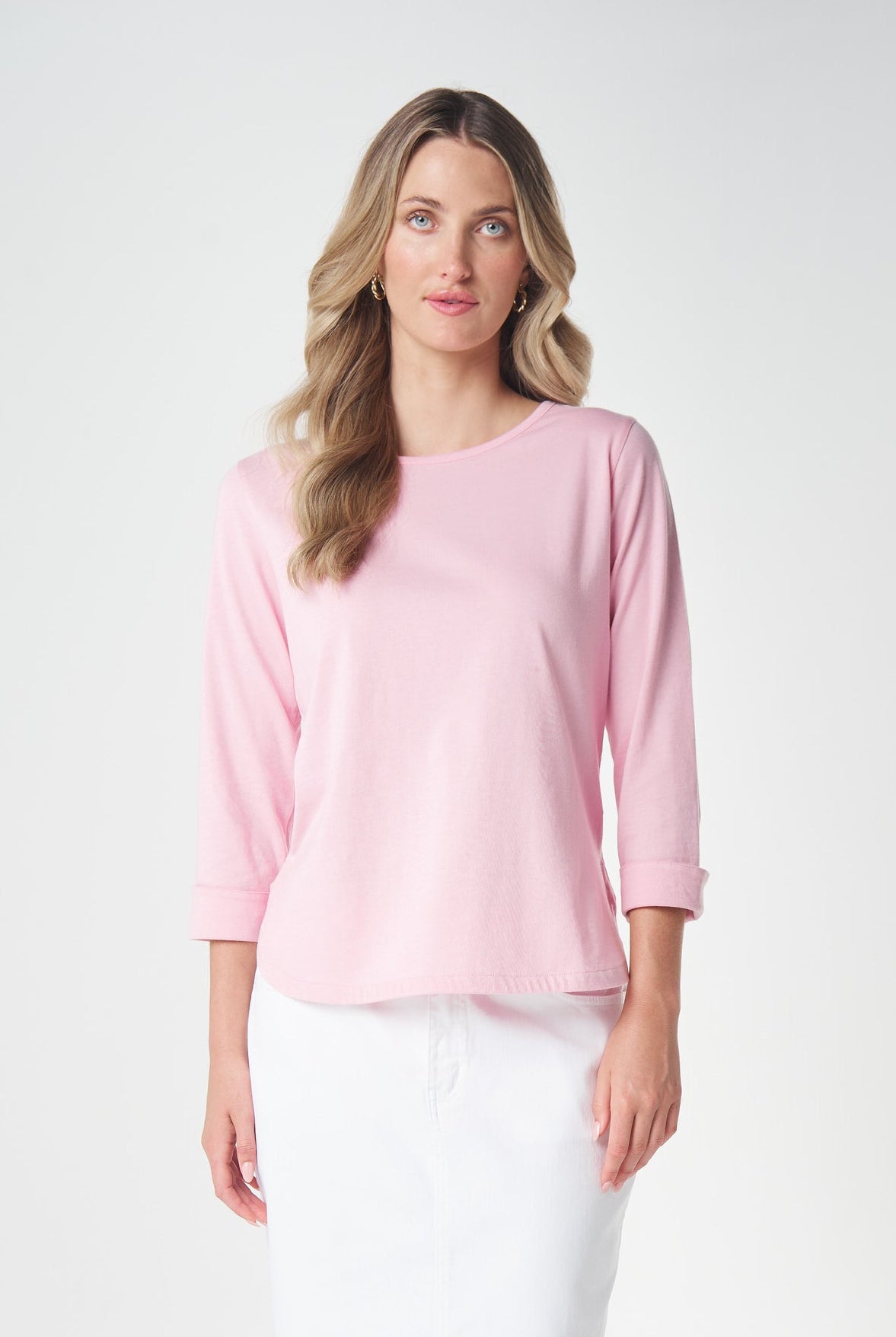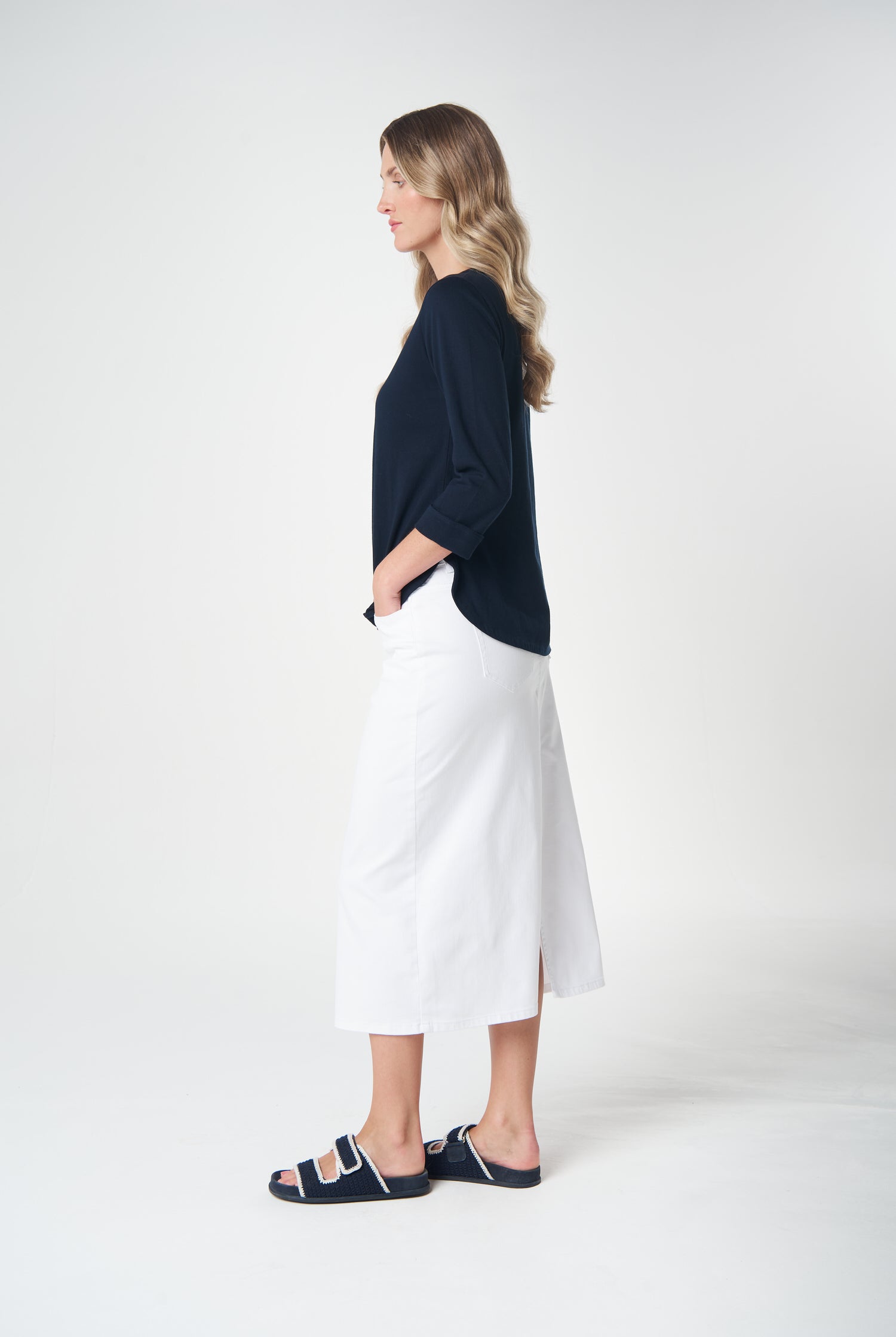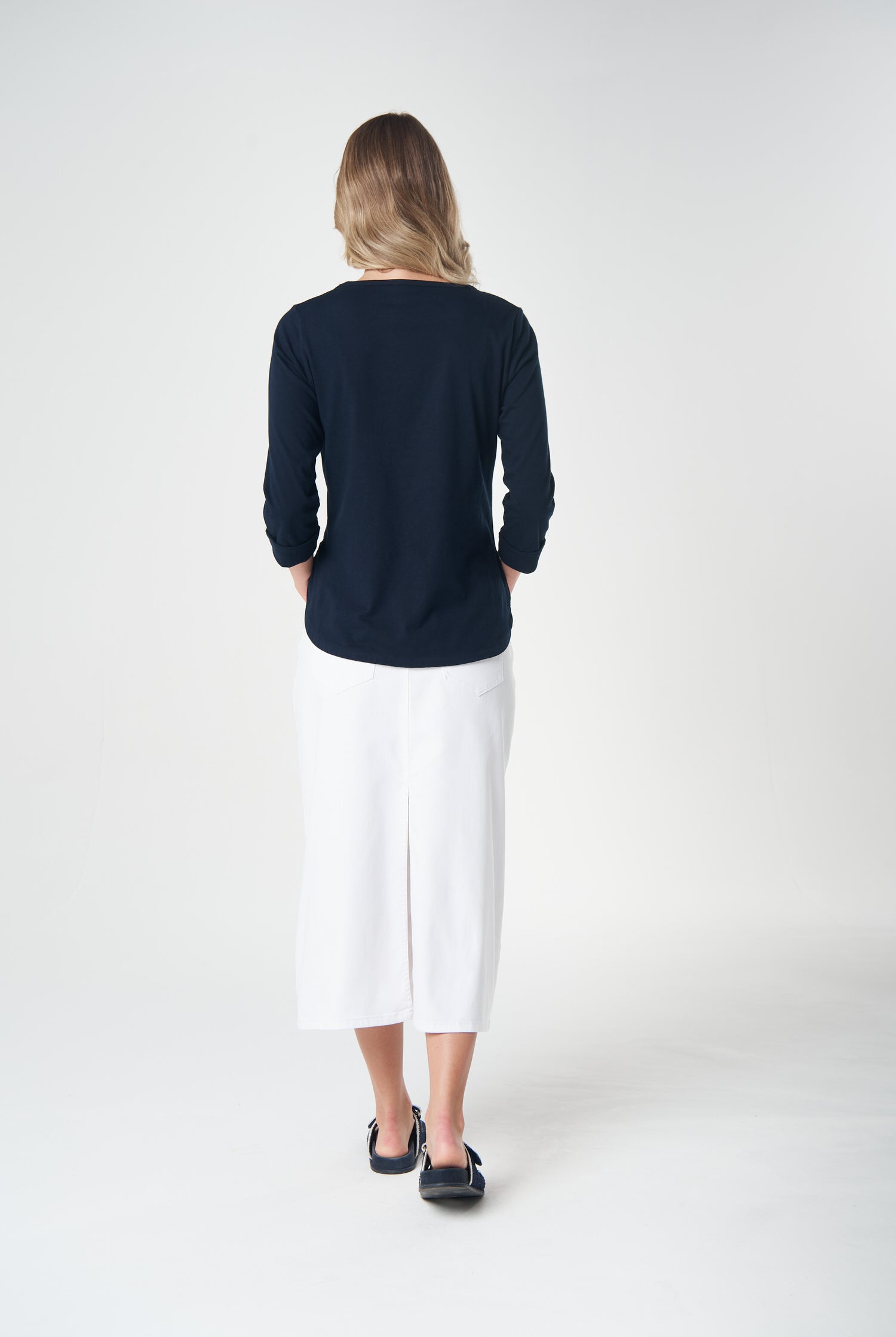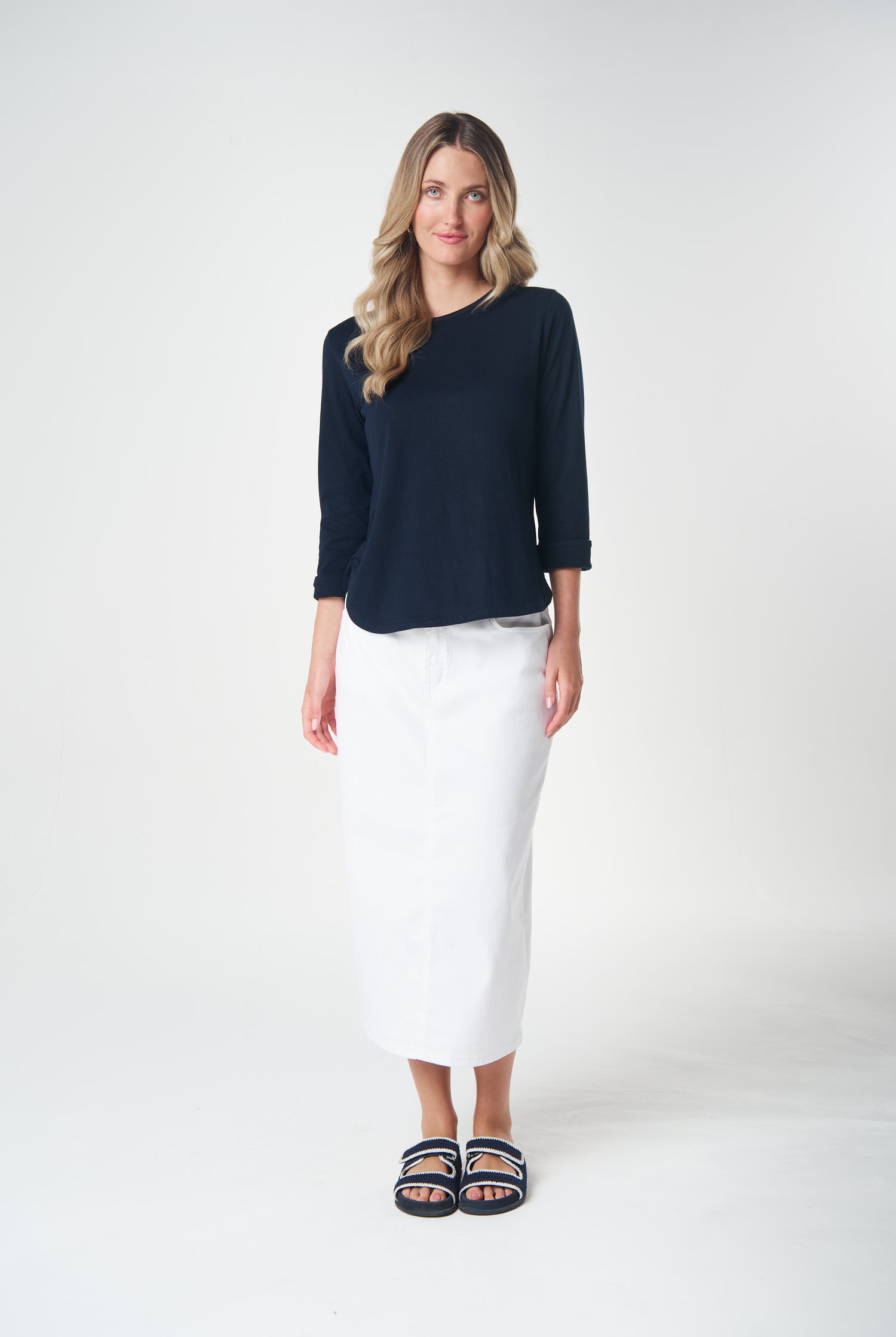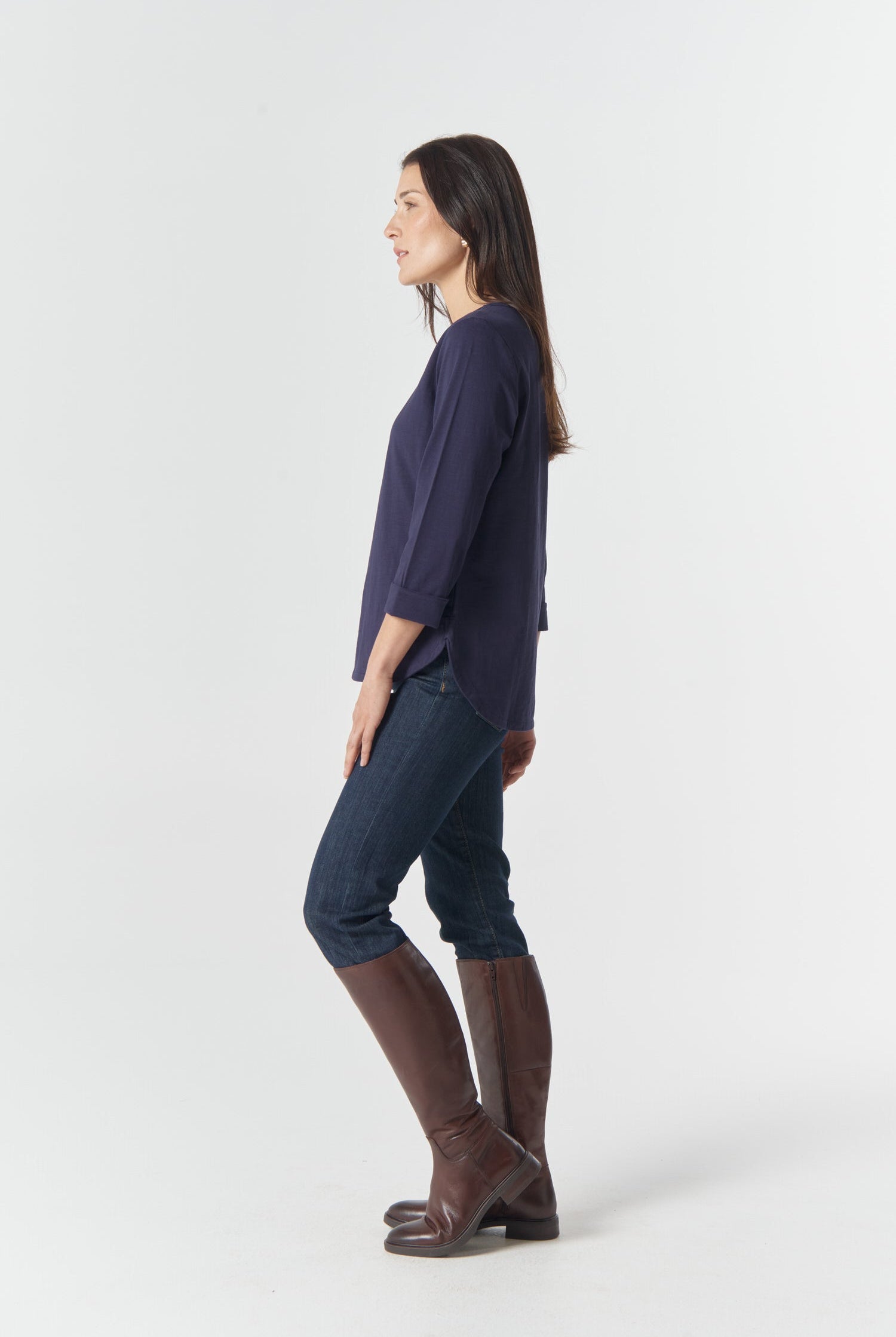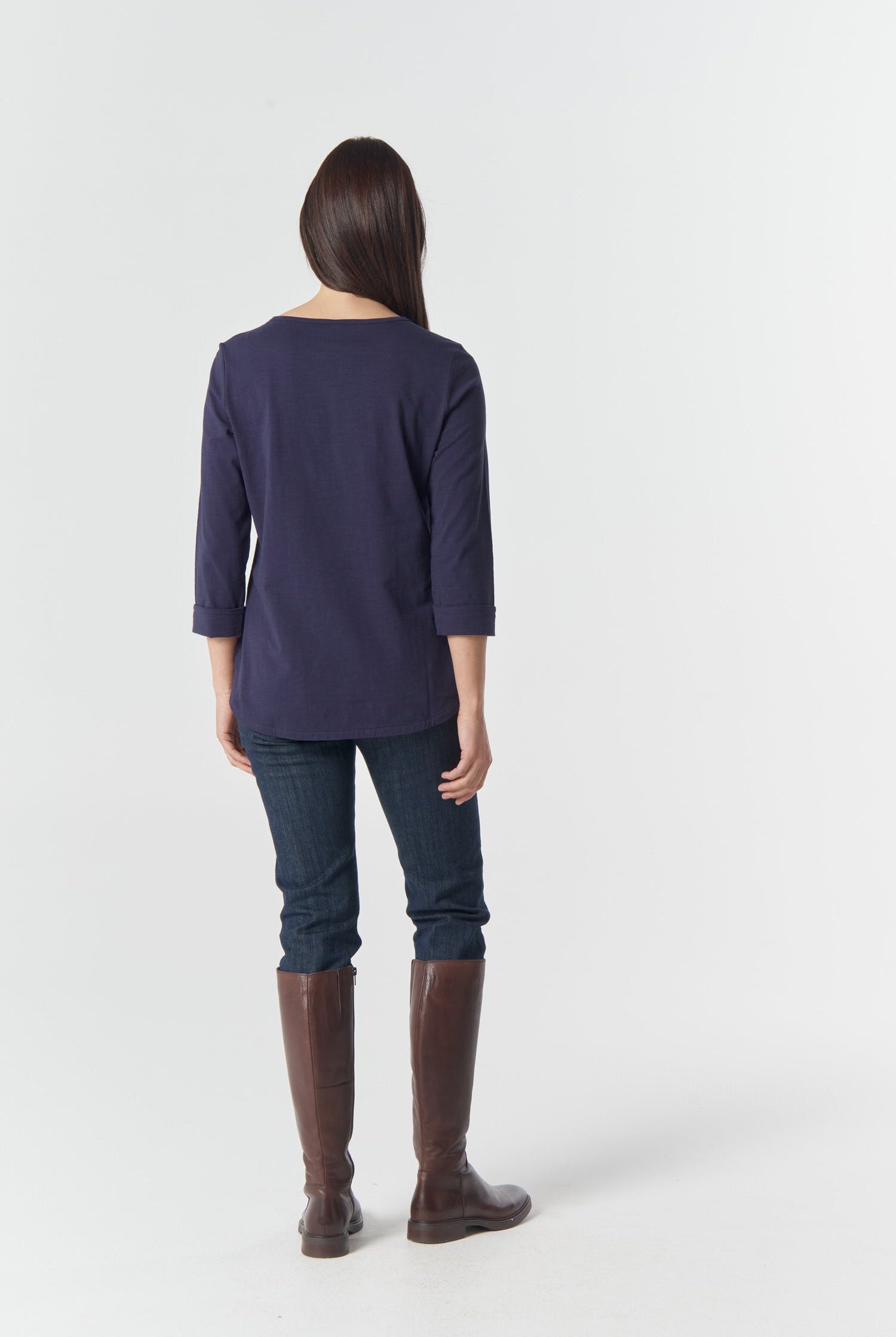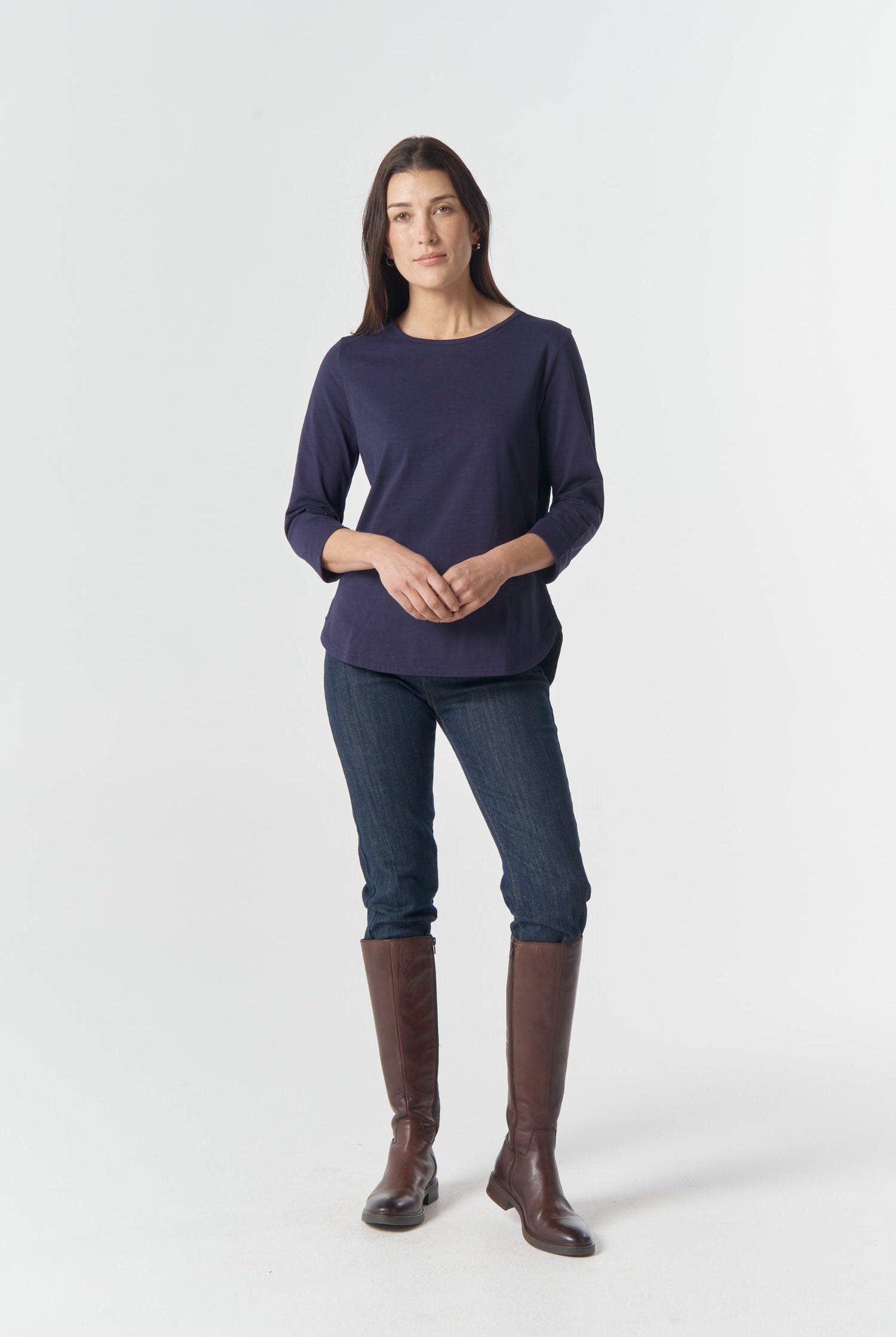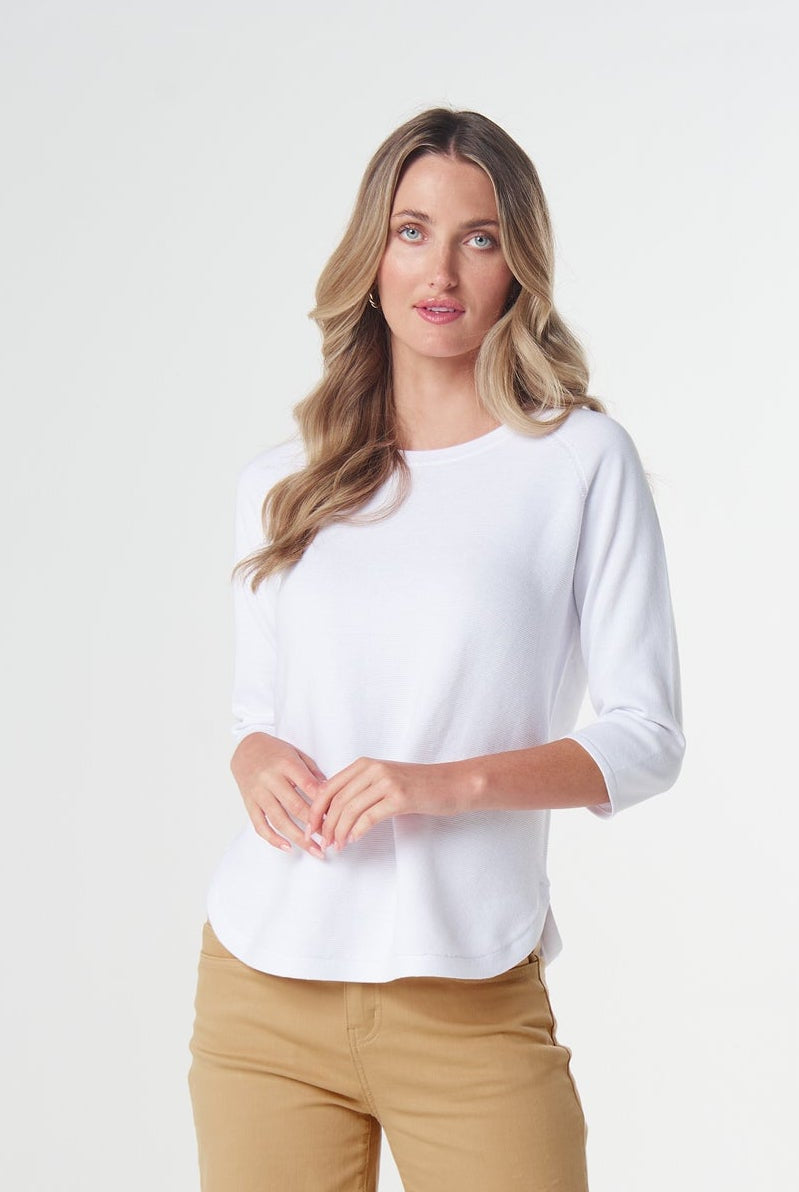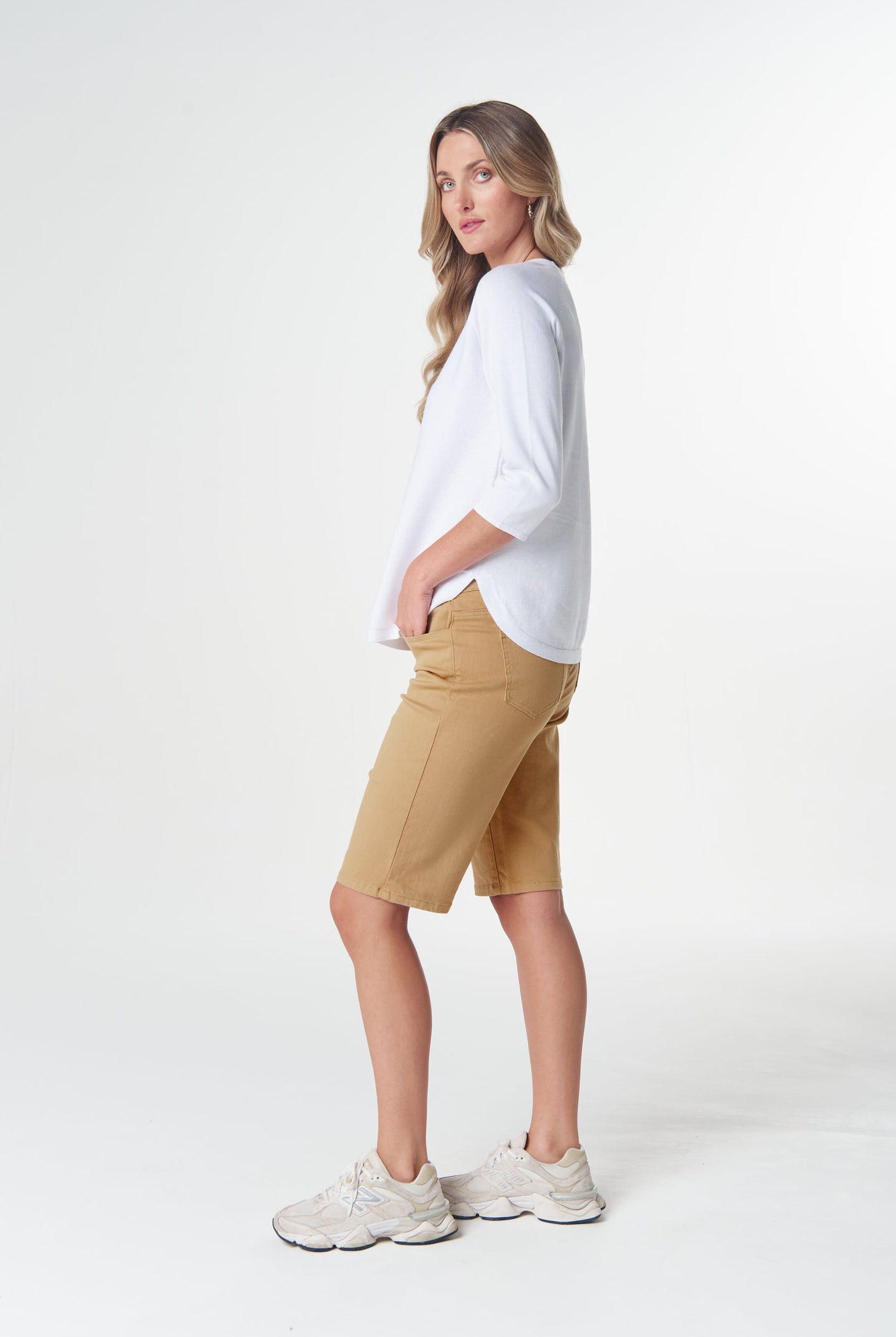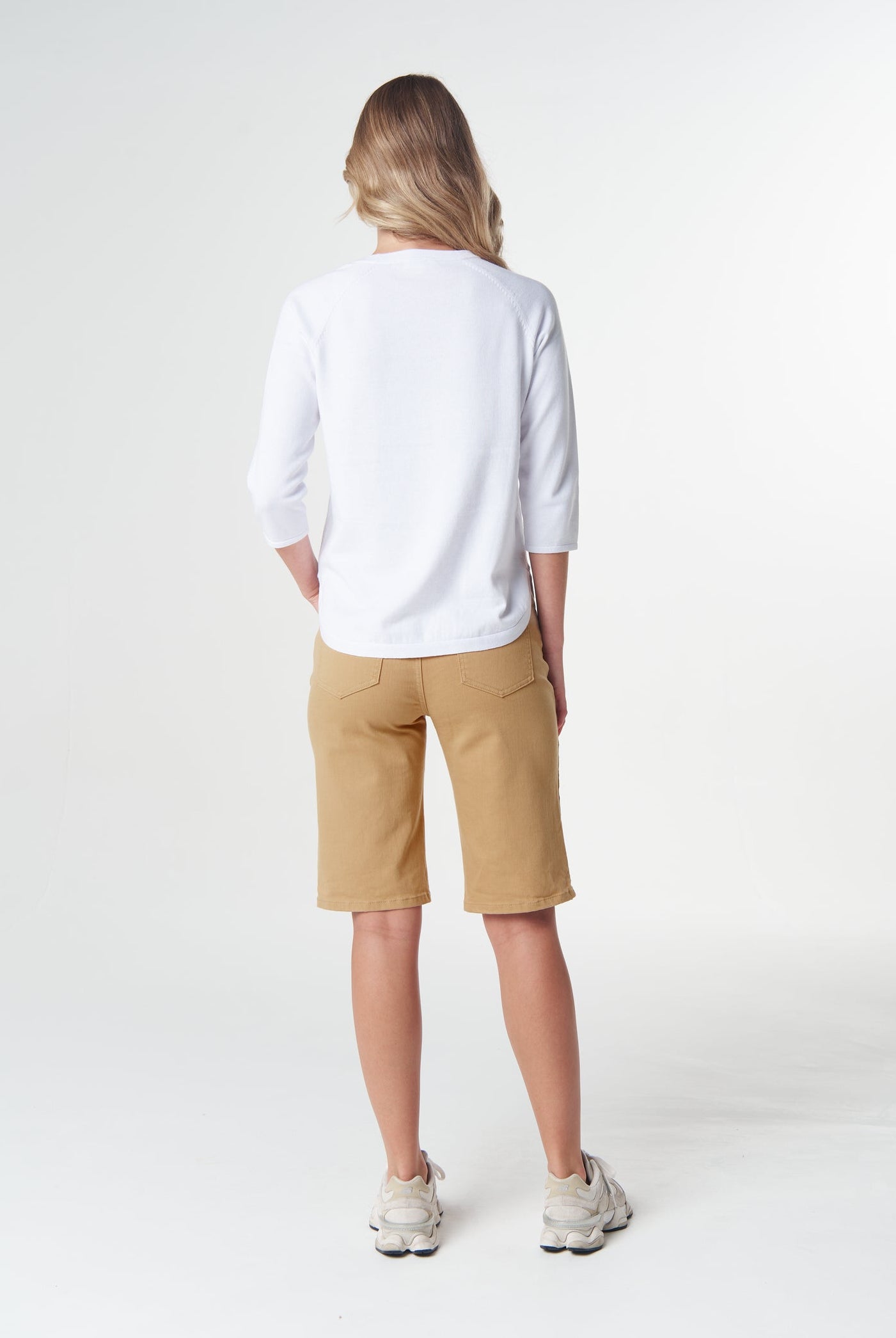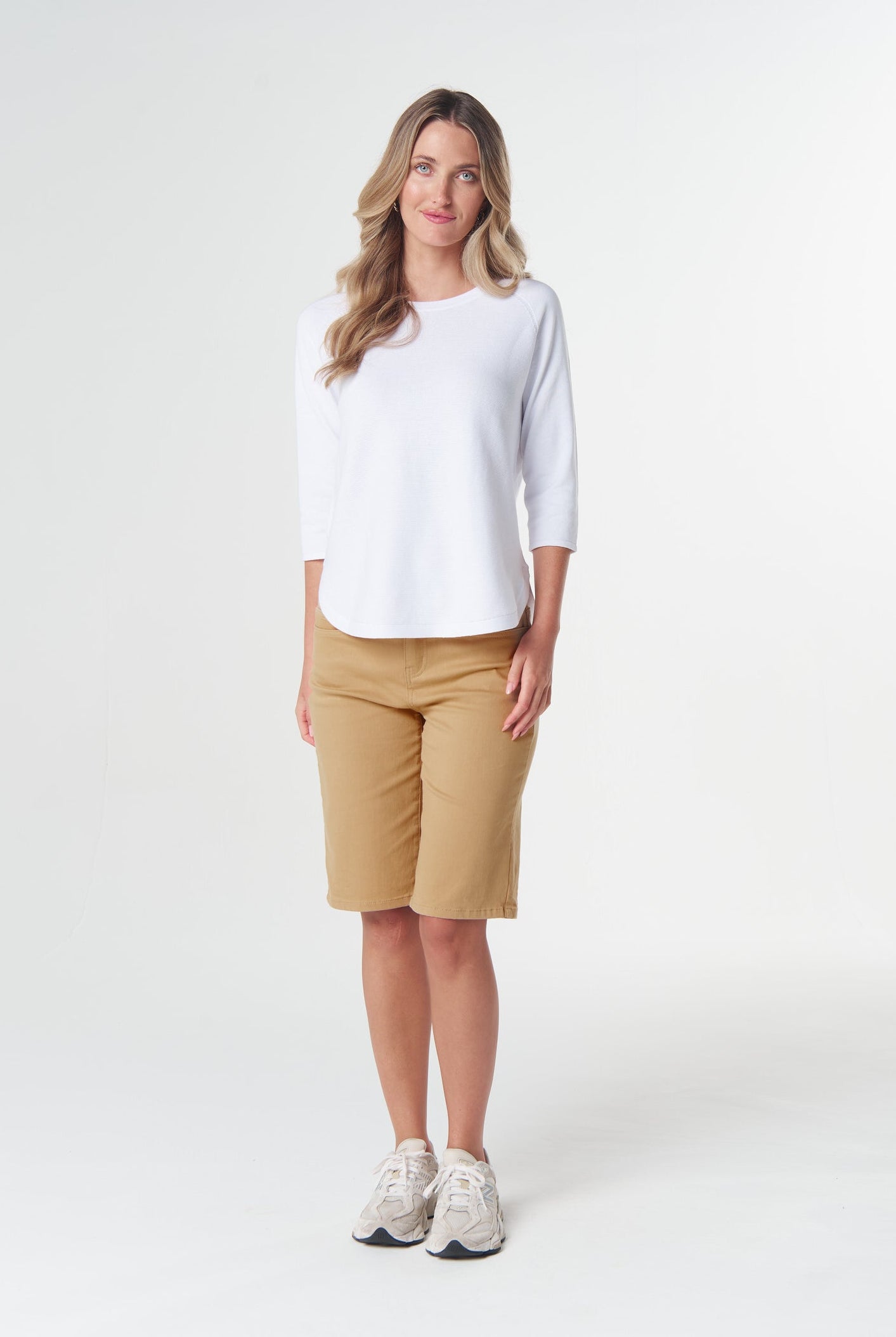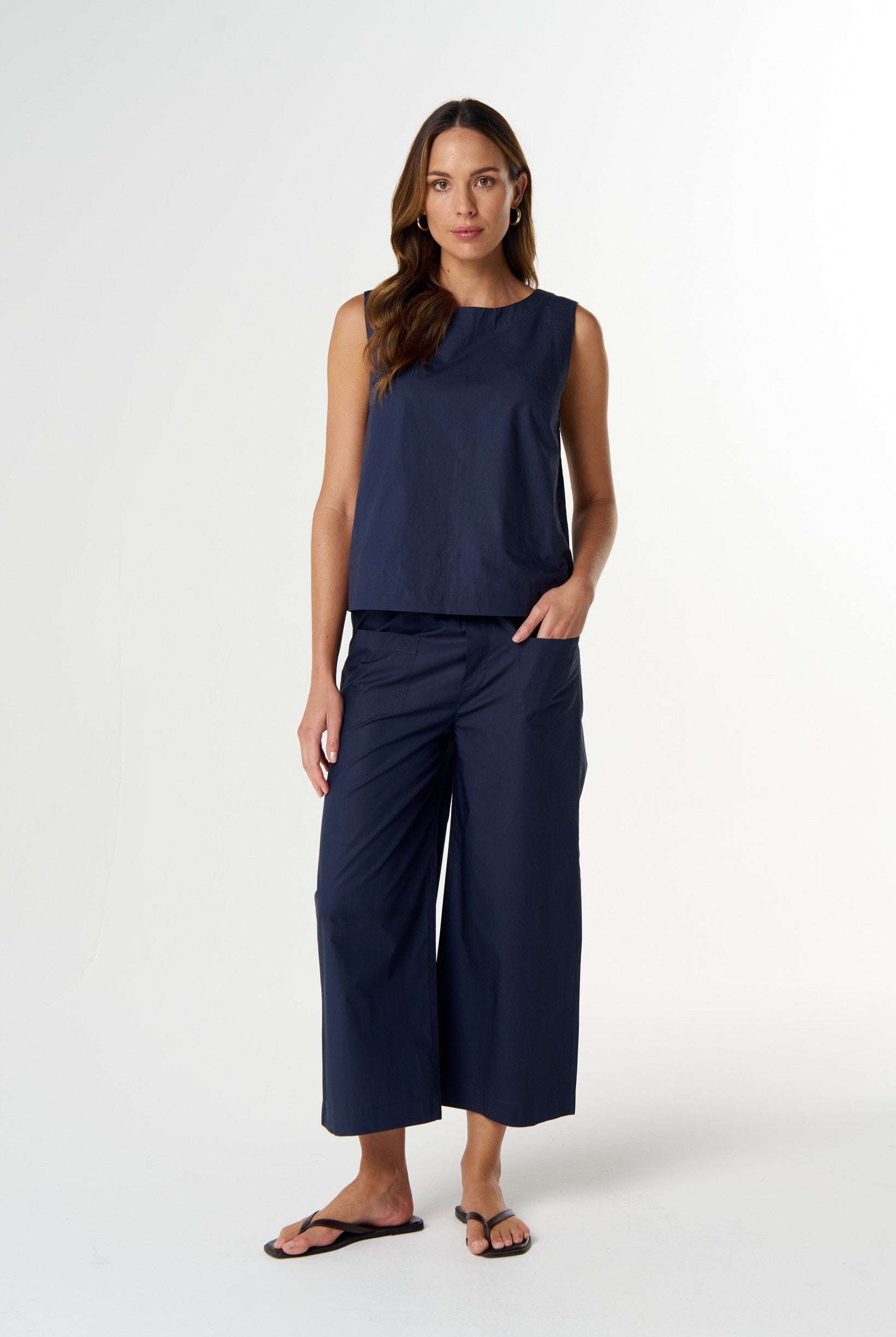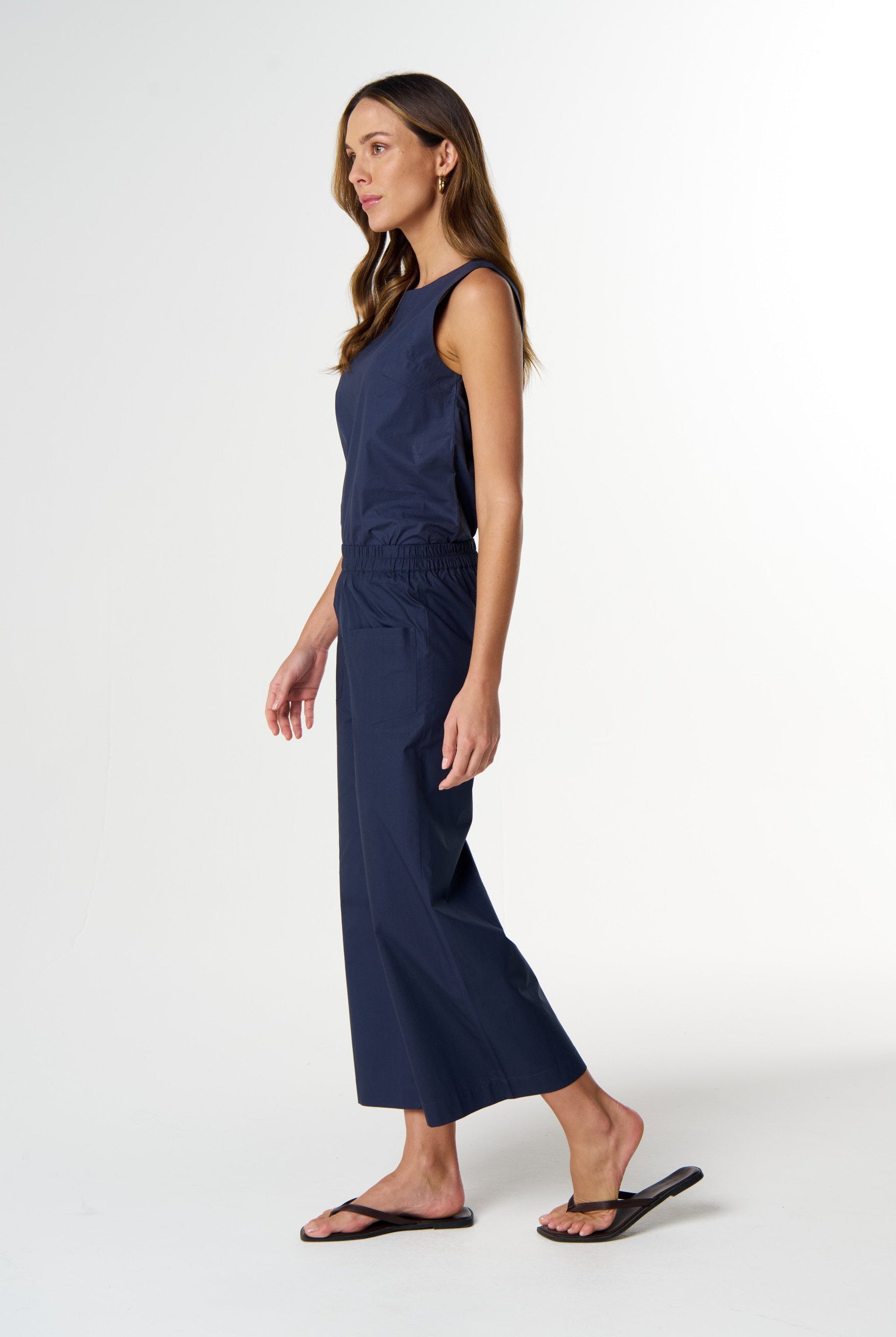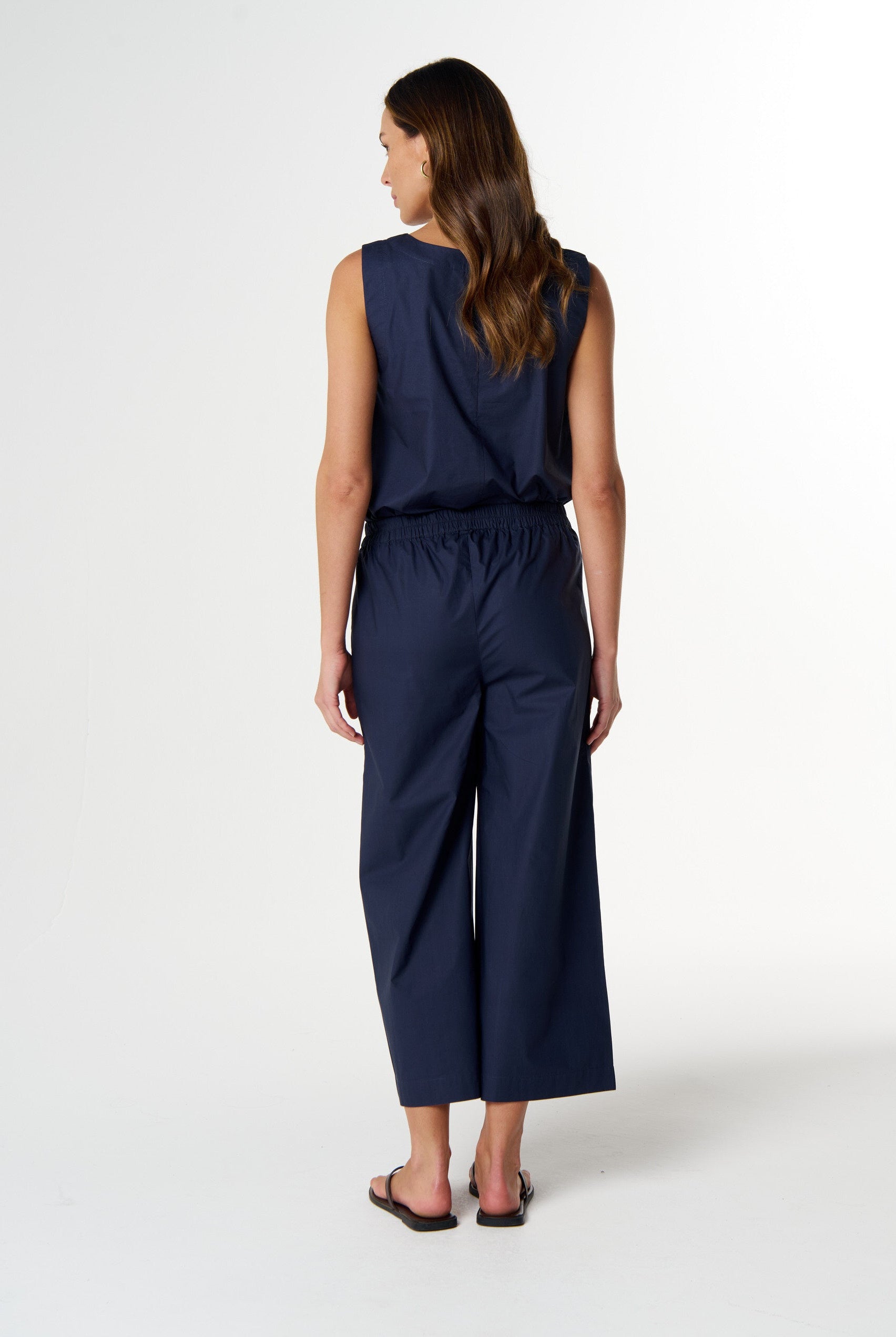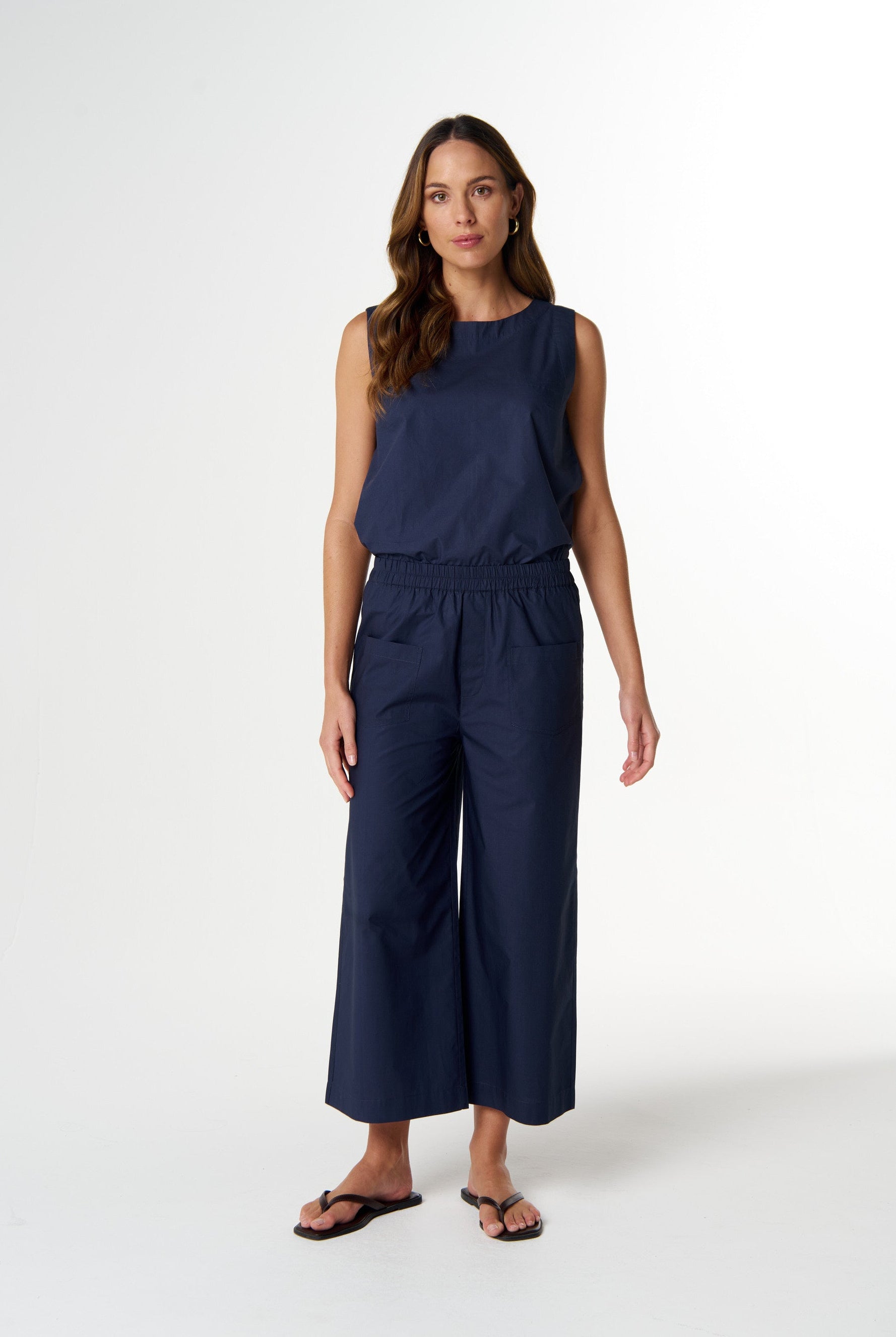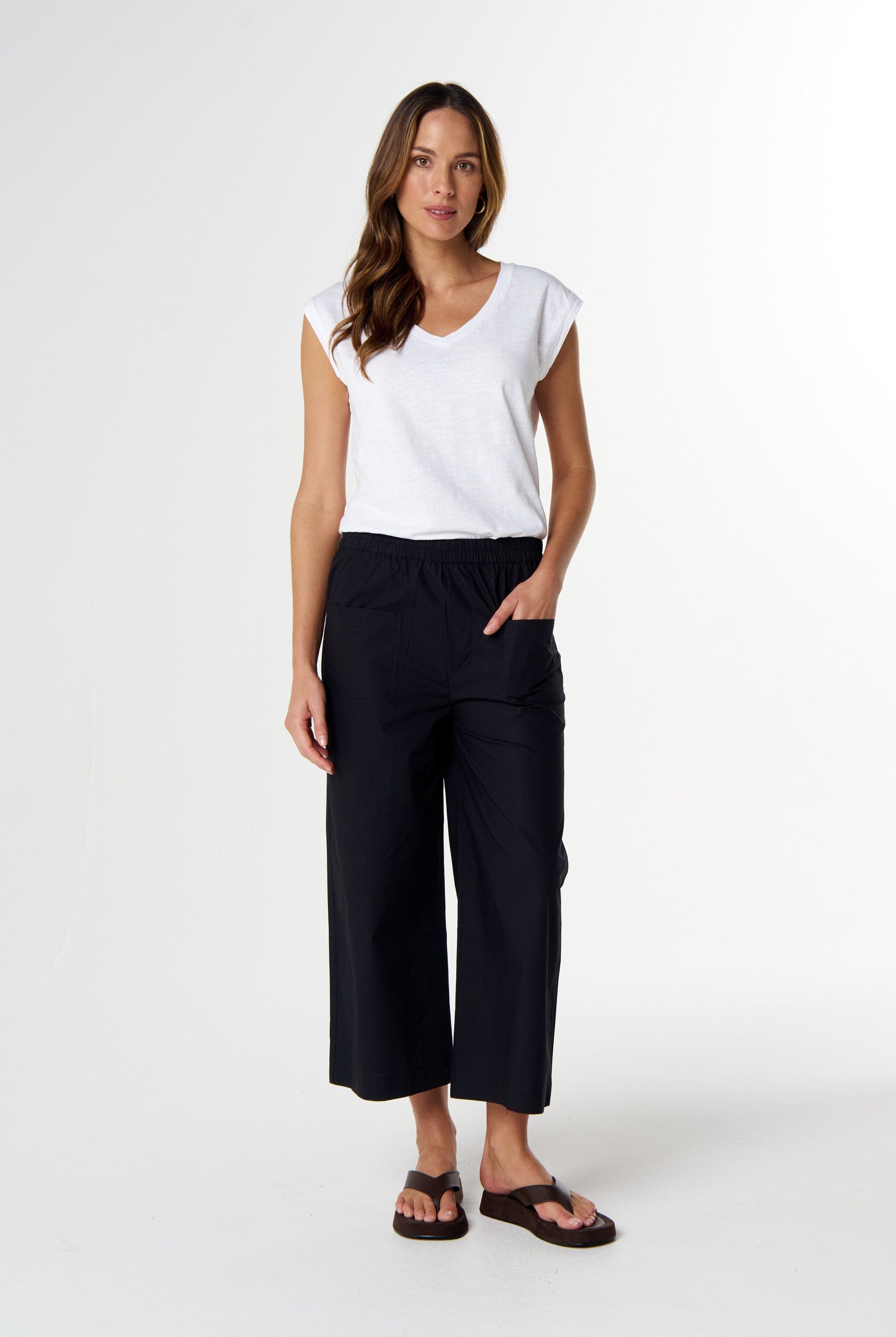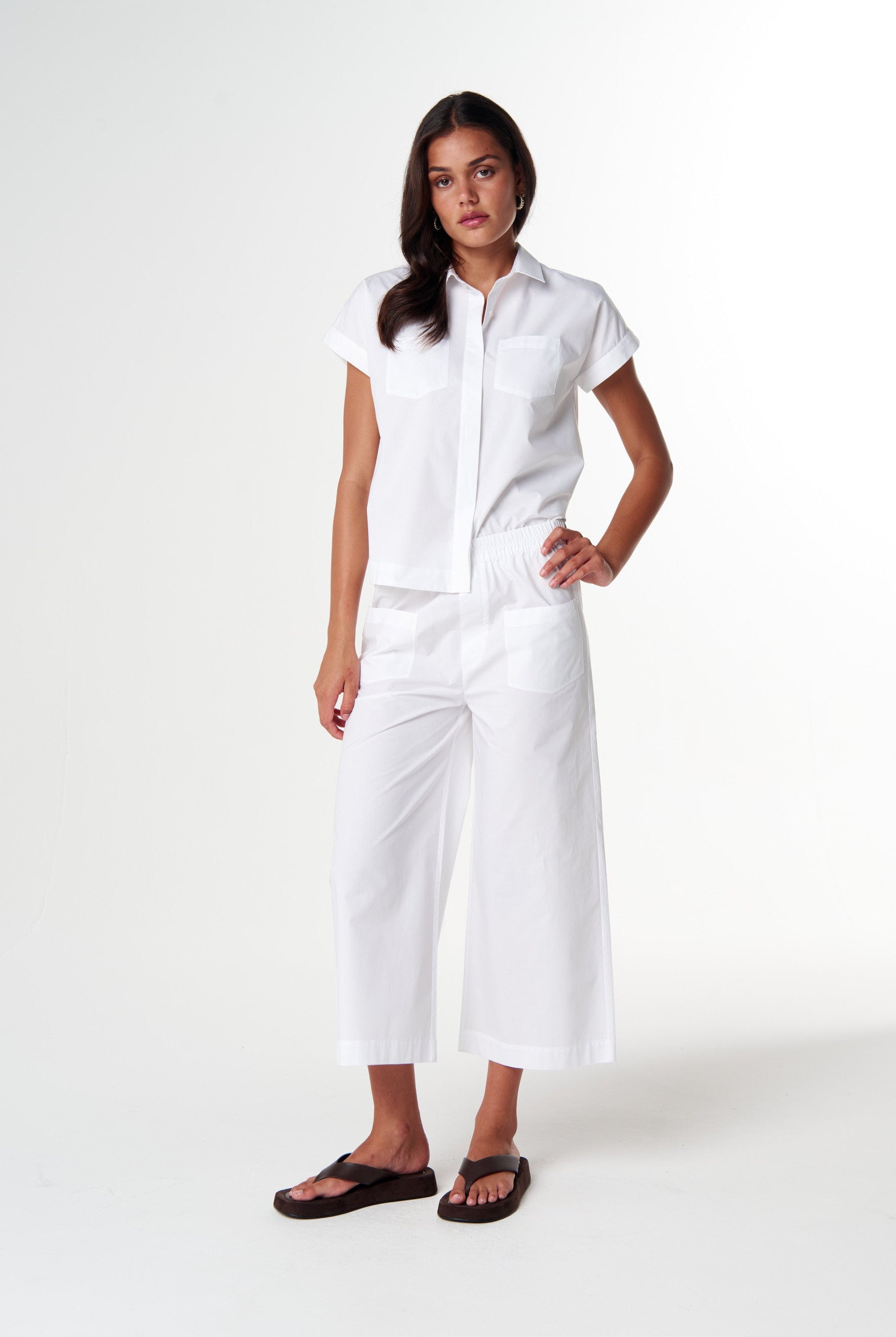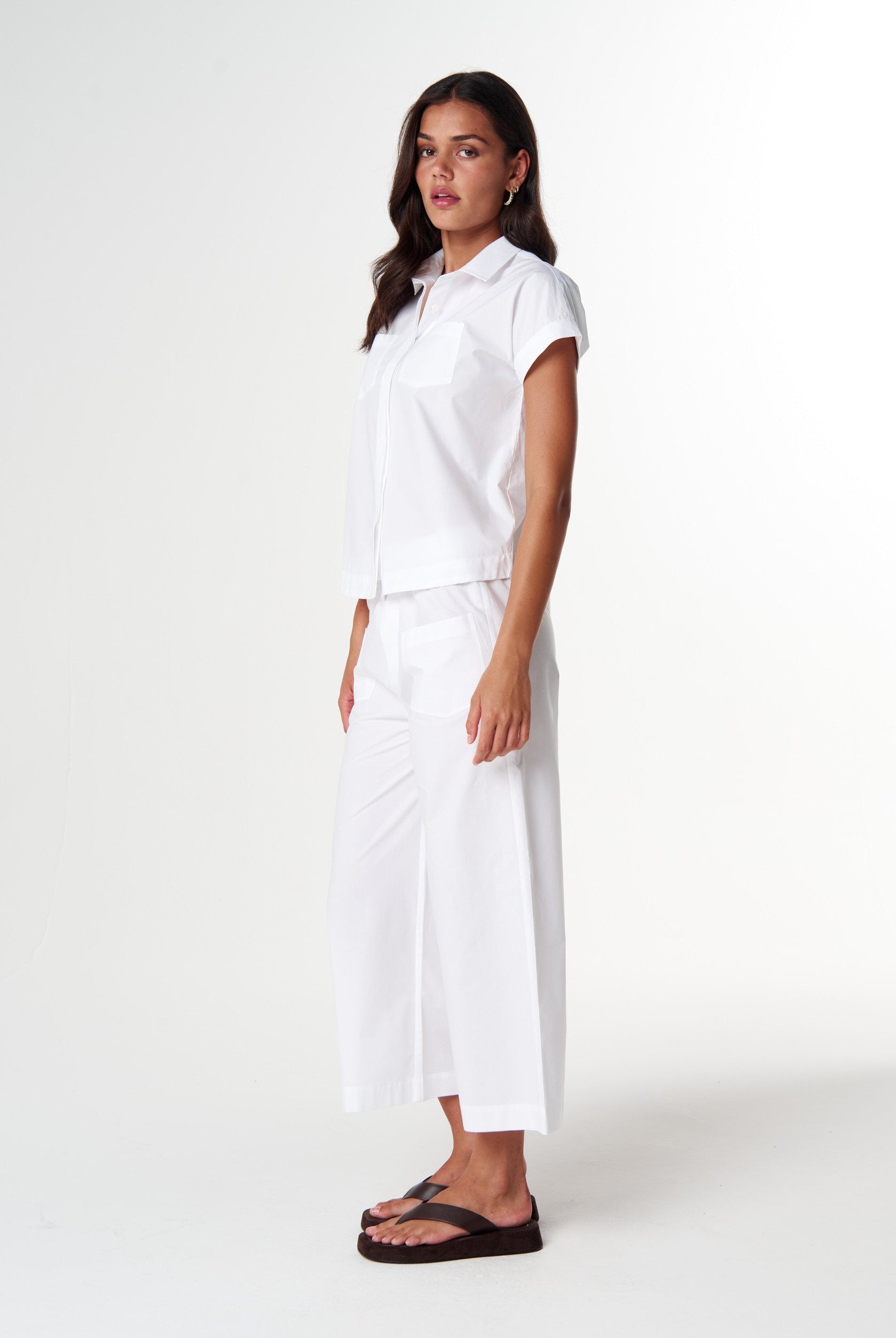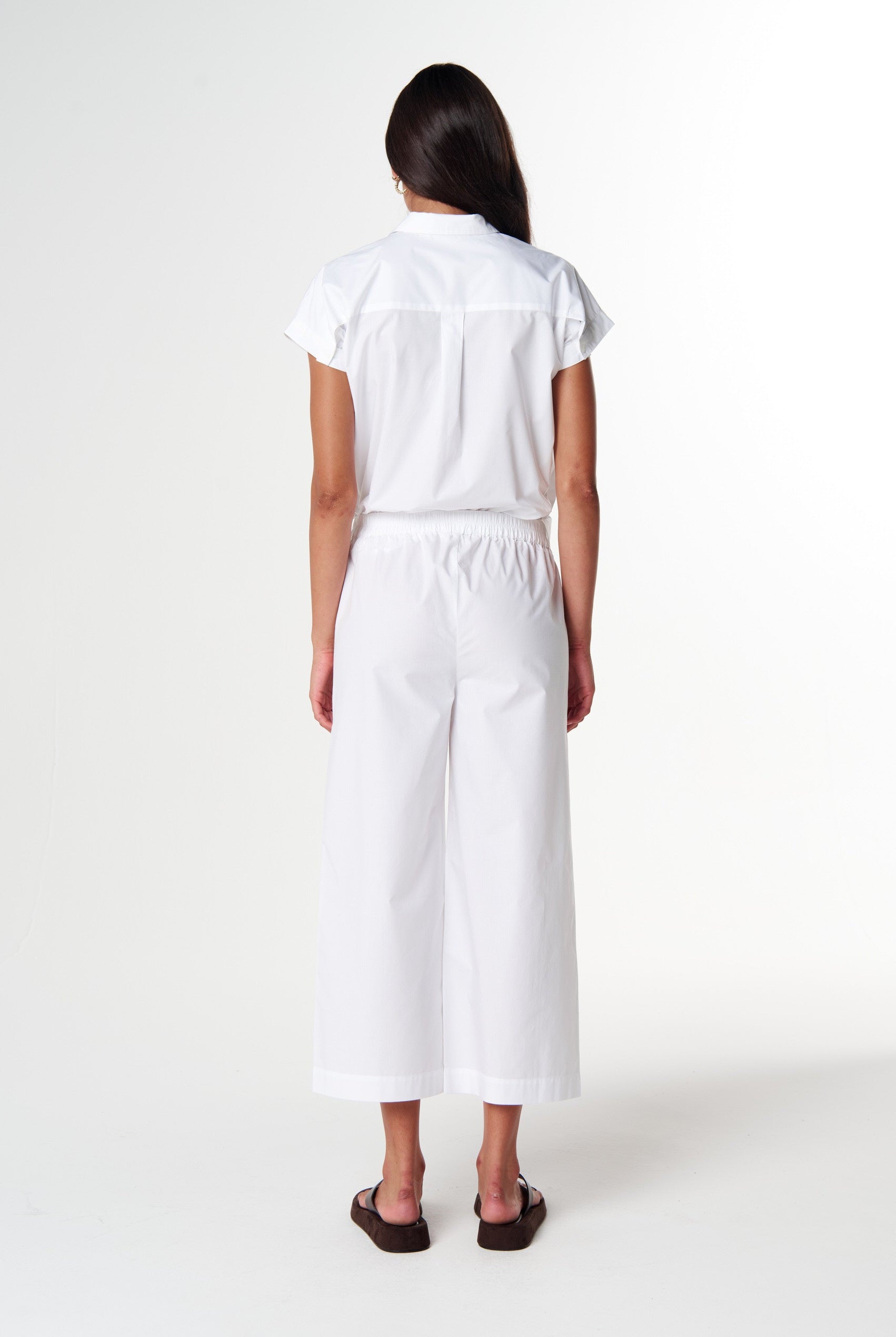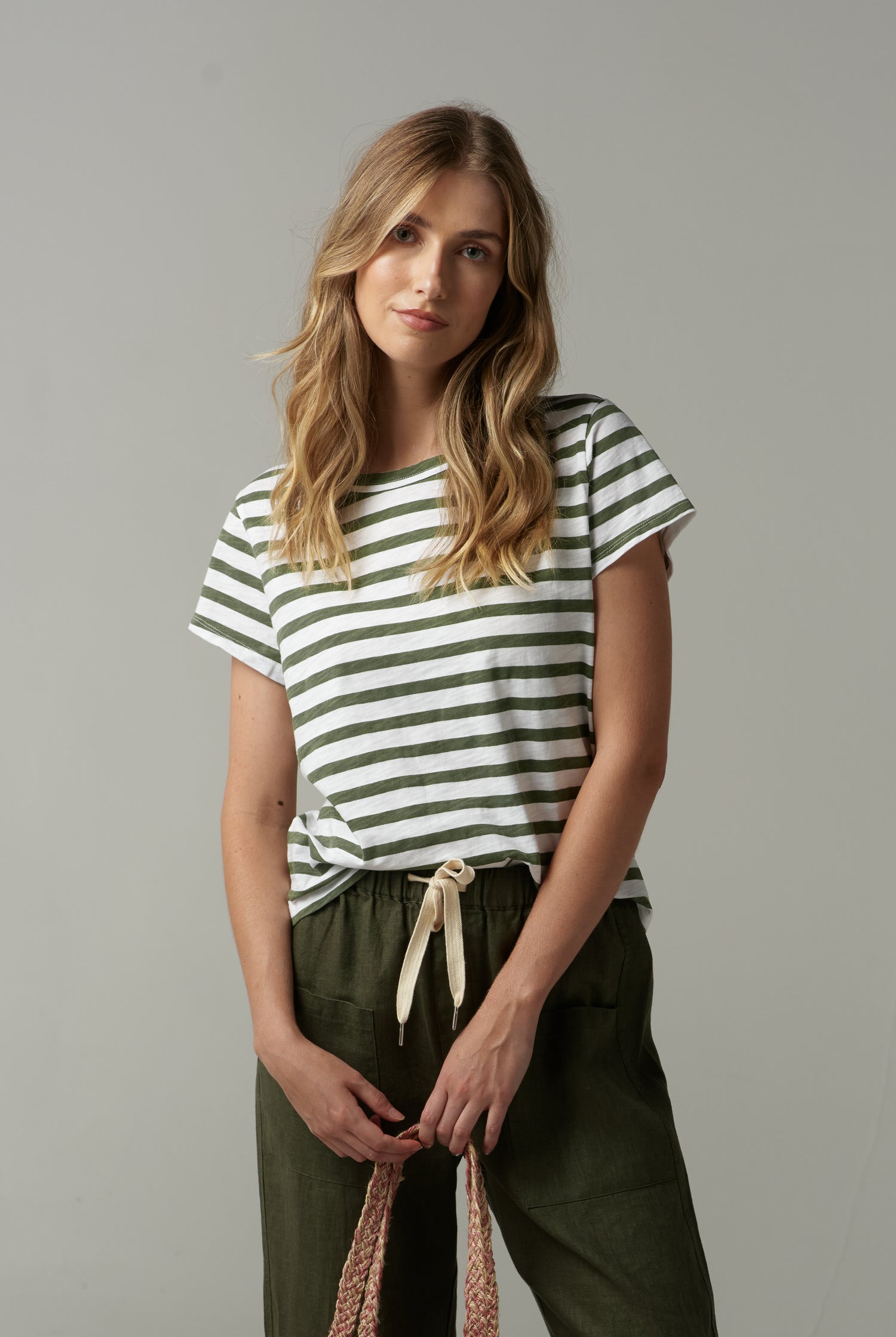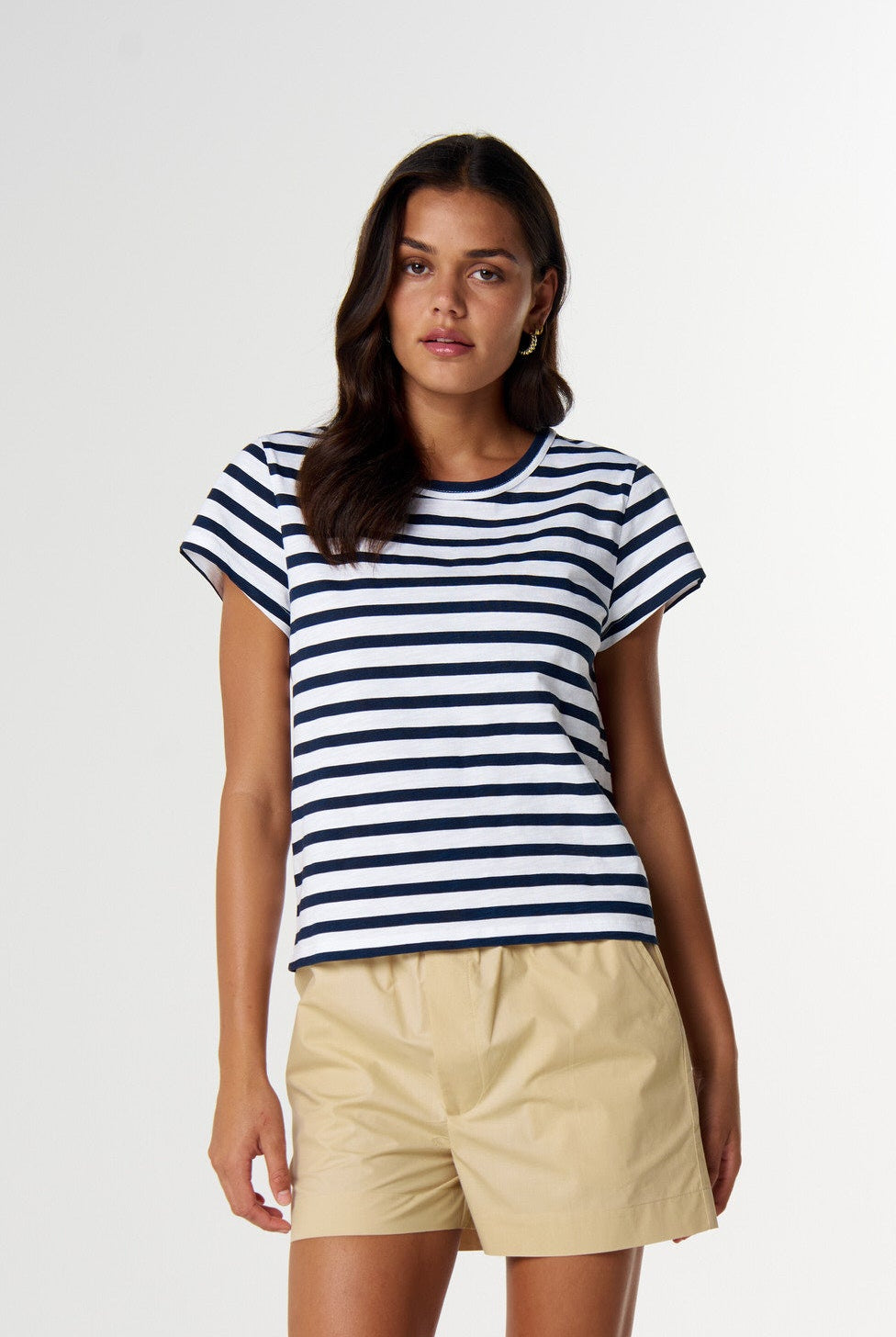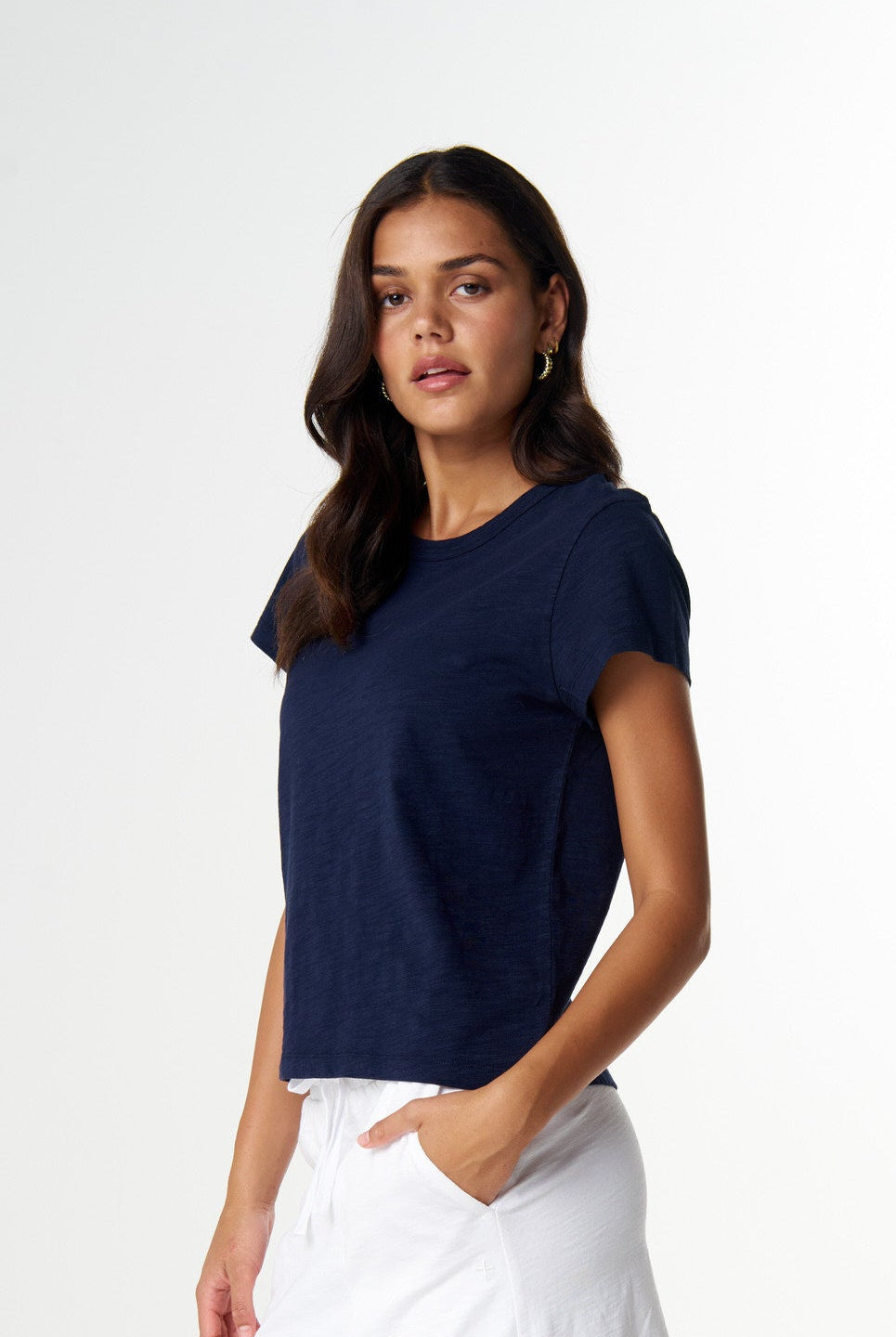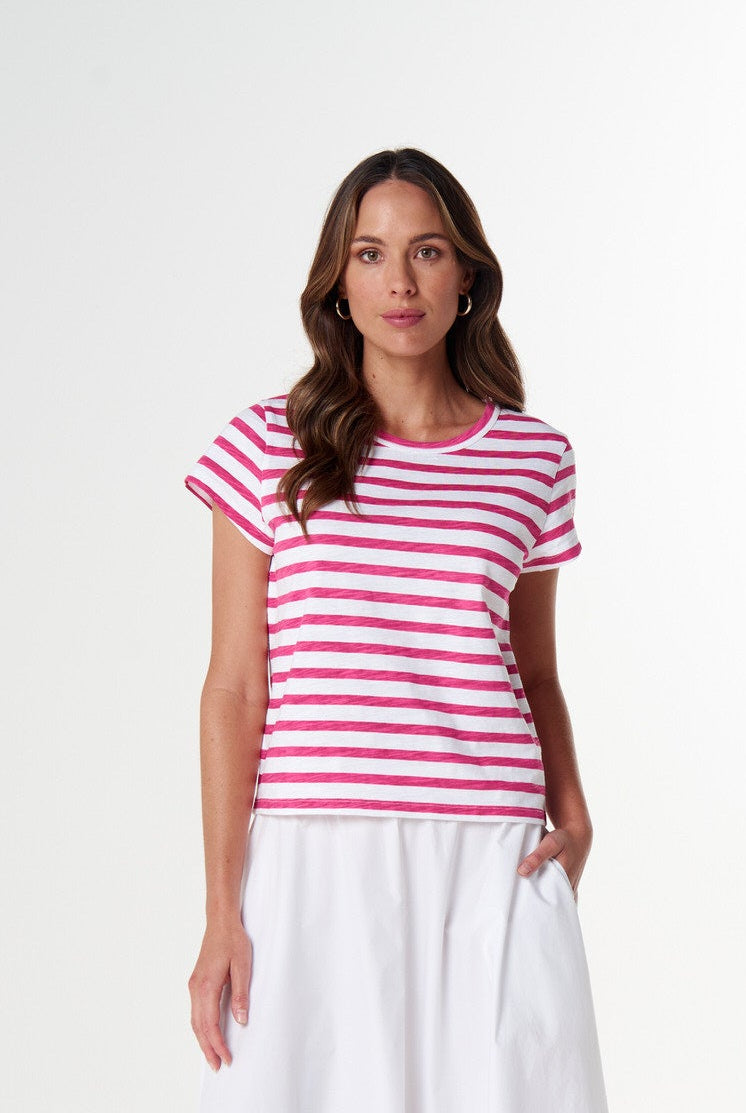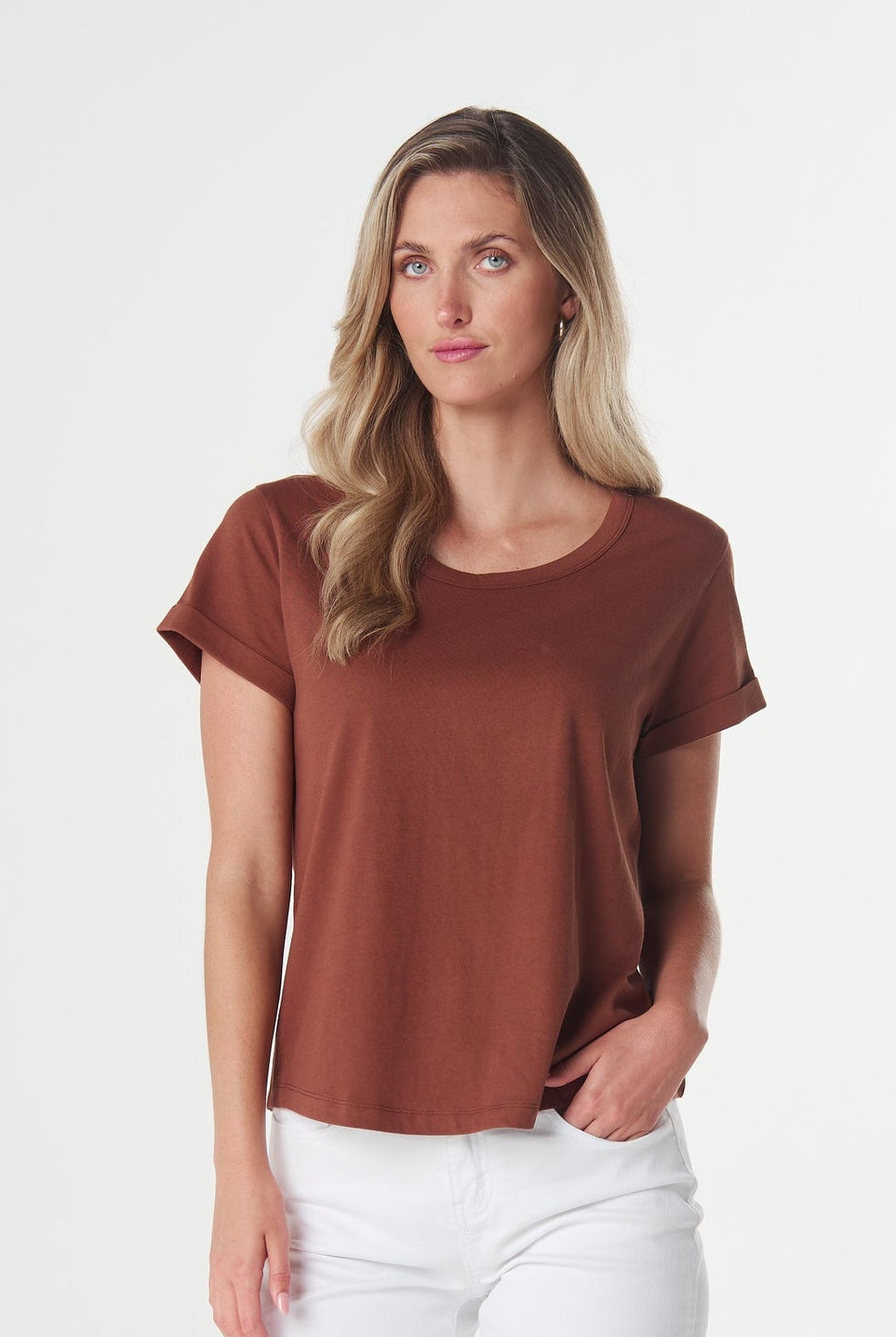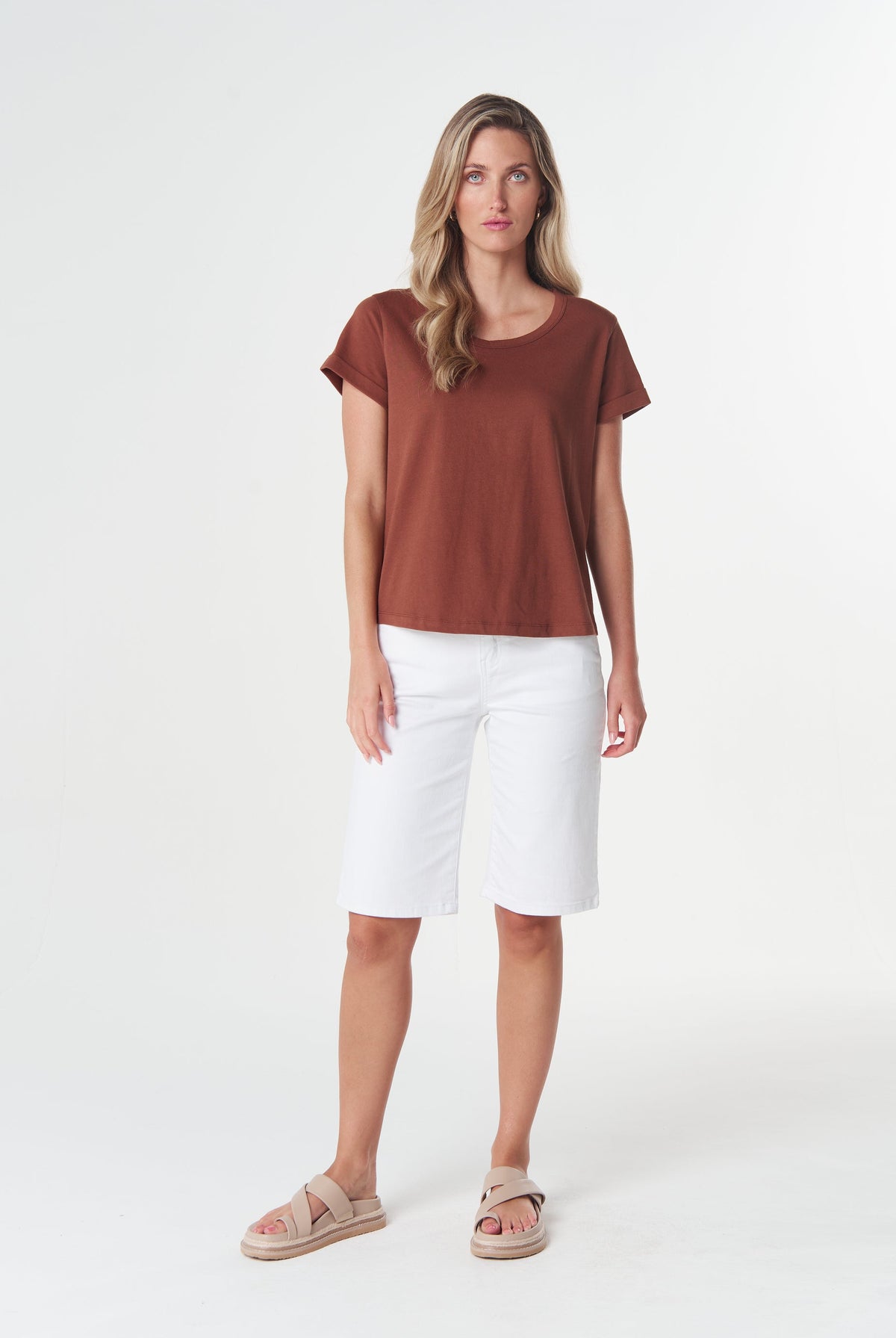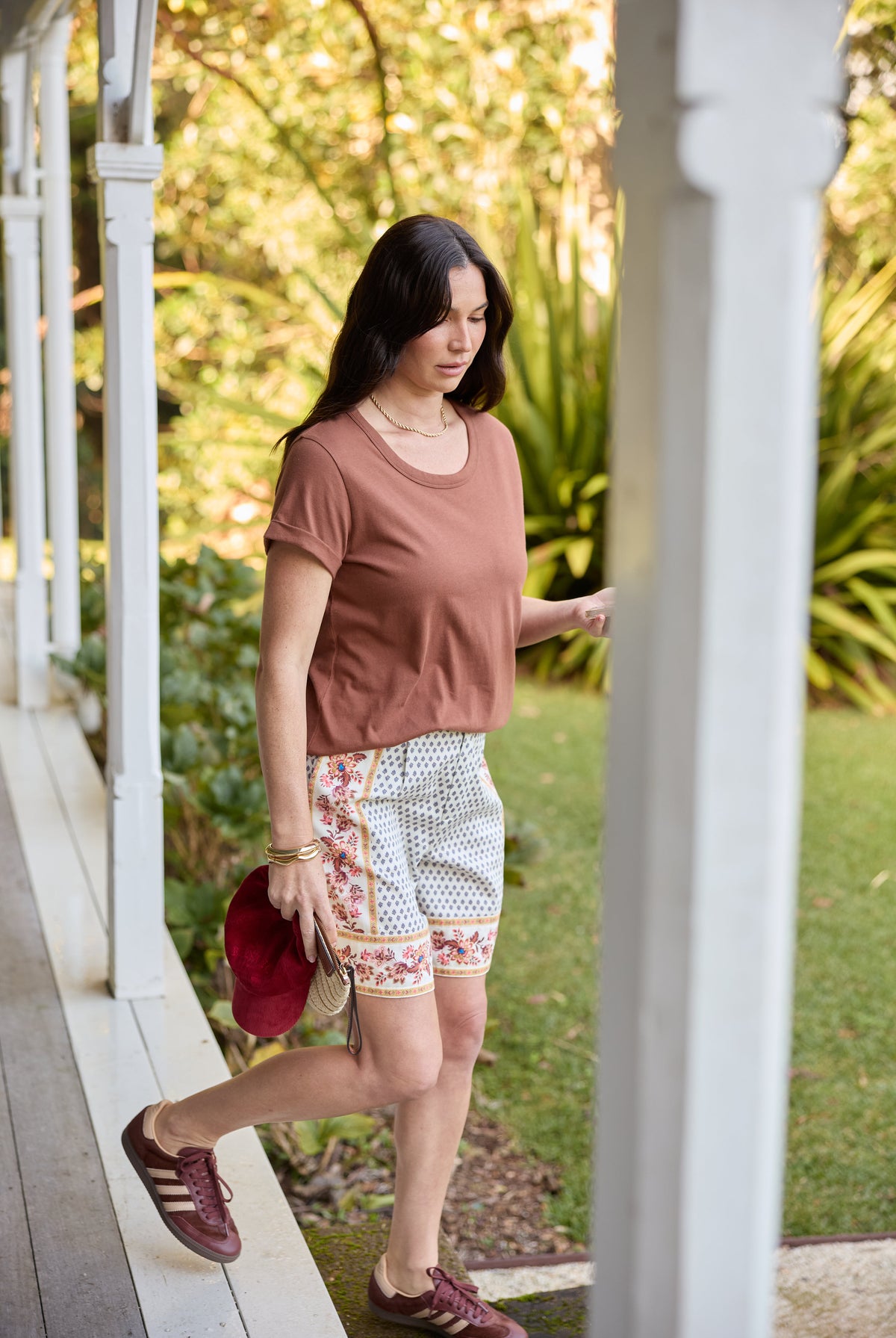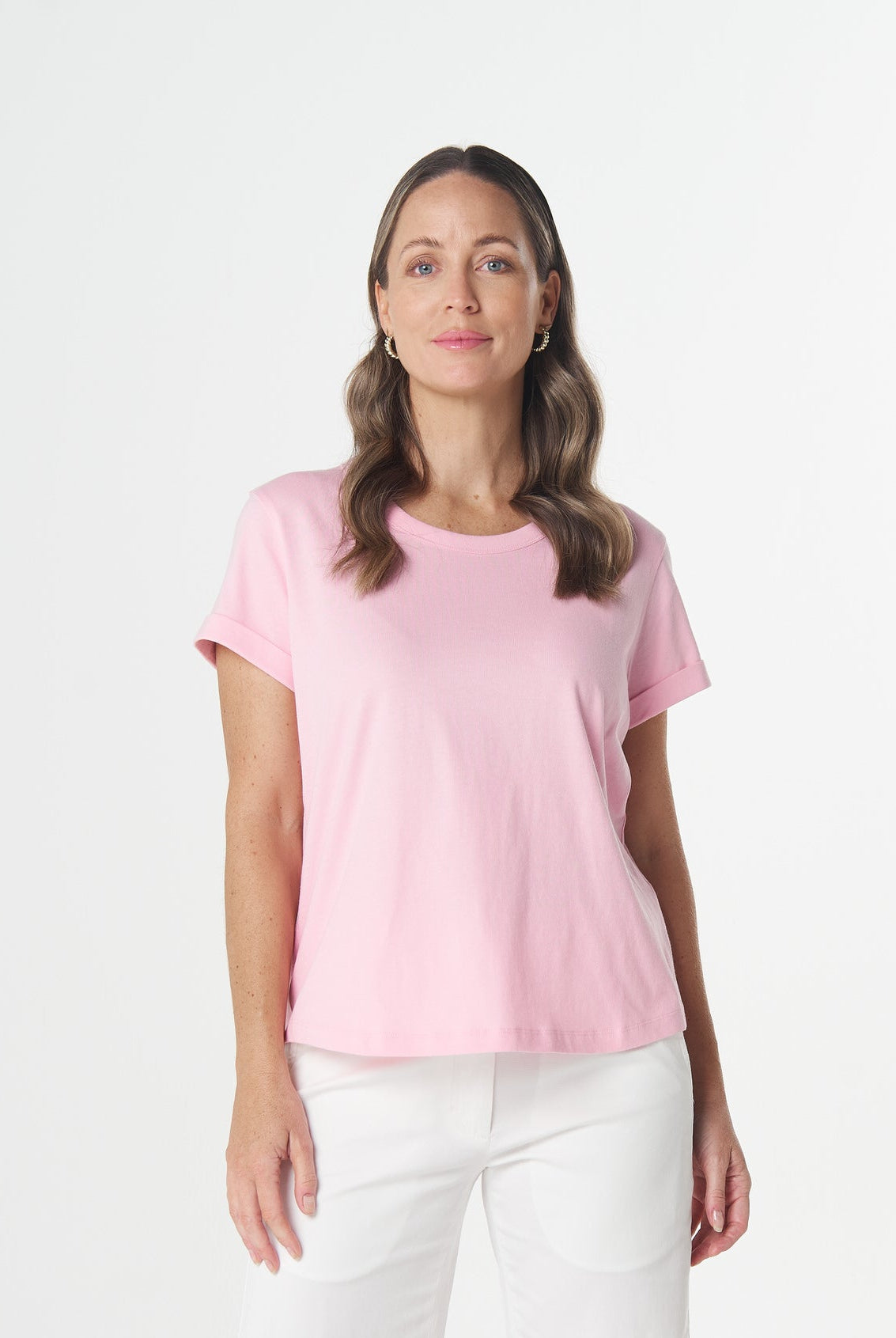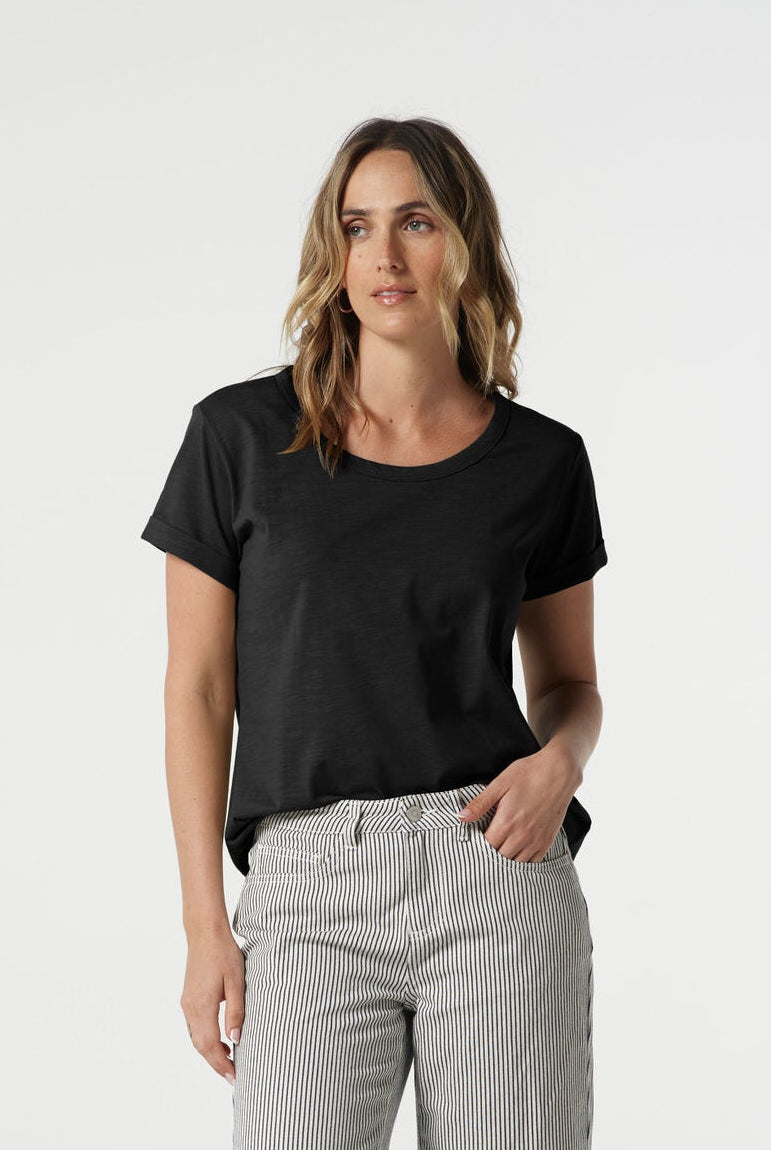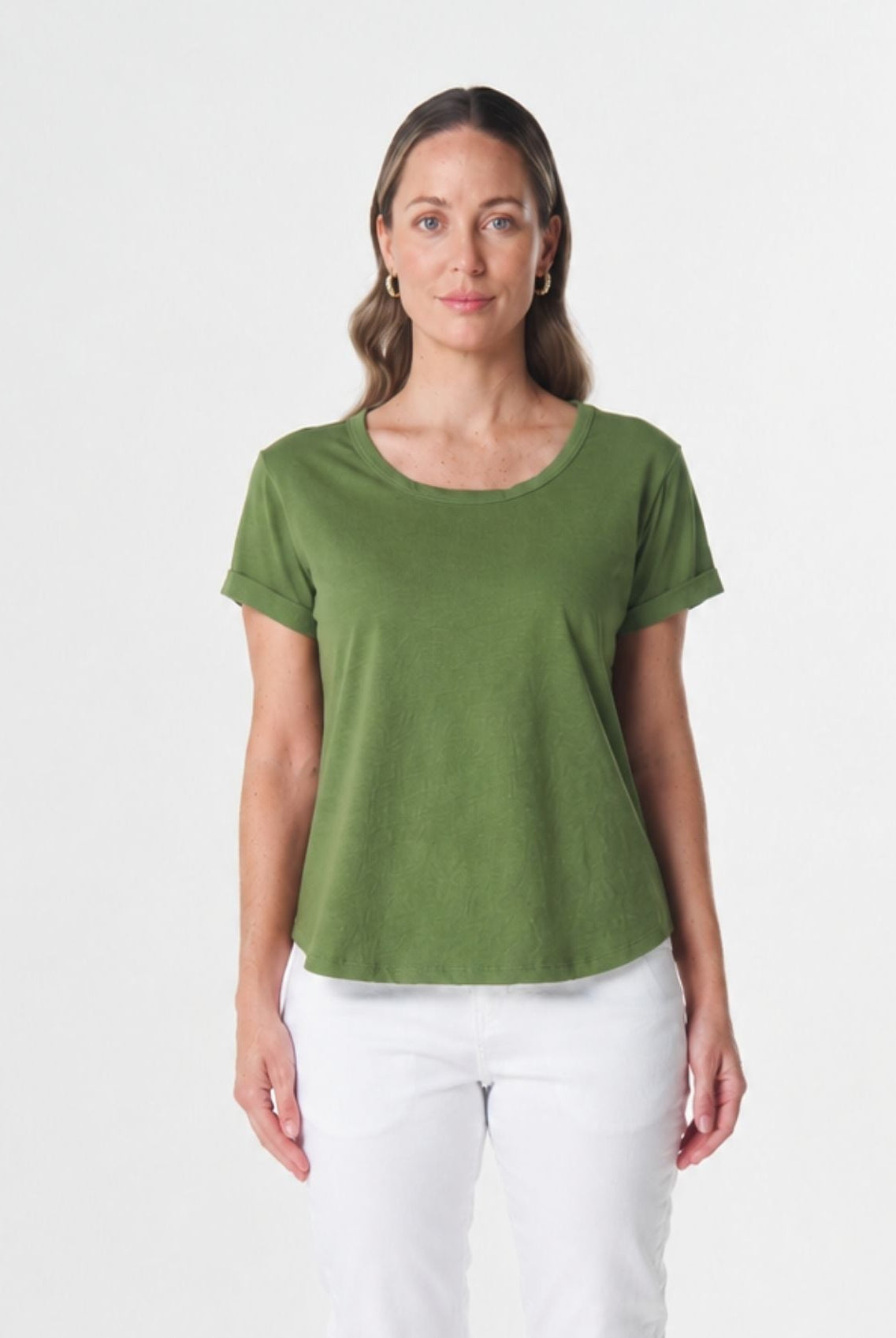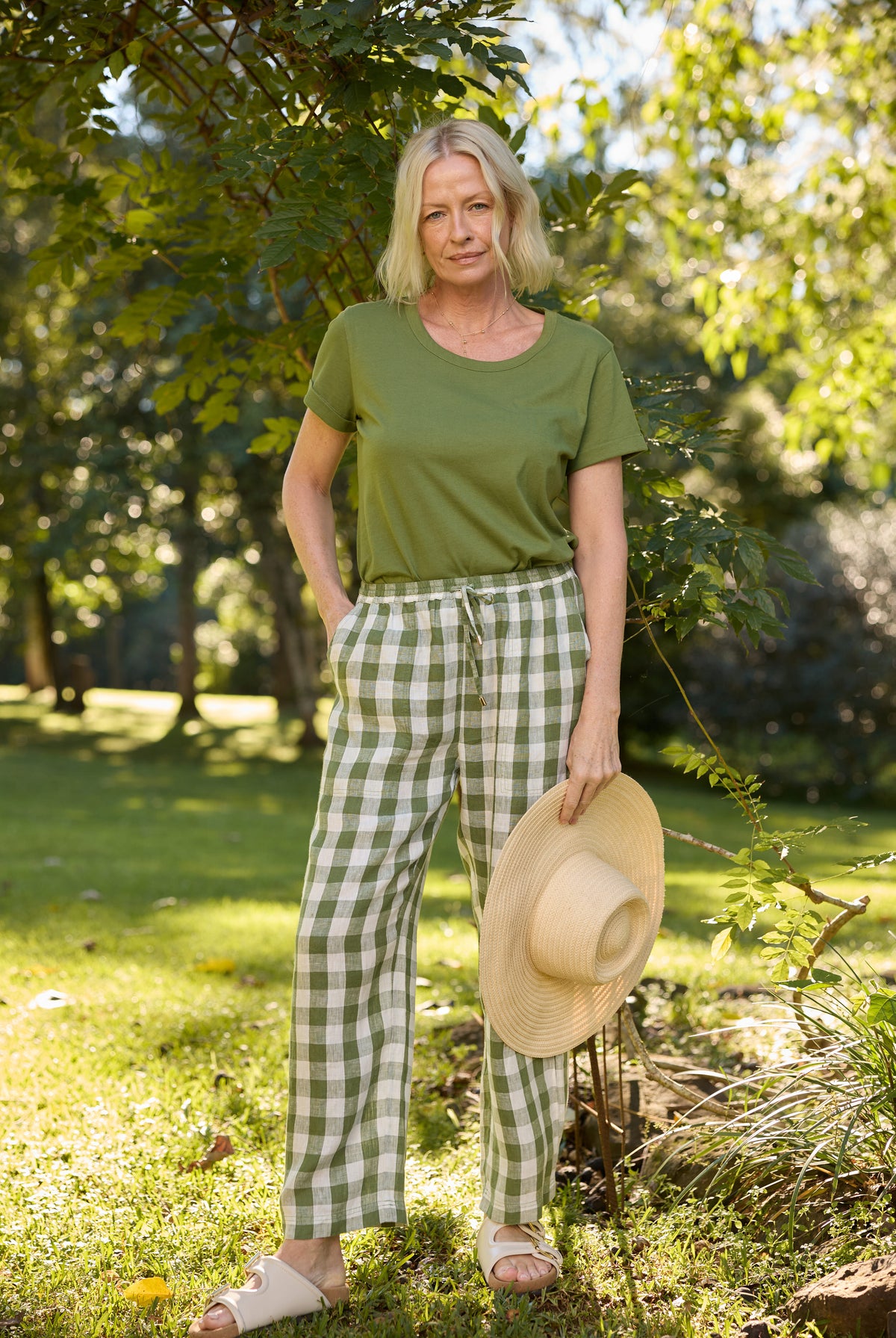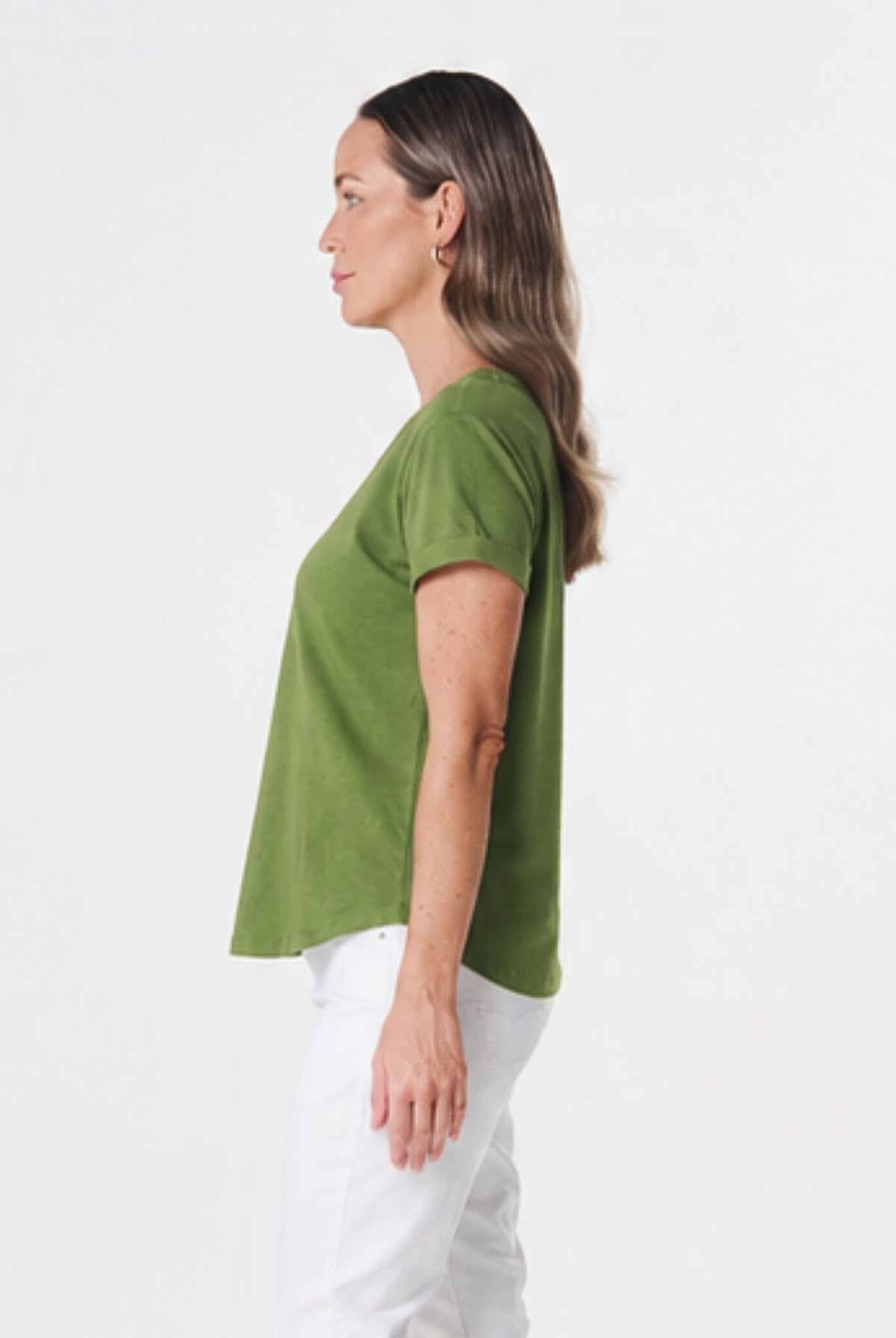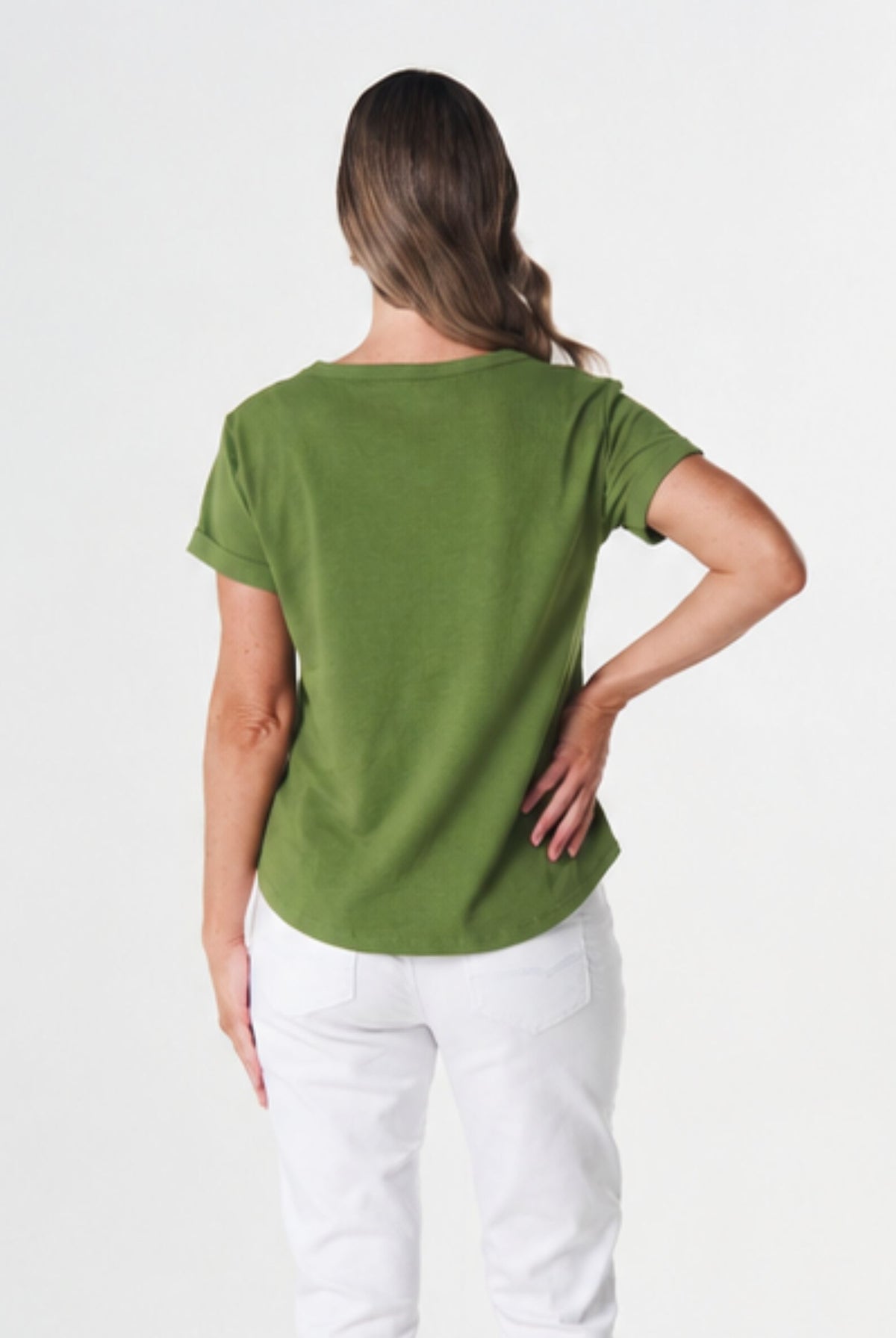


Today, October 7 2026, is World Cotton Day. And when cotton is quite literally in your name, it’s a day worth celebrating.
Cotton has been part of everyday life for thousands of years. It’s been grown, spun, woven and worn across generations and is still one of the world’s most important natural fibres.
Here in Australia, the story goes right back to 1788, when cottonseed was brought from England with the First Fleet. Interestingly, very little of that first seed actually germinated.
Australia’s modern cotton industry came much later, really beginning to take shape in the 1960s, particularly across Queensland and New South Wales. When you think about it, that really isn’t very long ago.
For our family, cotton became part of the story in 1977, when the Coulton family planted their first cotton crop. The family had already been farming since 1924, but the move into cotton would go on to shape the farm, and eventually Goondiwindi Cotton itself.
Then in 1989, Sam Coulton took lint cotton from the family farm to Indonesia to have it spun into yarn. It produced 43 tonnes of cotton yarn and planted the seed for something much bigger.
In 1992, the Goondiwindi Cotton brand was born, taking the family’s connection to cotton beyond the farm gate and into Australian wardrobes.
And more than 30 years later, here we are.
Sources: Cotton Australia, Australian Cotton Sustainability, ABC Landline, Humans of Agriculture and Goondiwindi Cotton.

More Than A Fibre
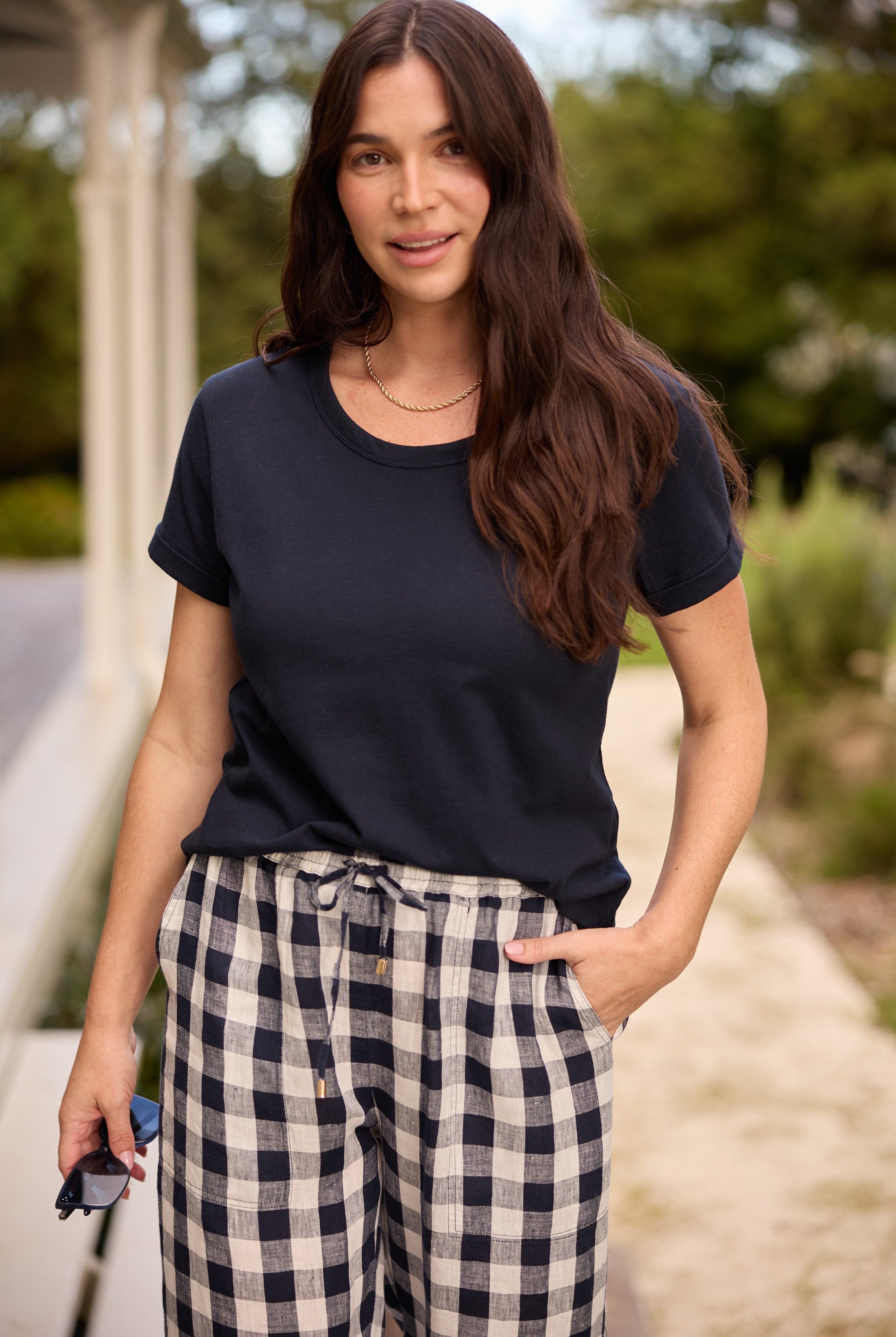
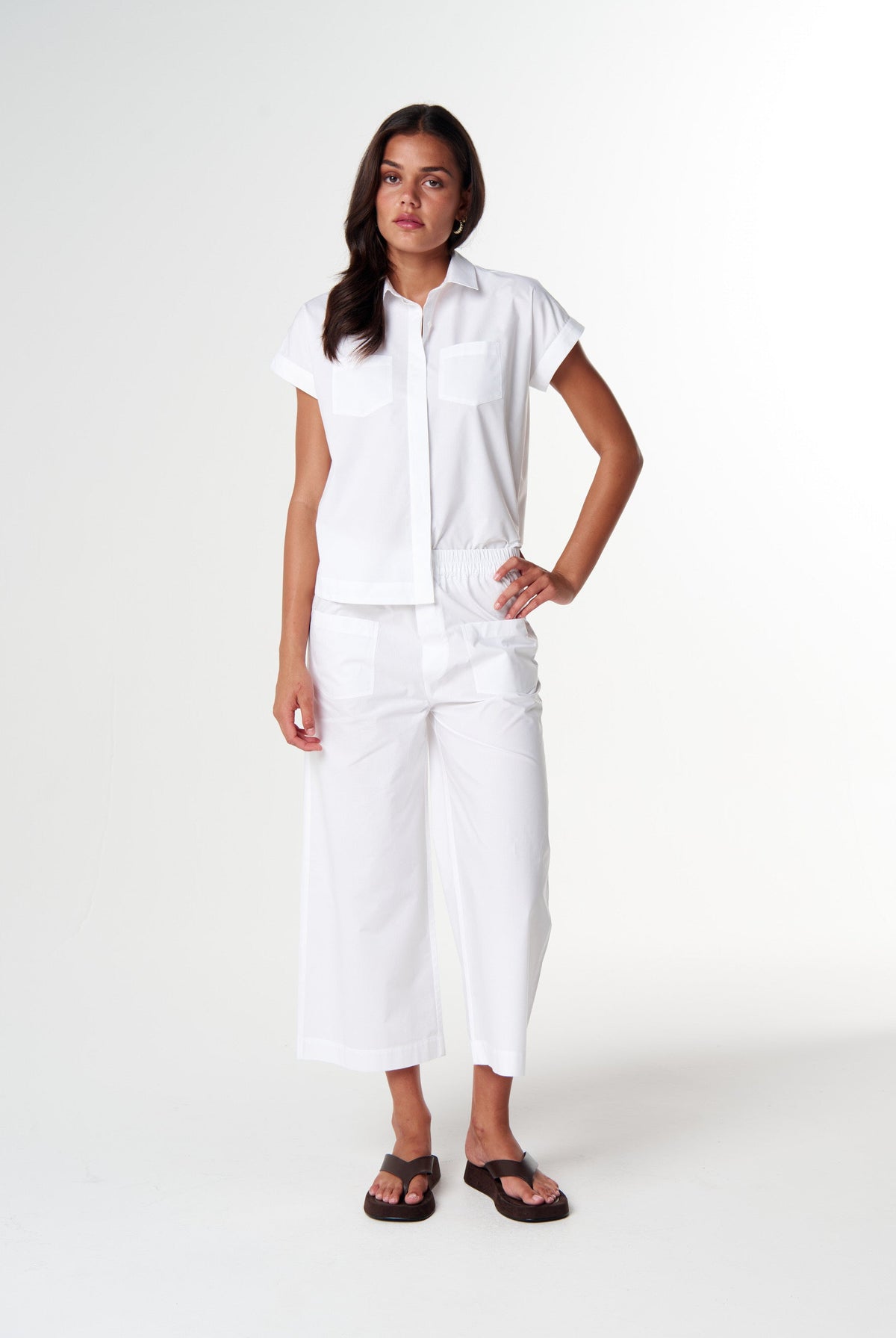
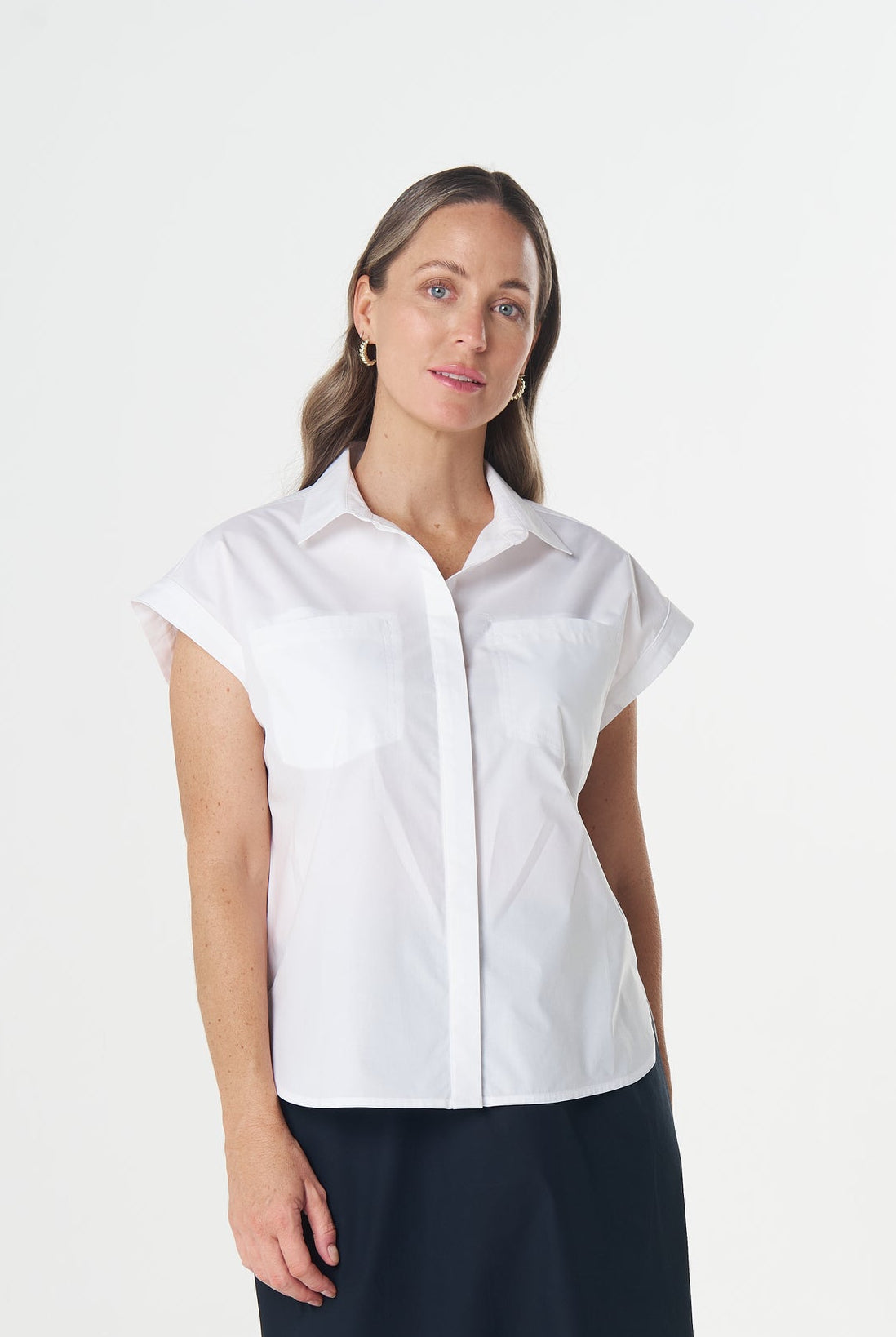
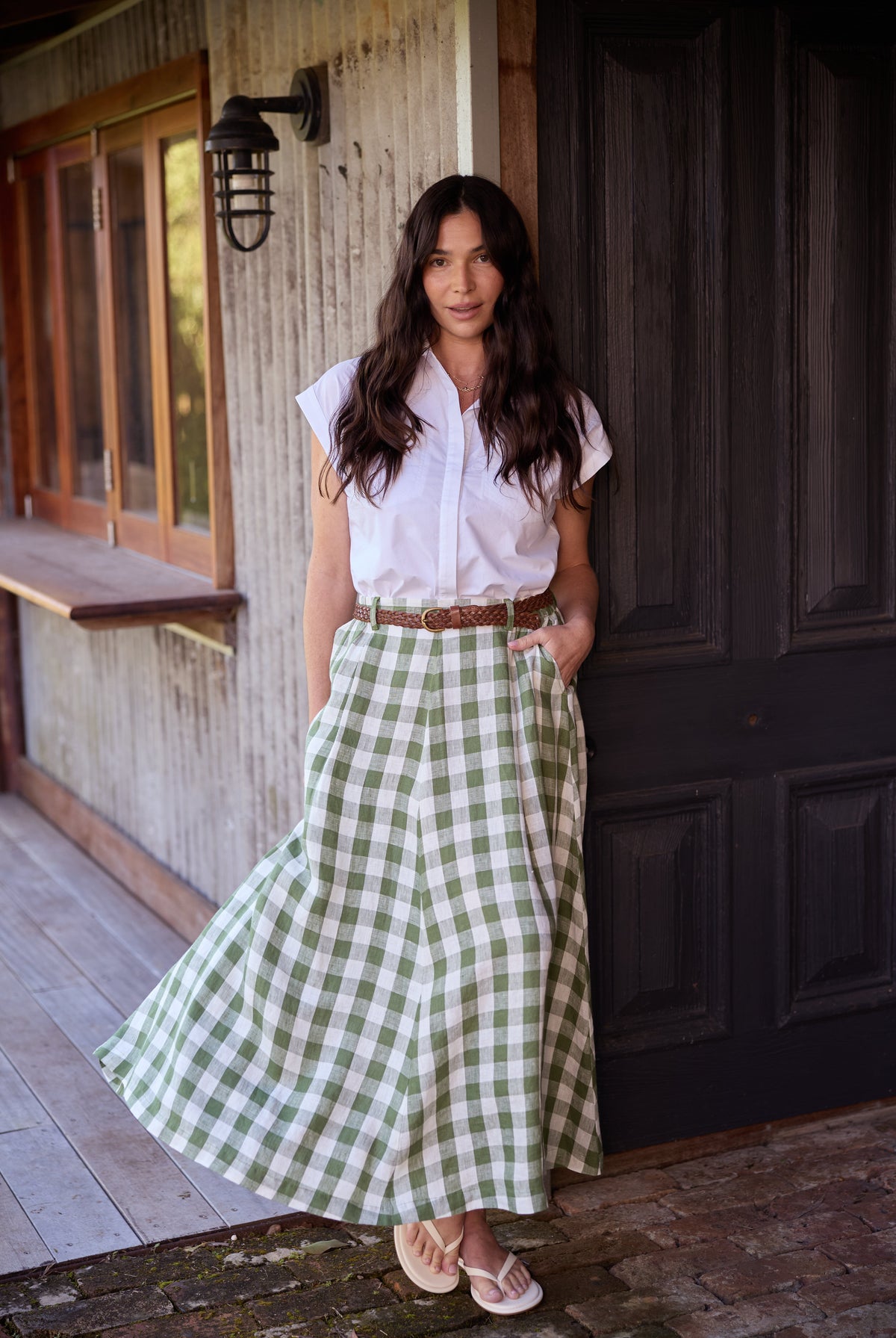
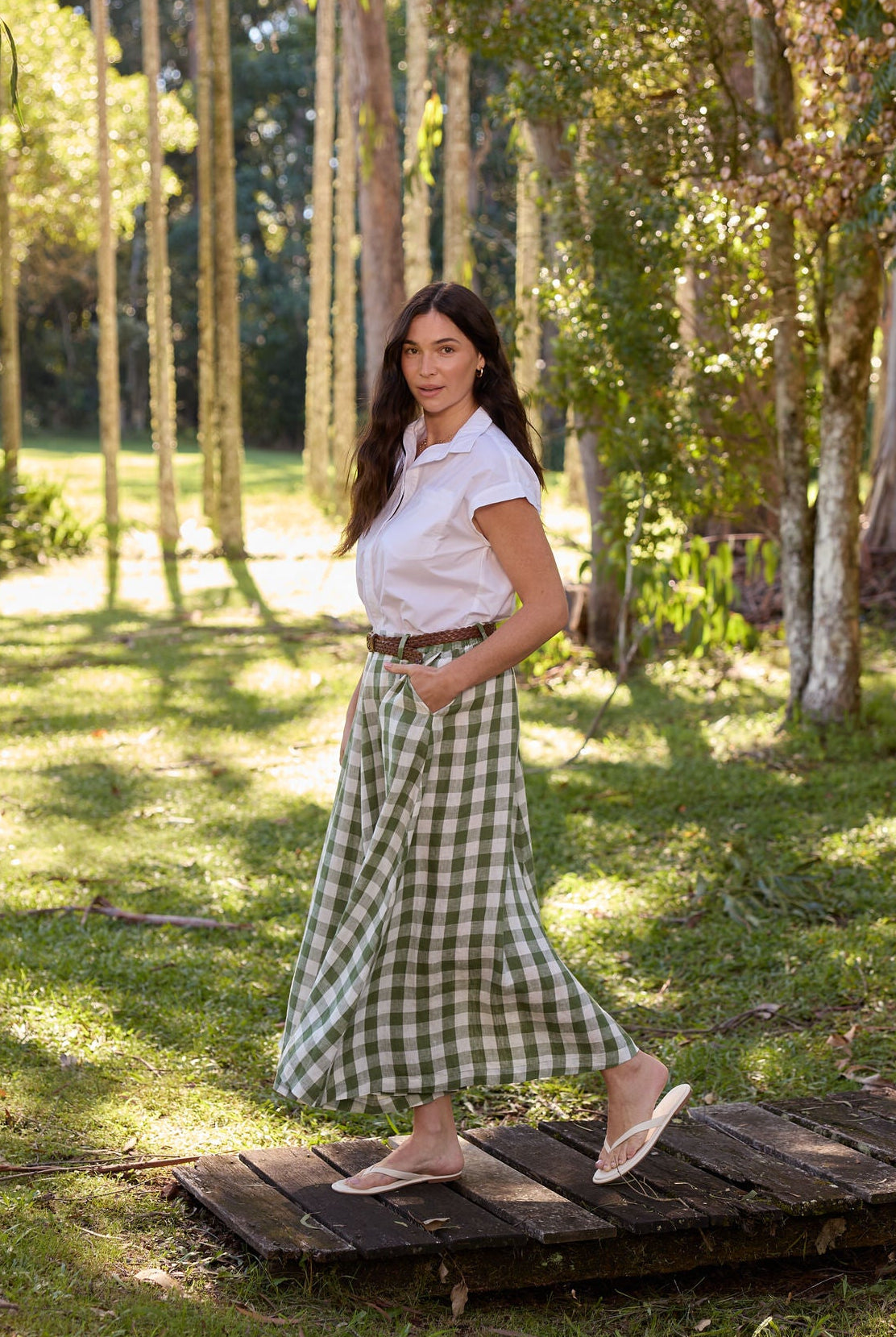
We know cotton best for what we wear.
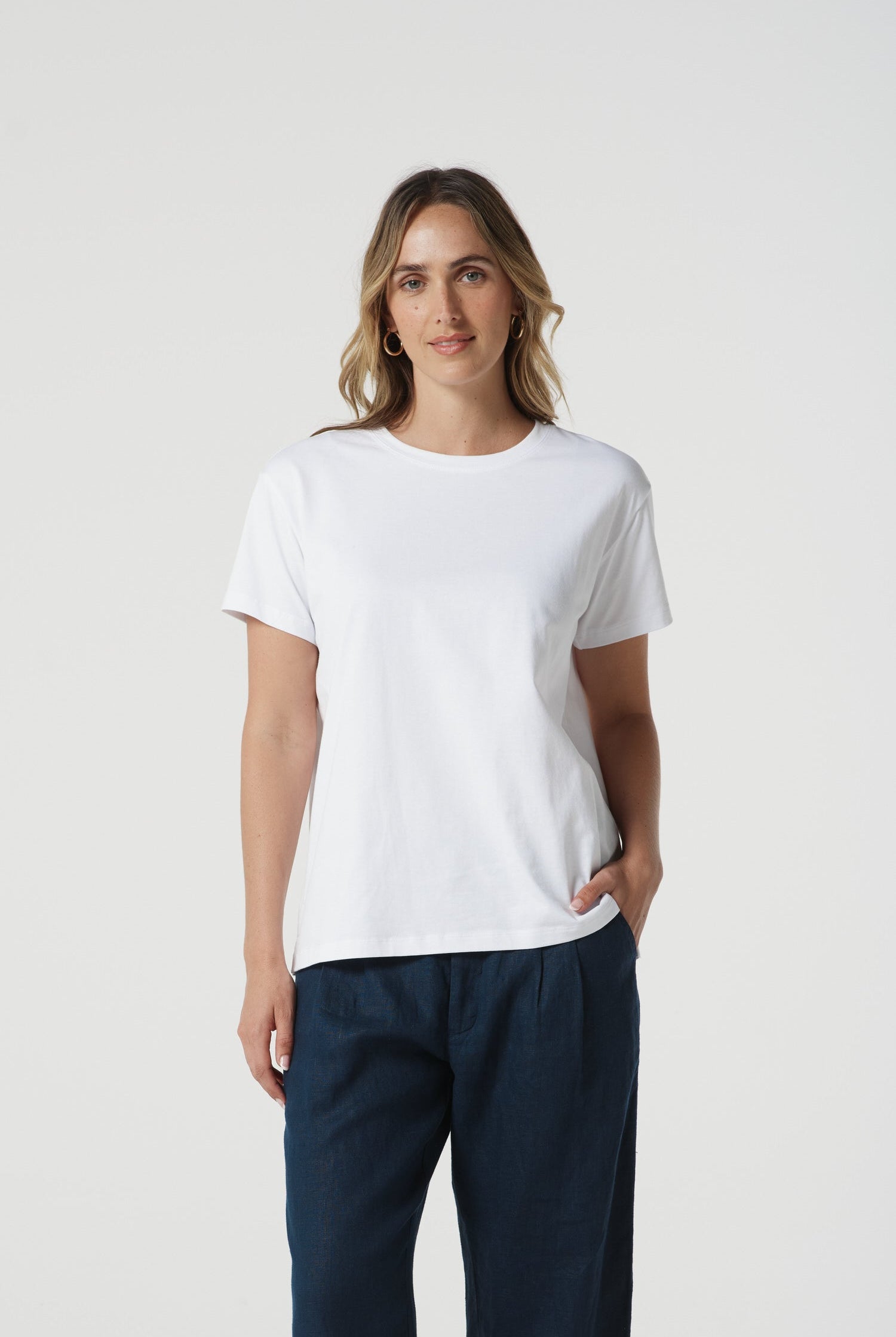
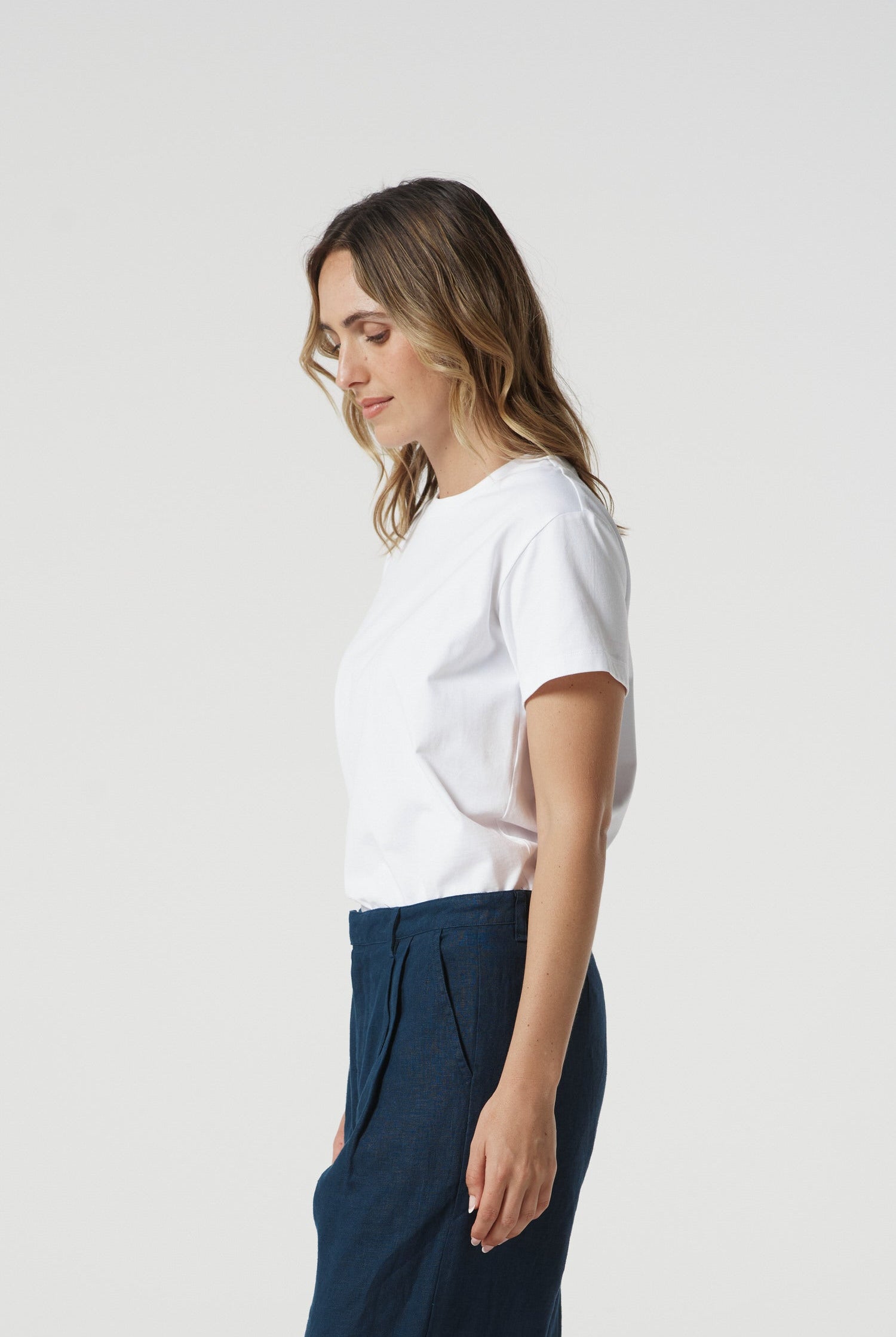
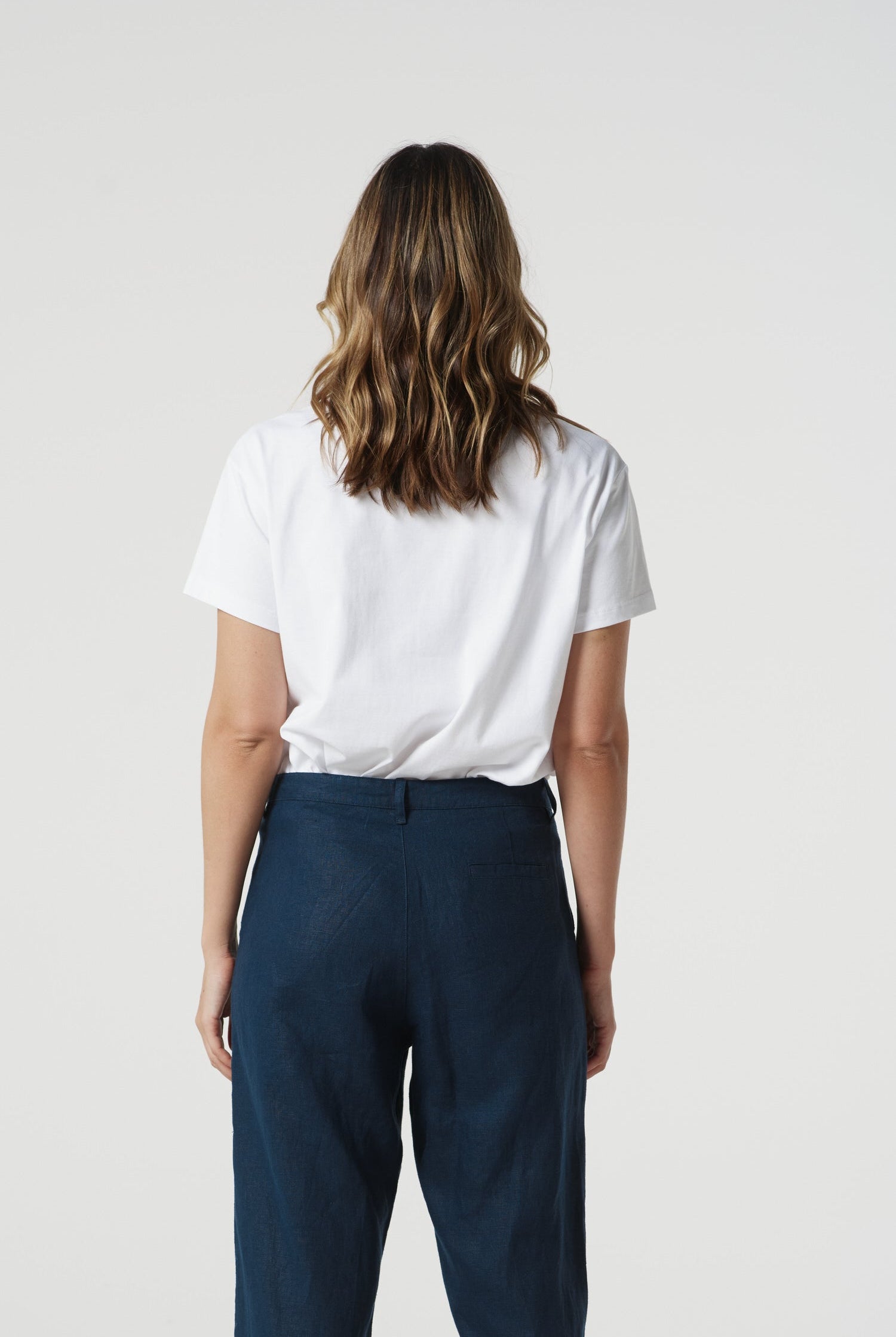
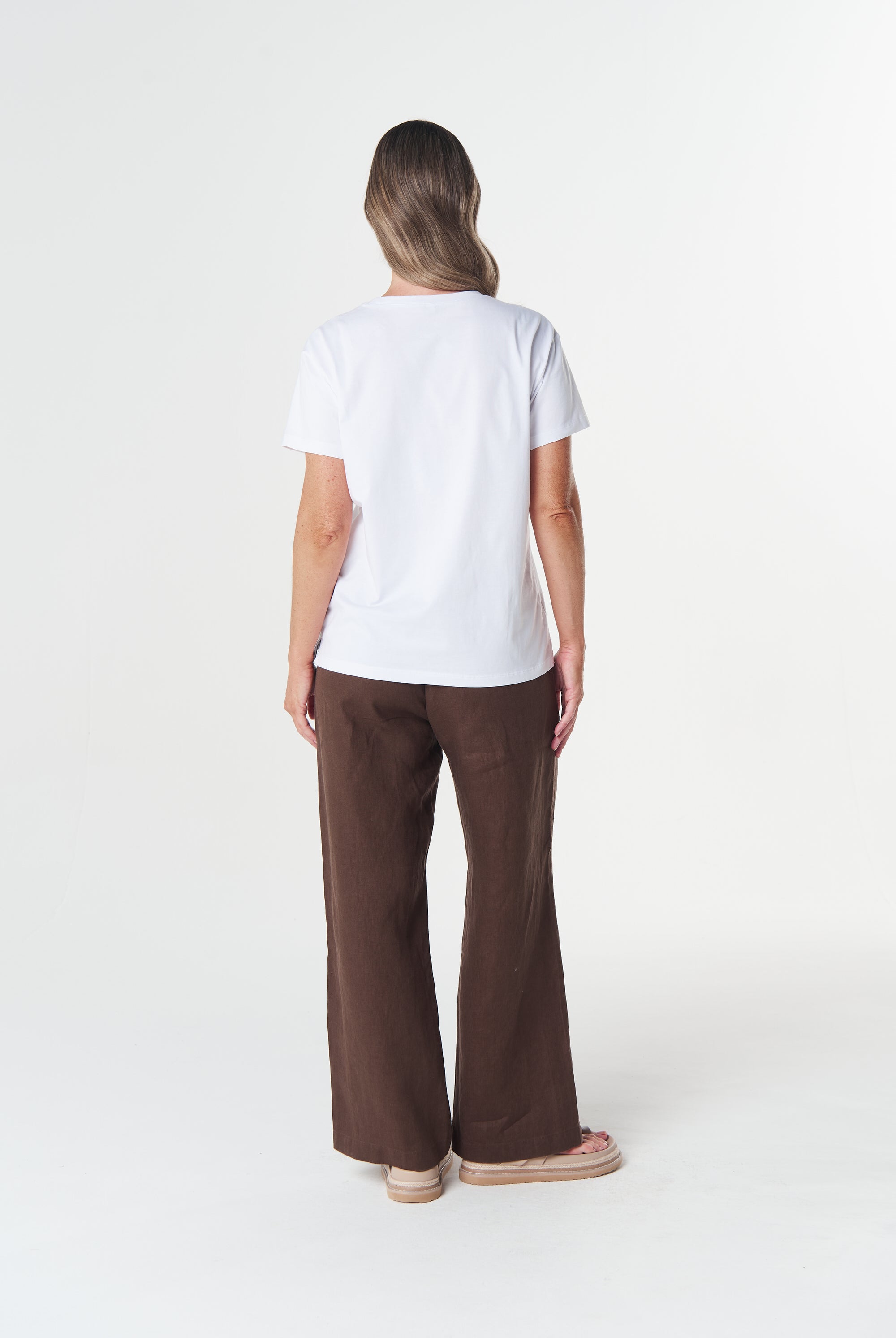
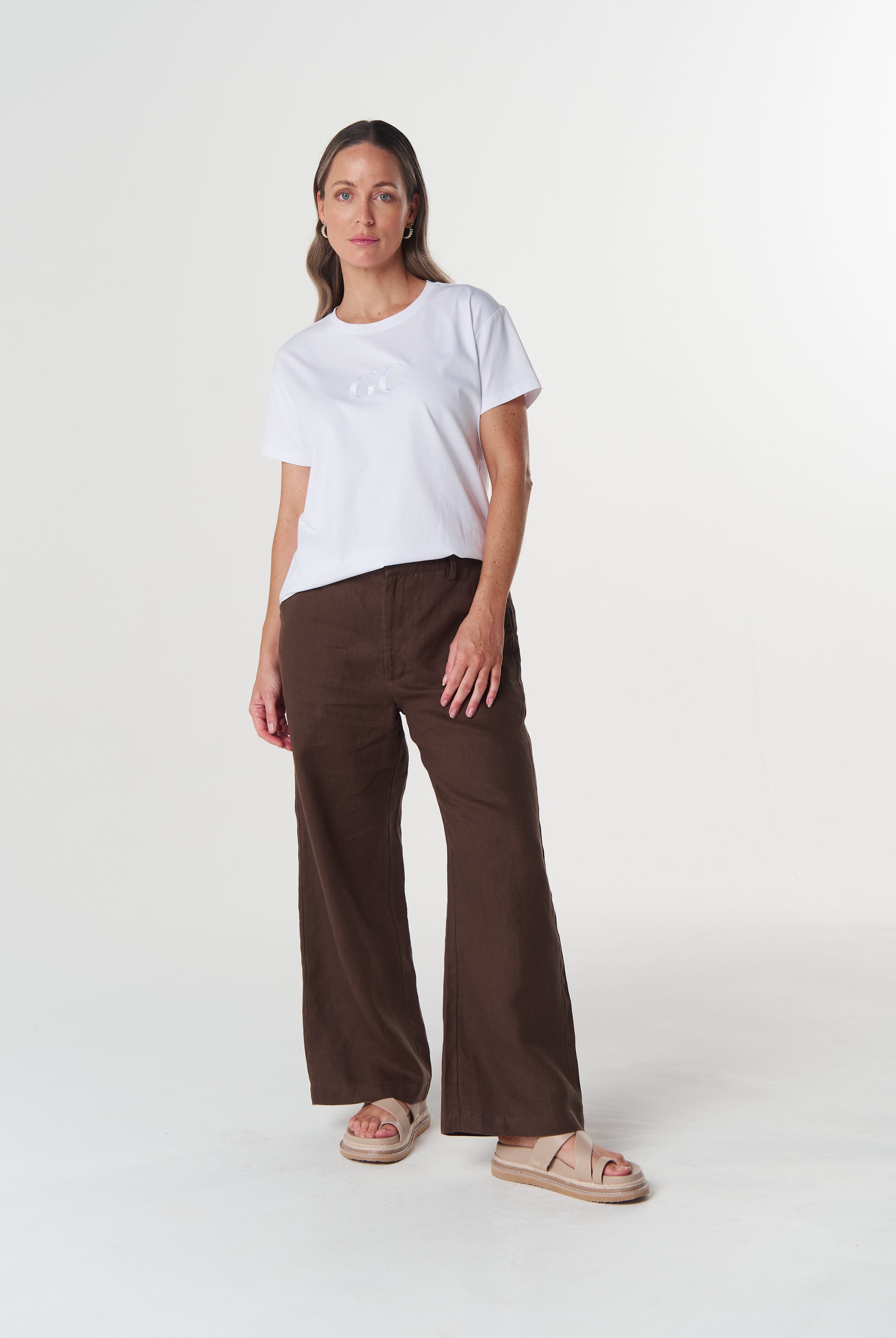
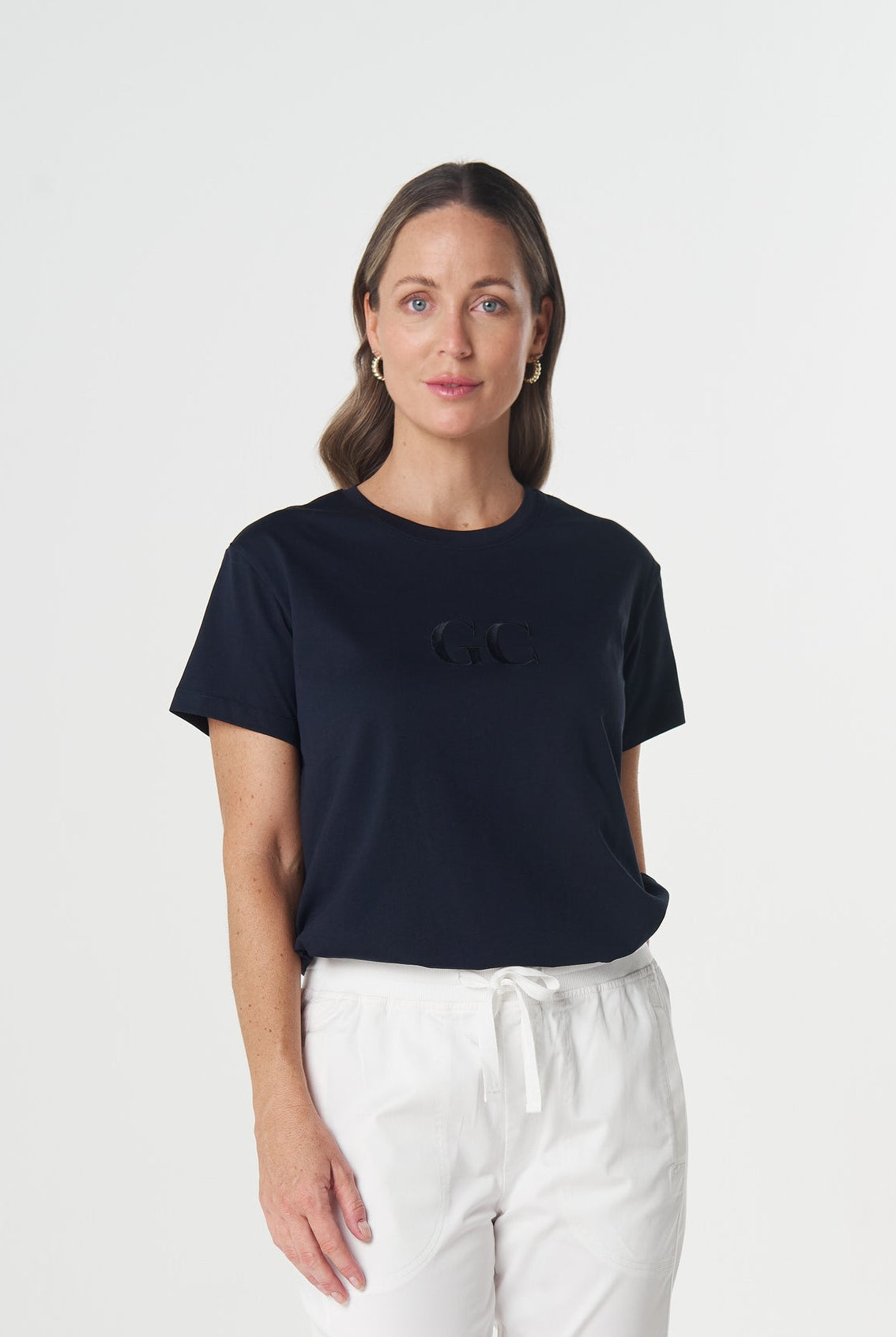
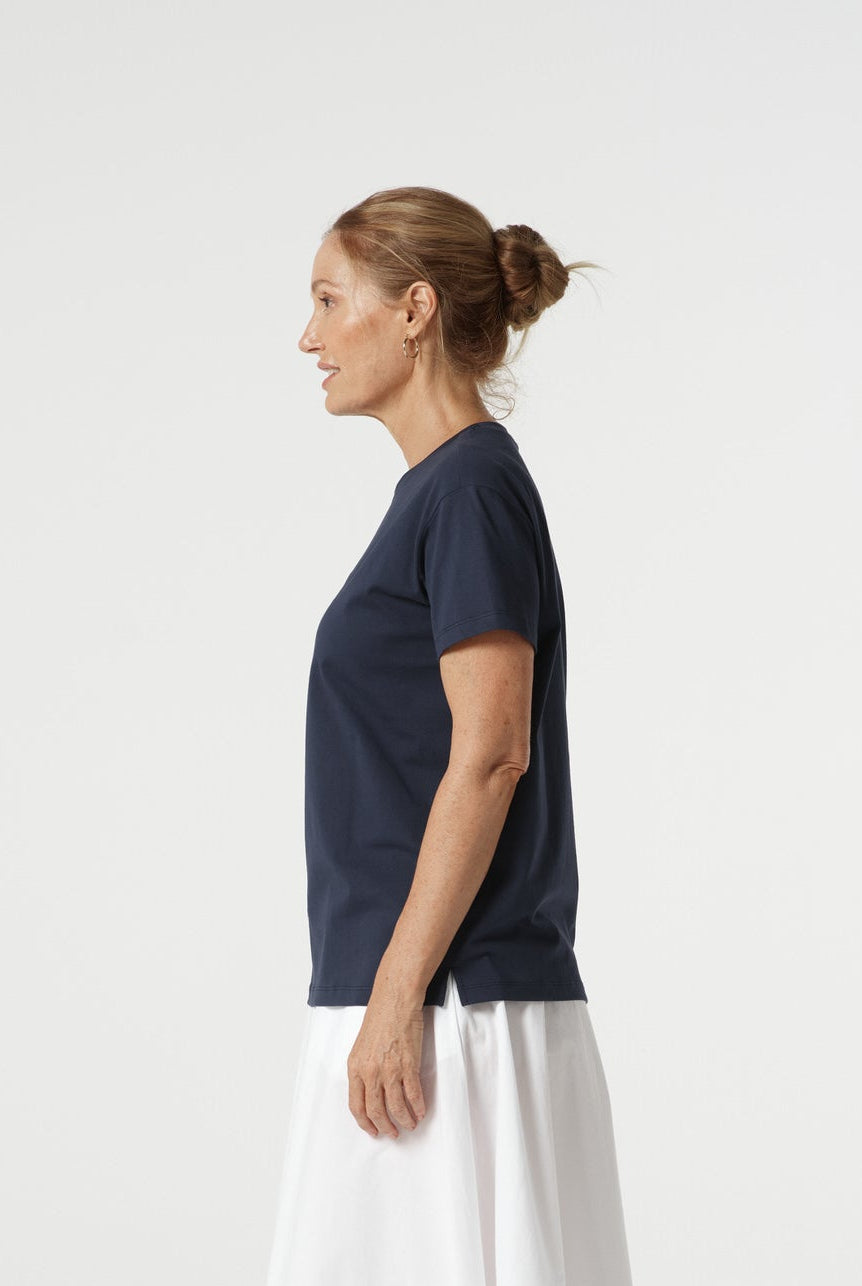
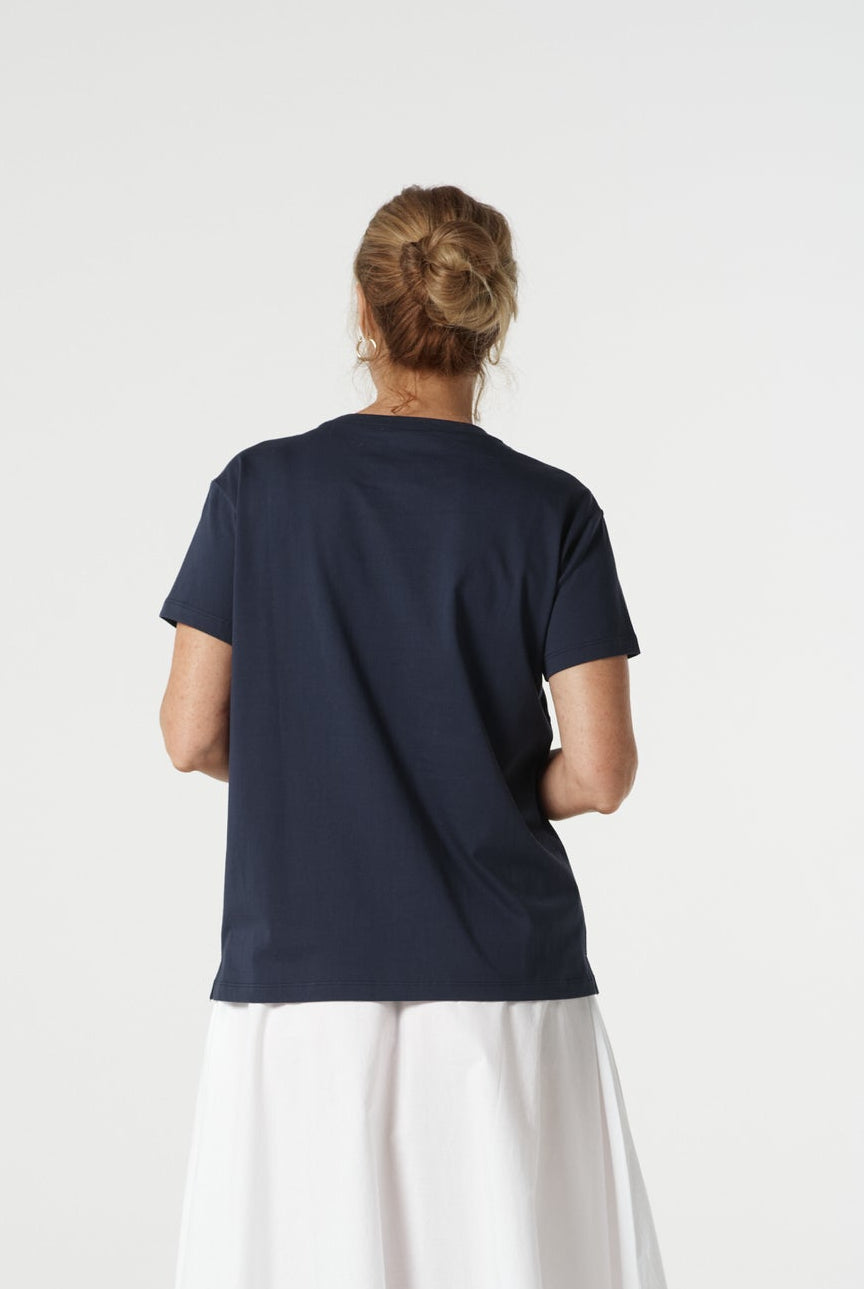
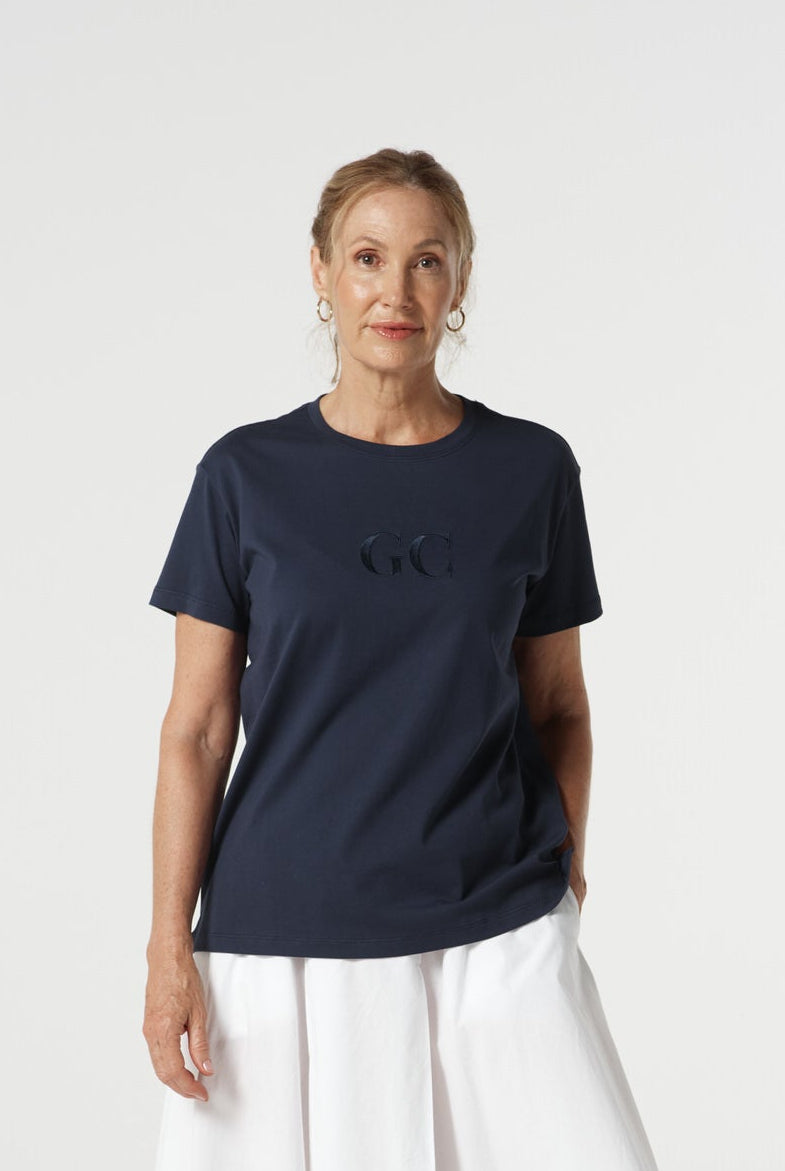
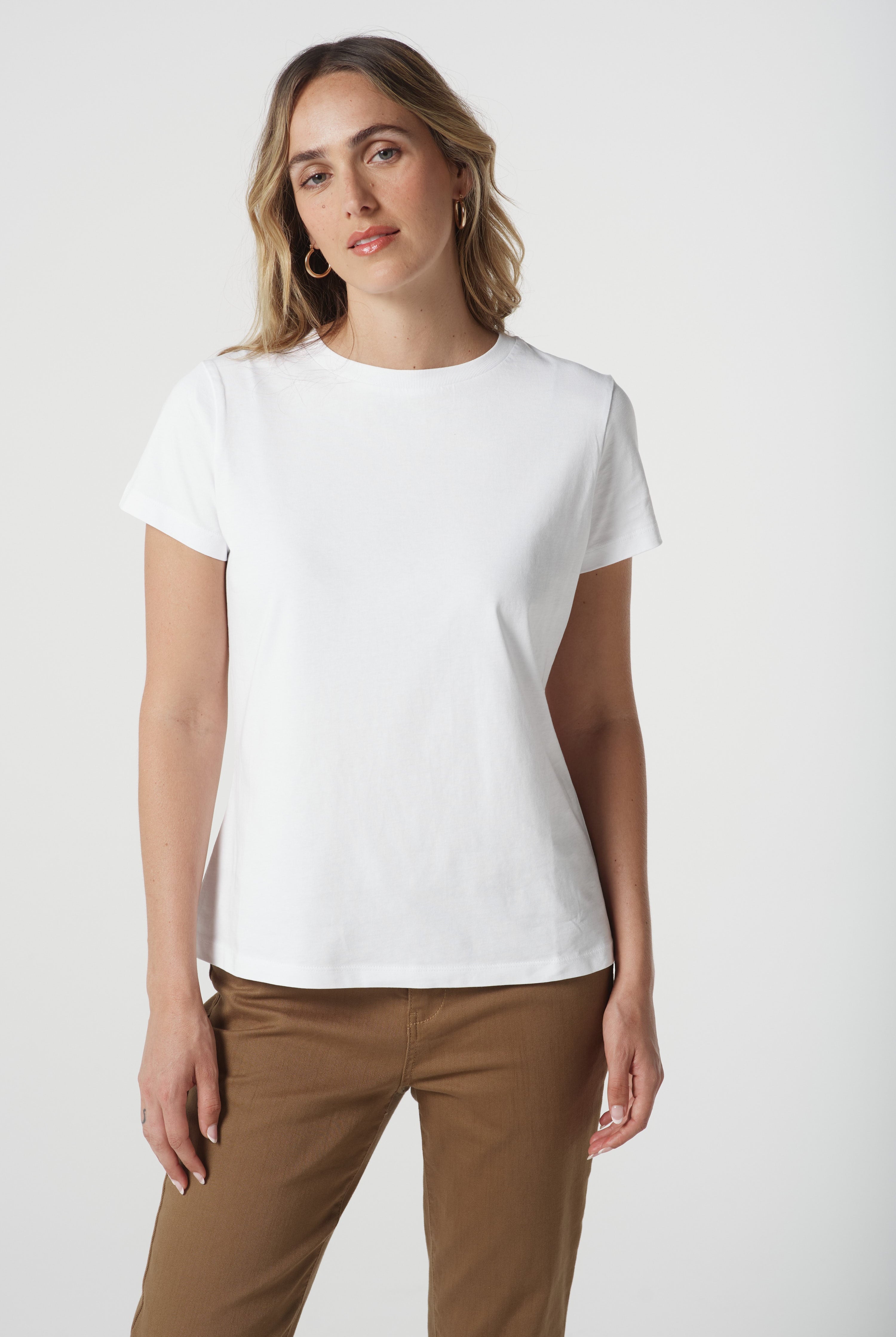
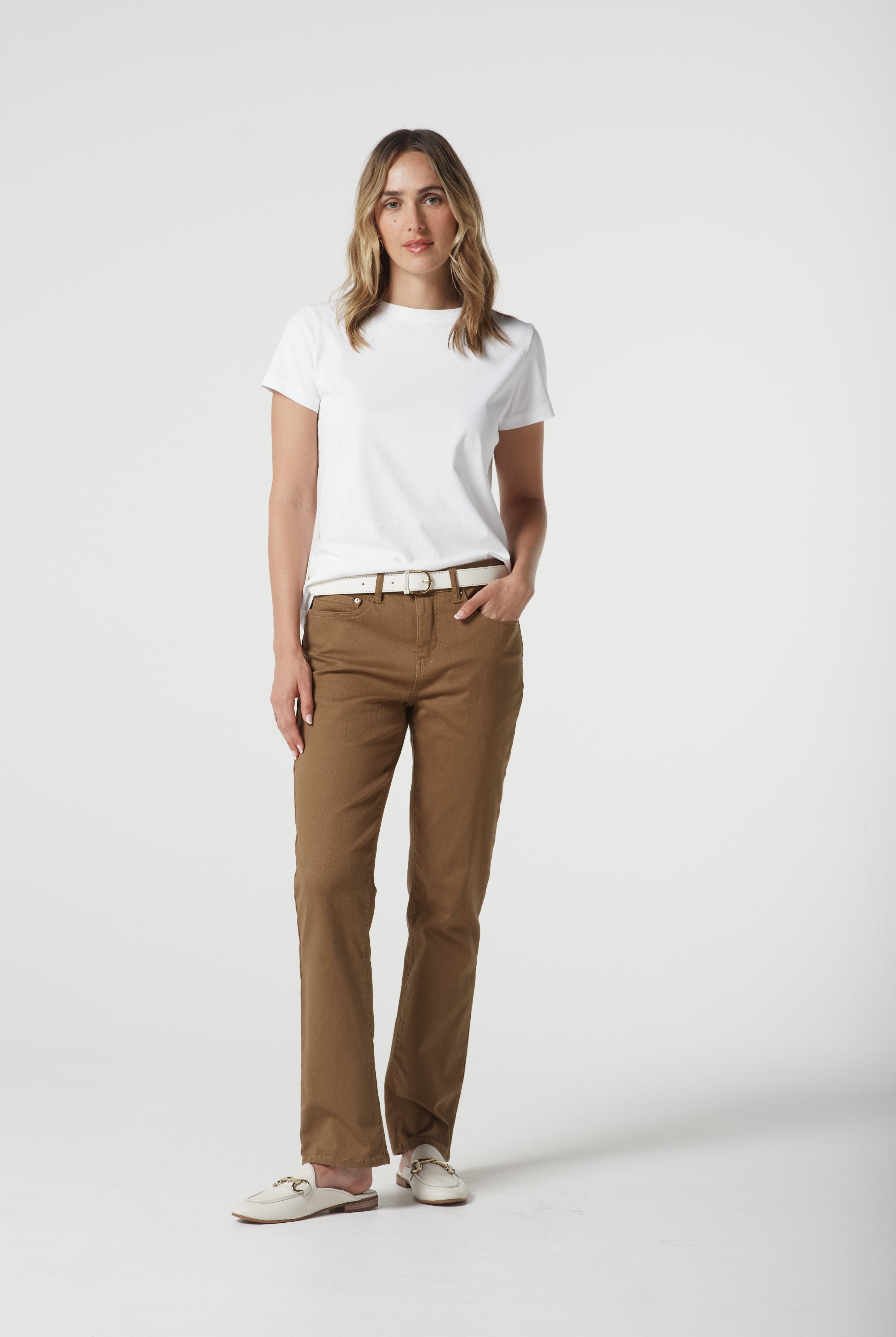
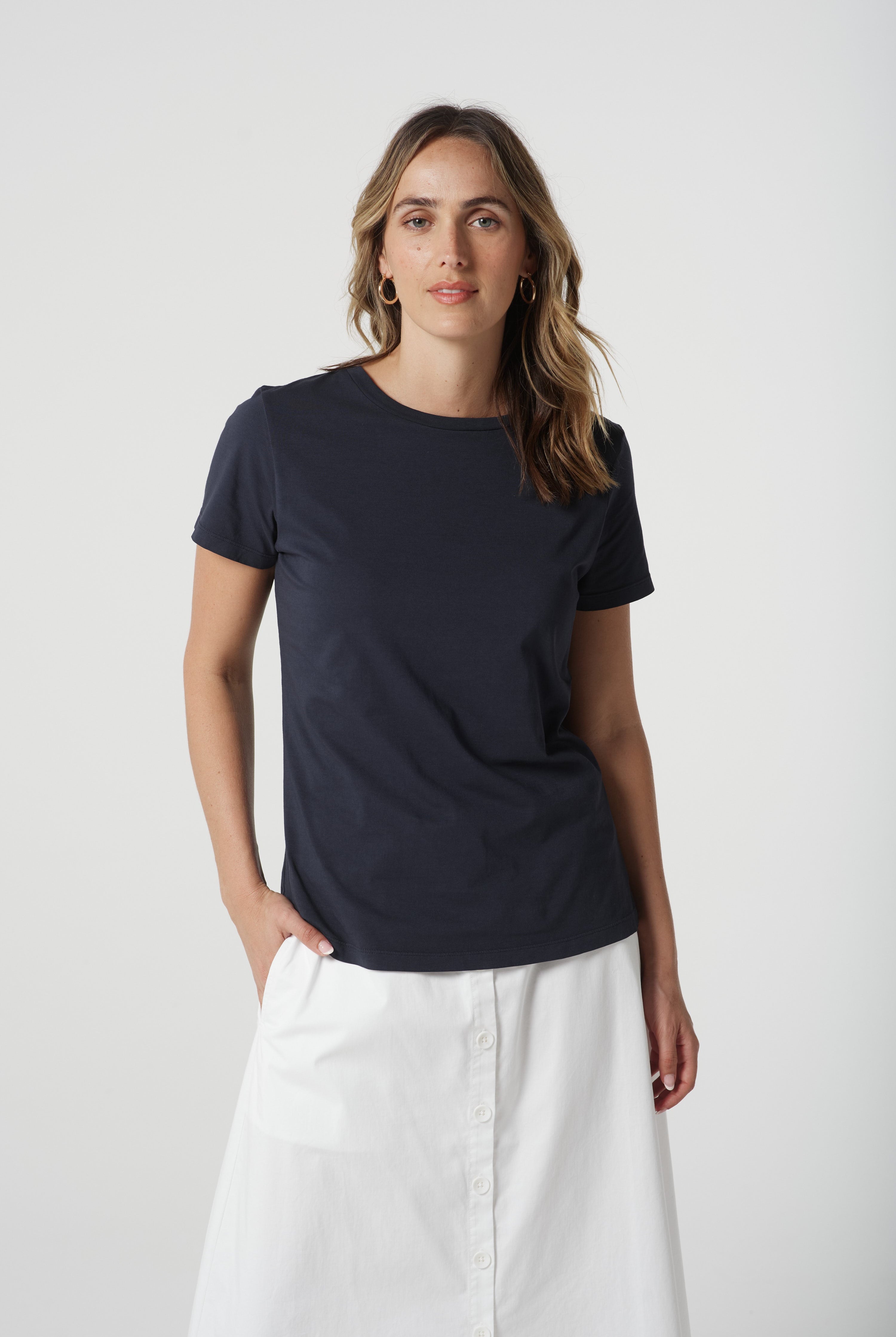
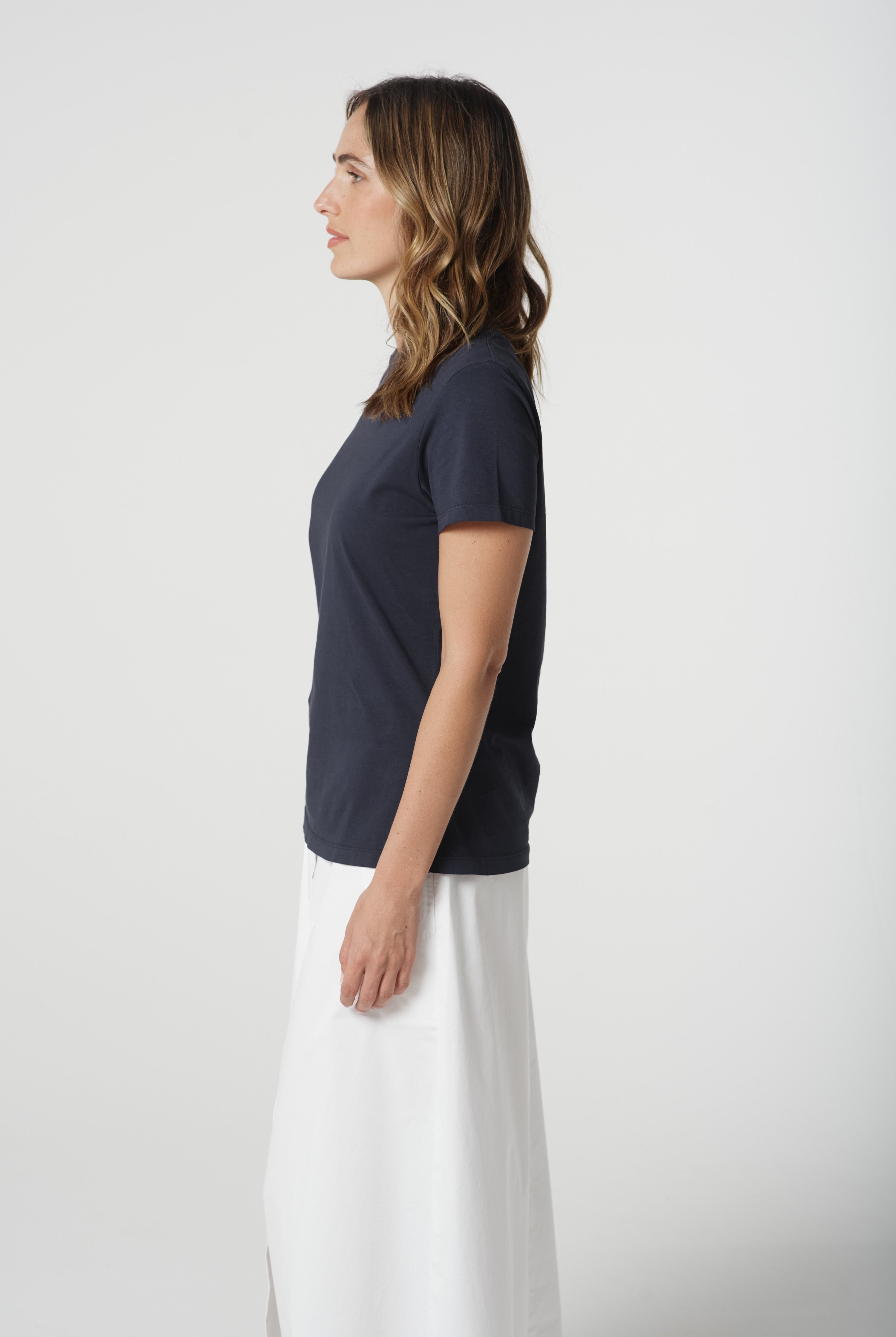
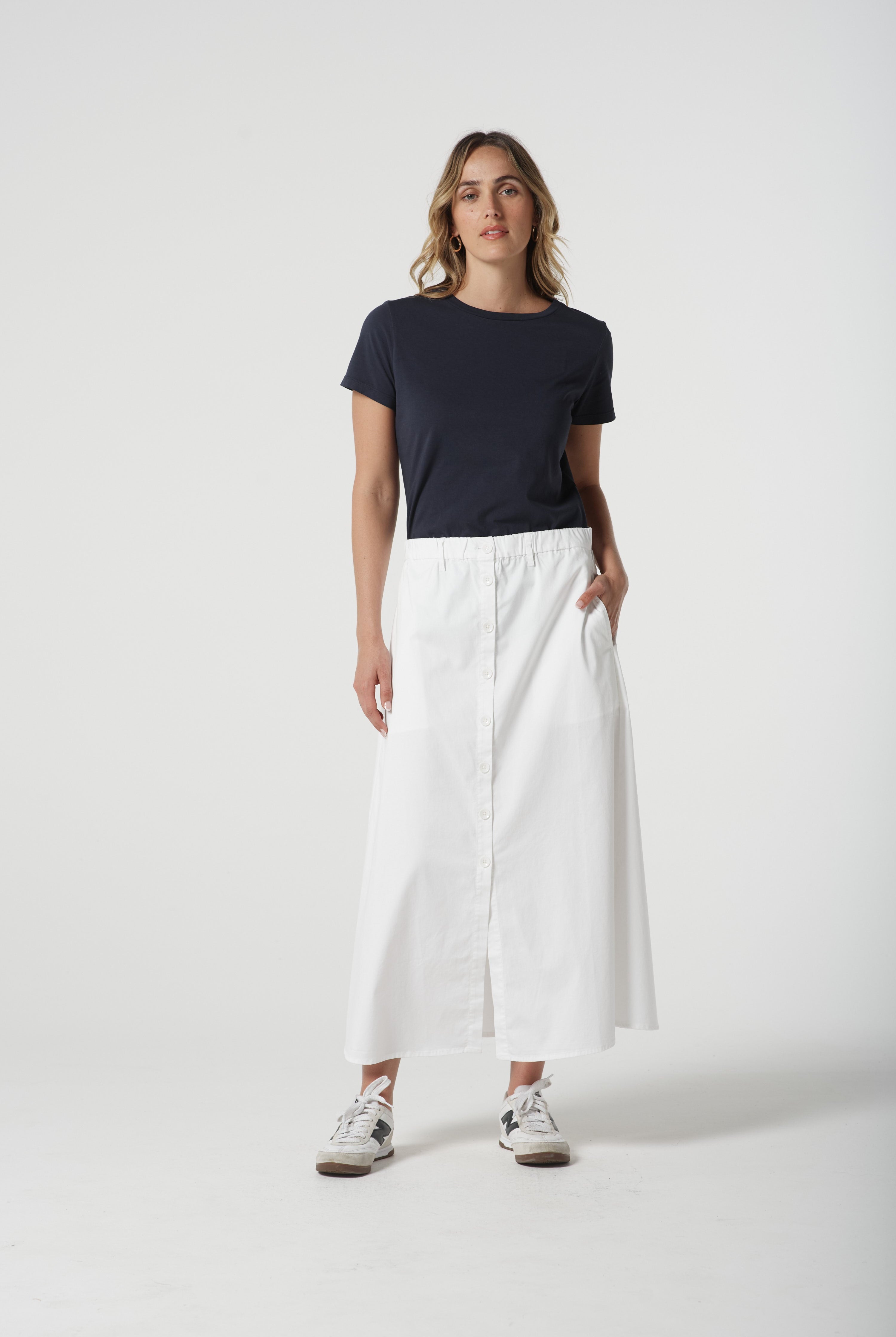
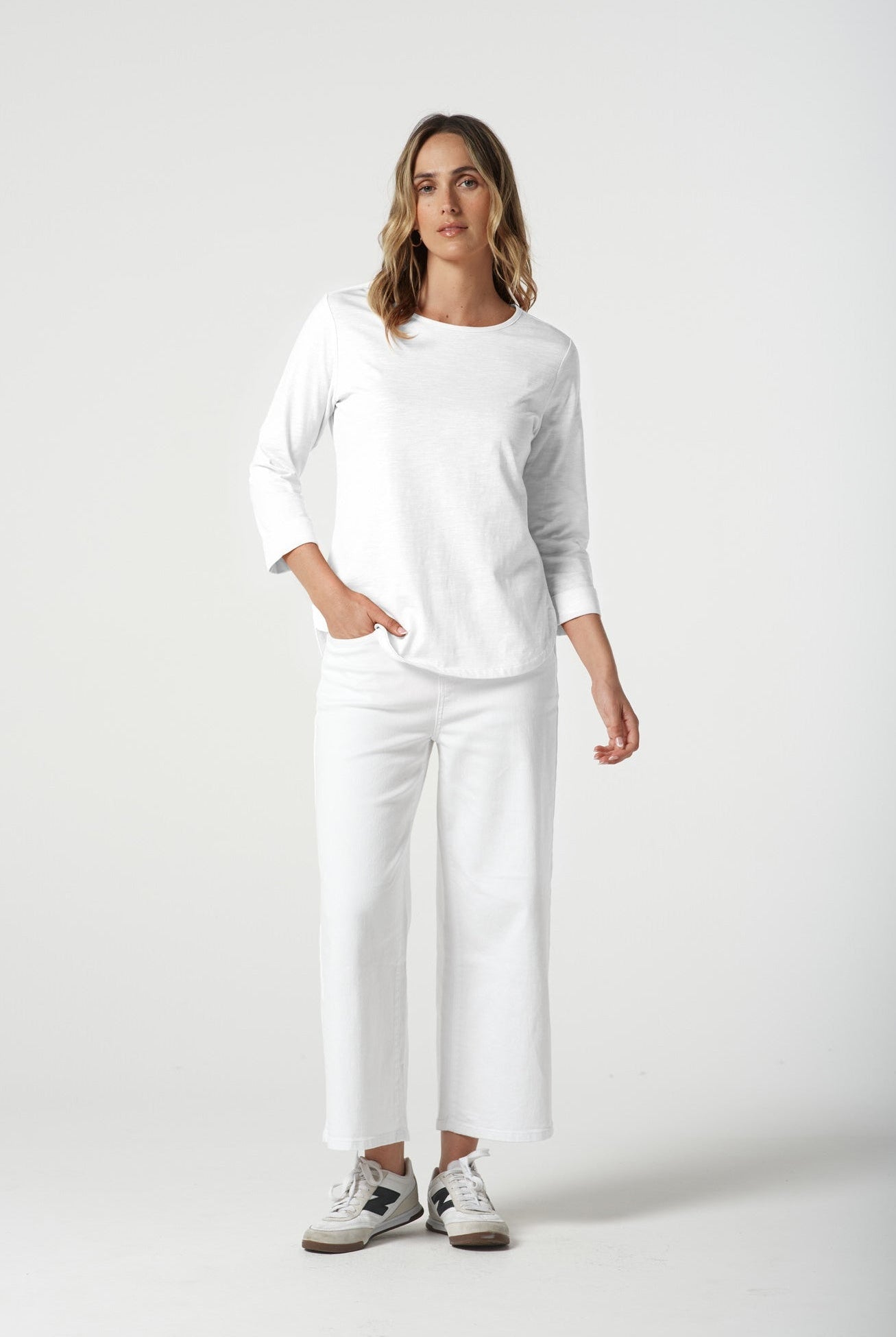
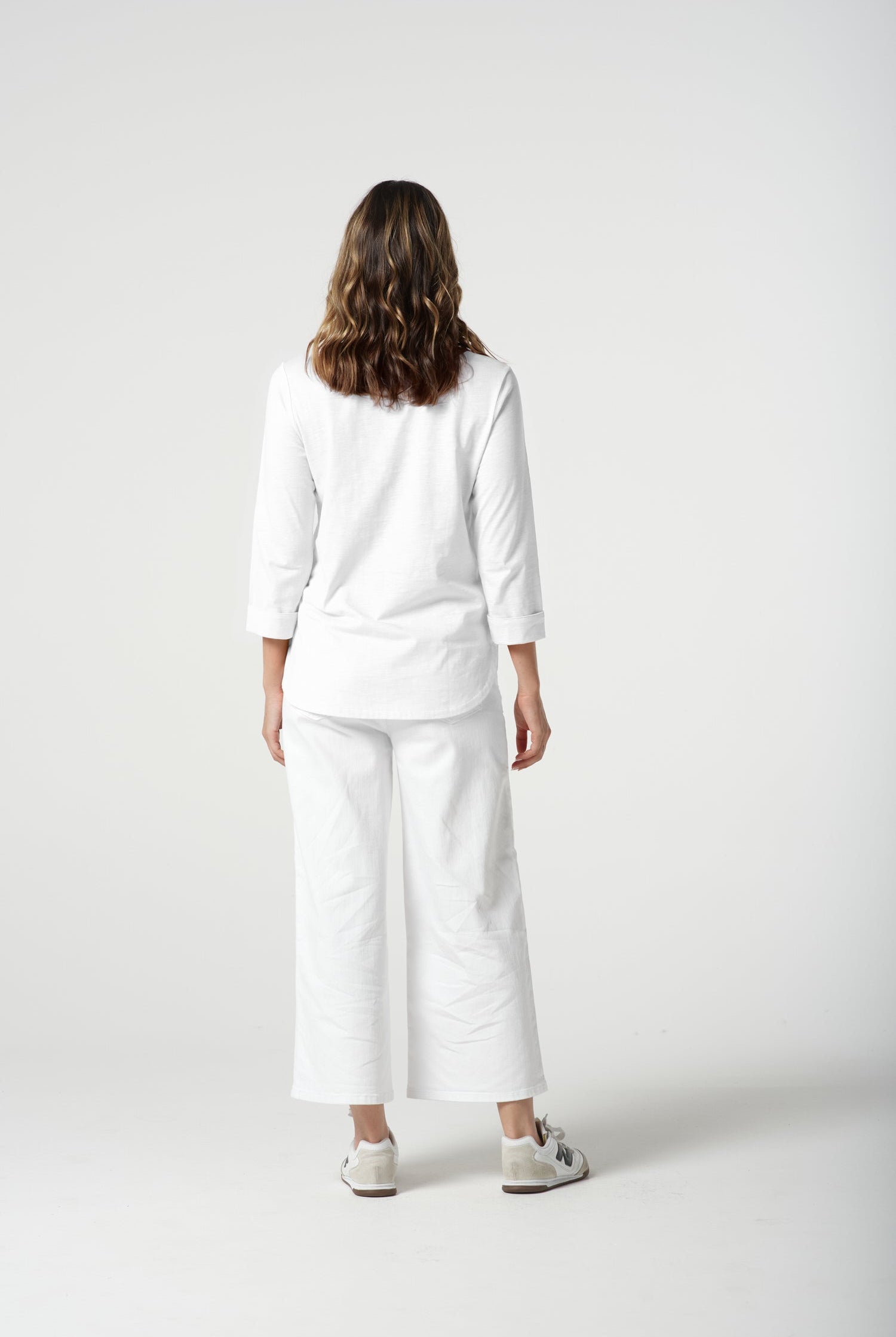
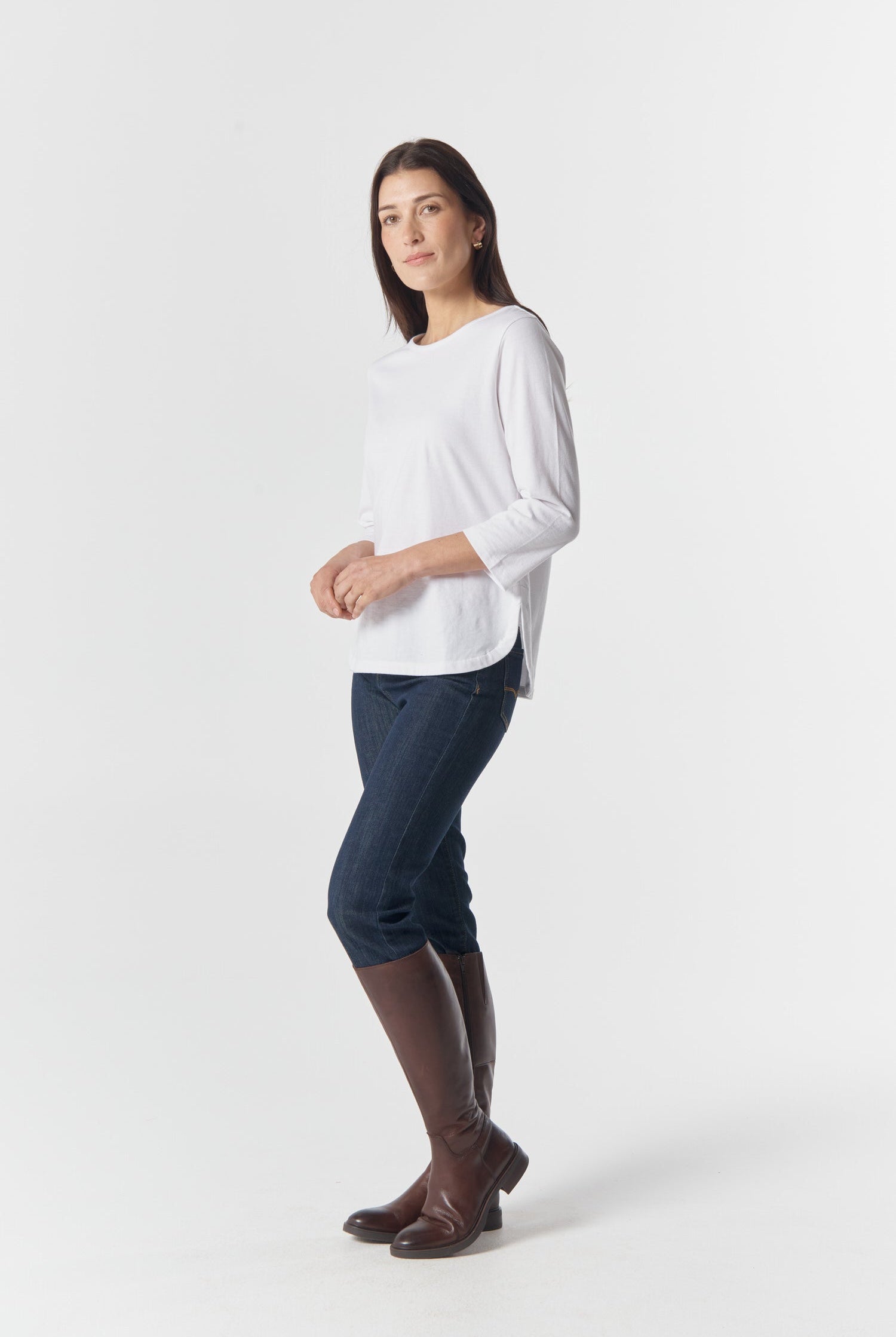
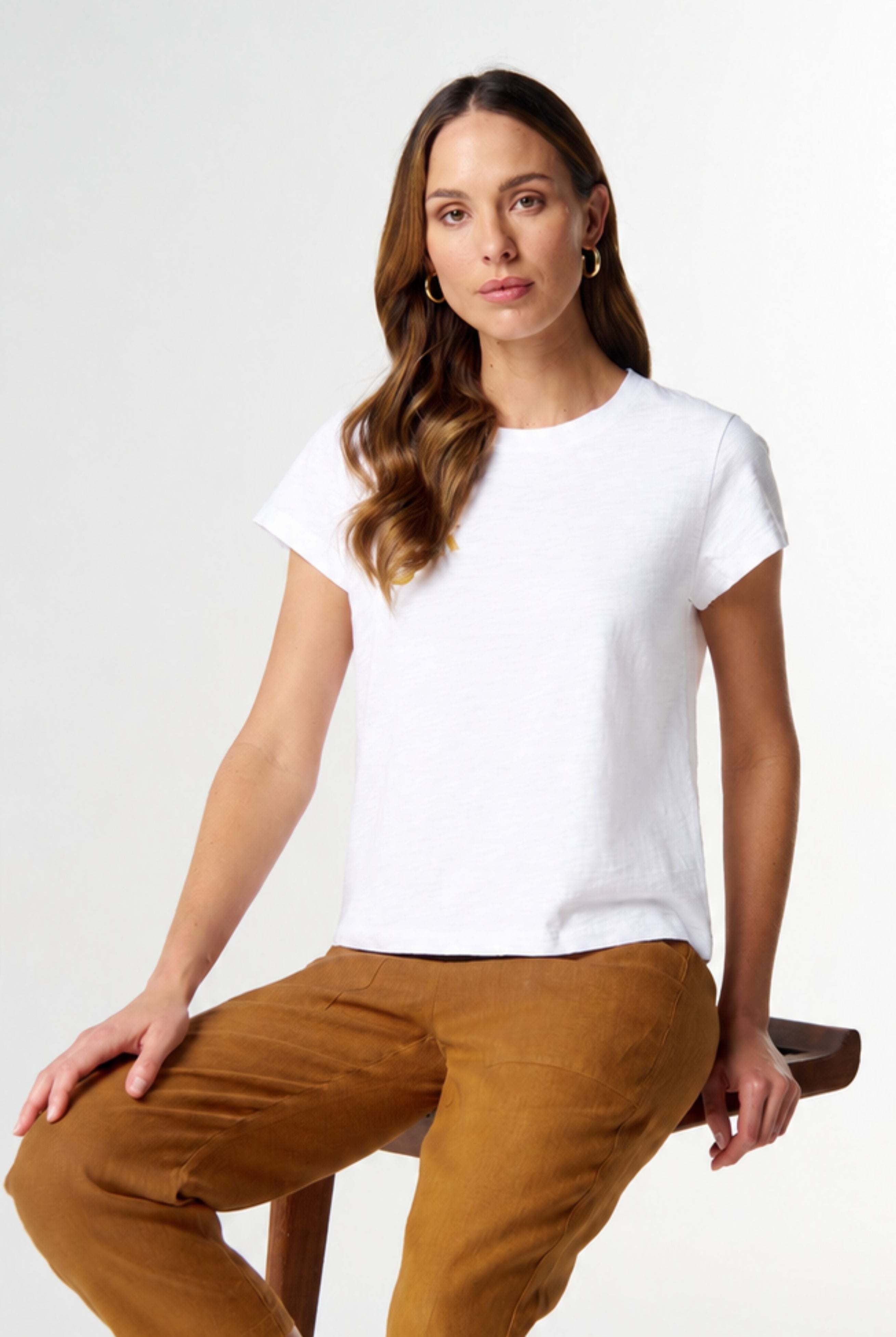
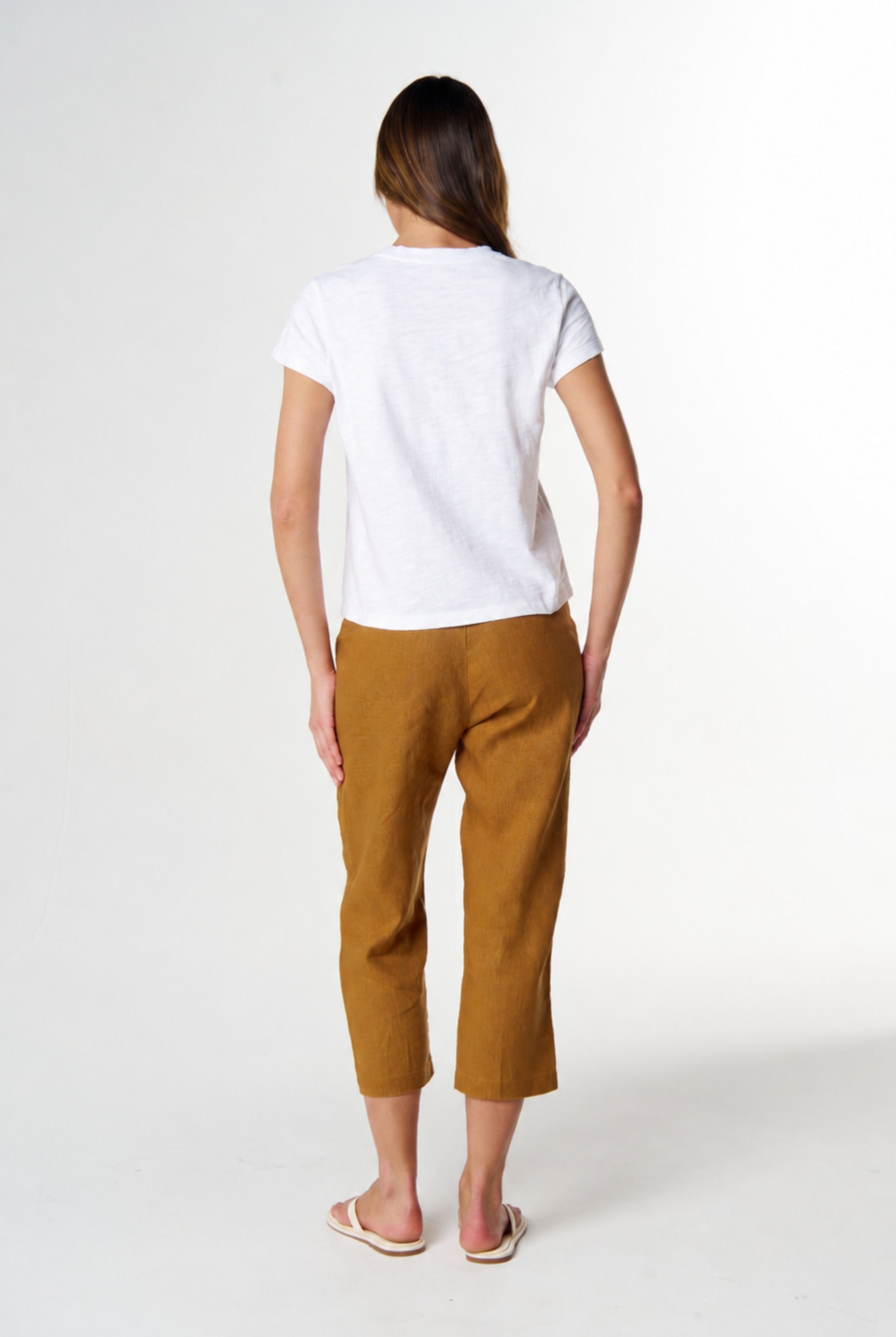
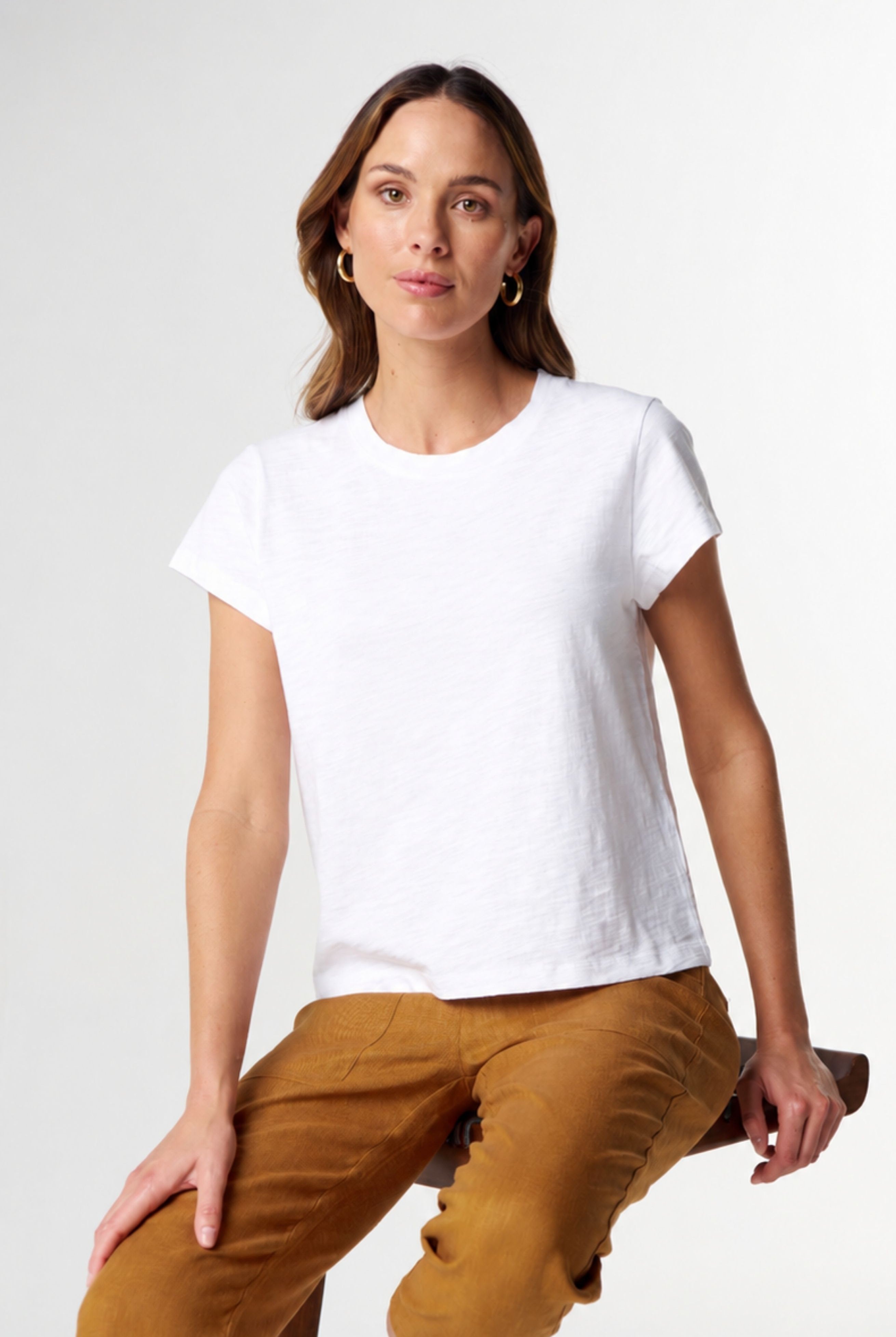
The perfect white T-shirt.
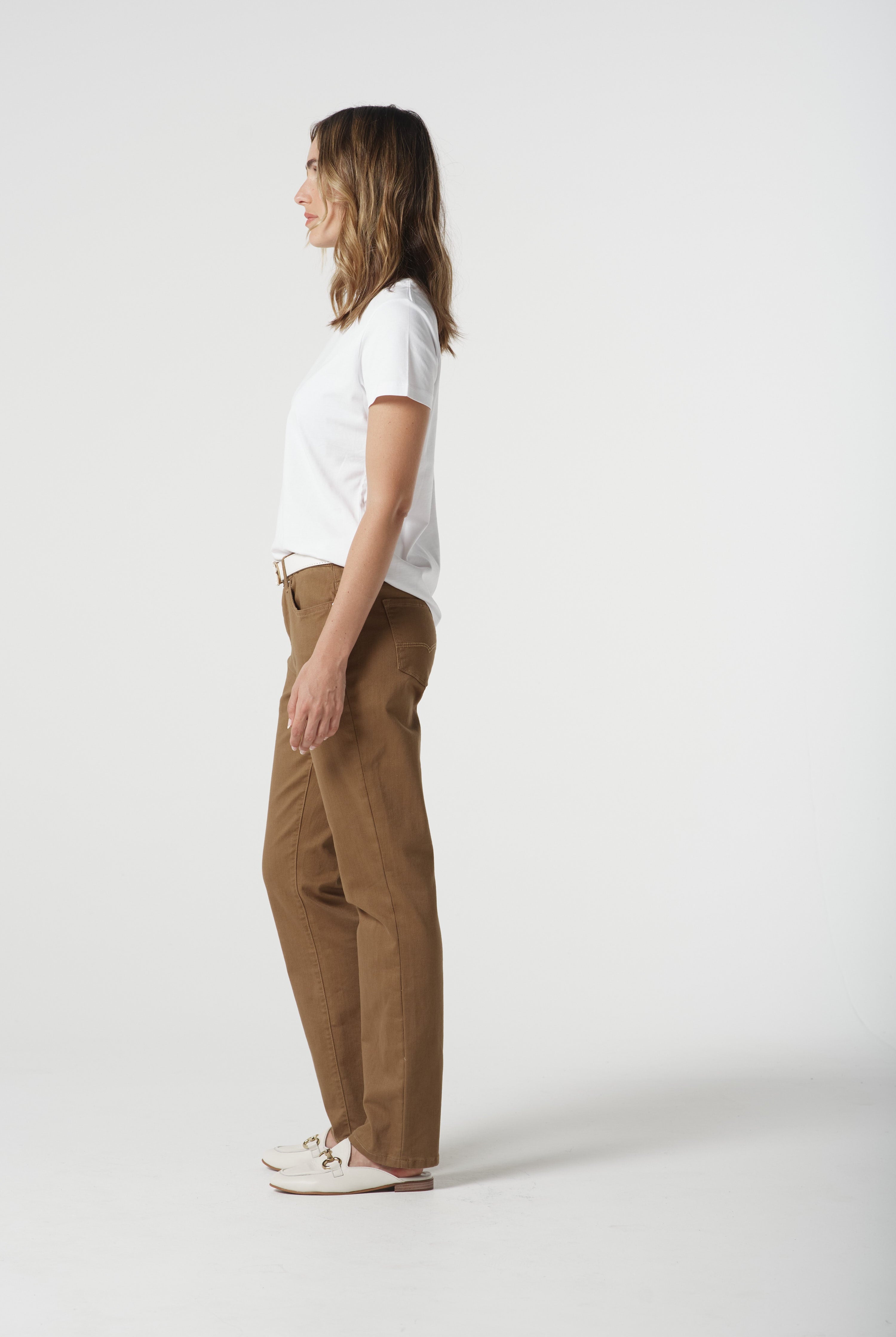
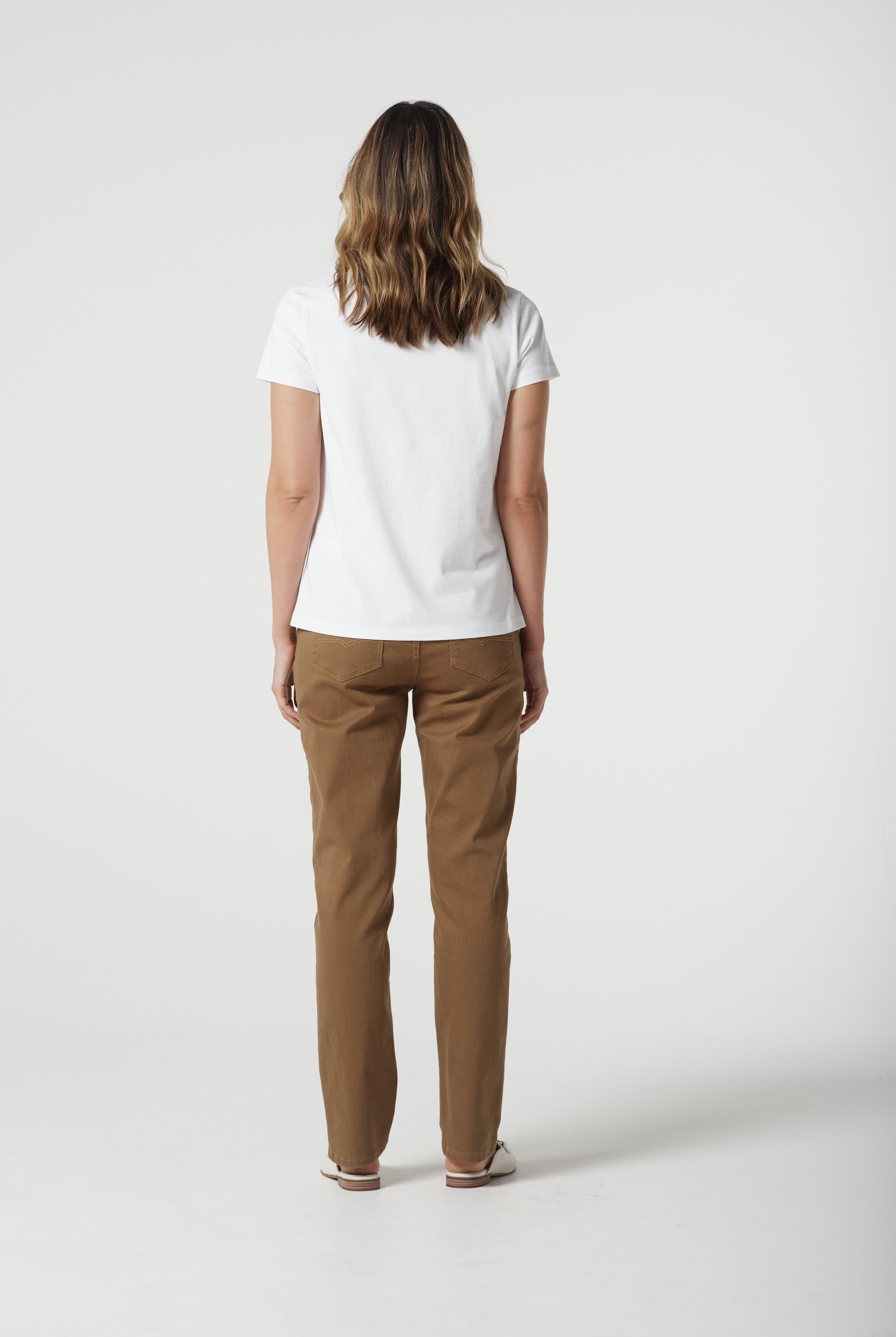
A great pair of jeans.
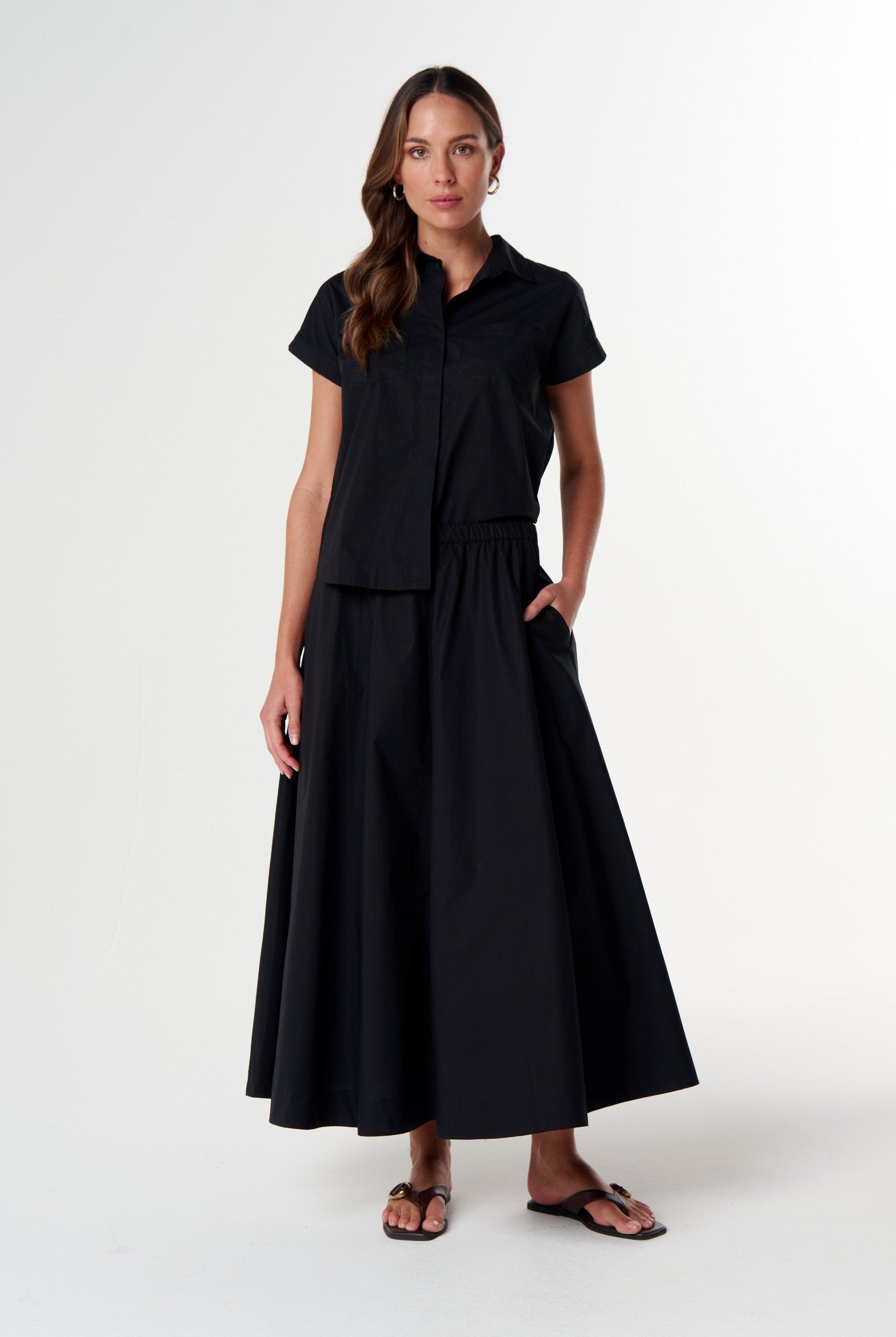
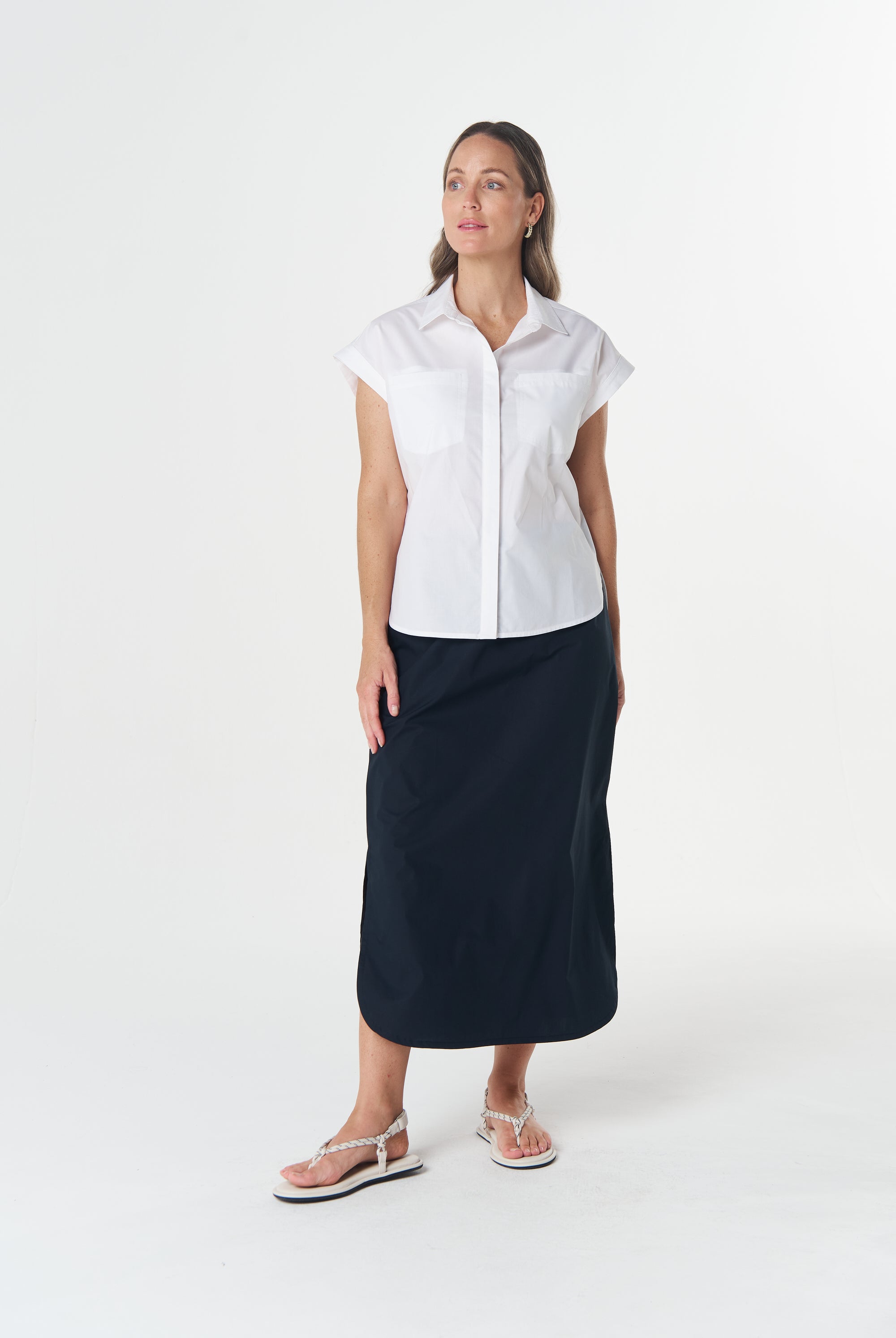
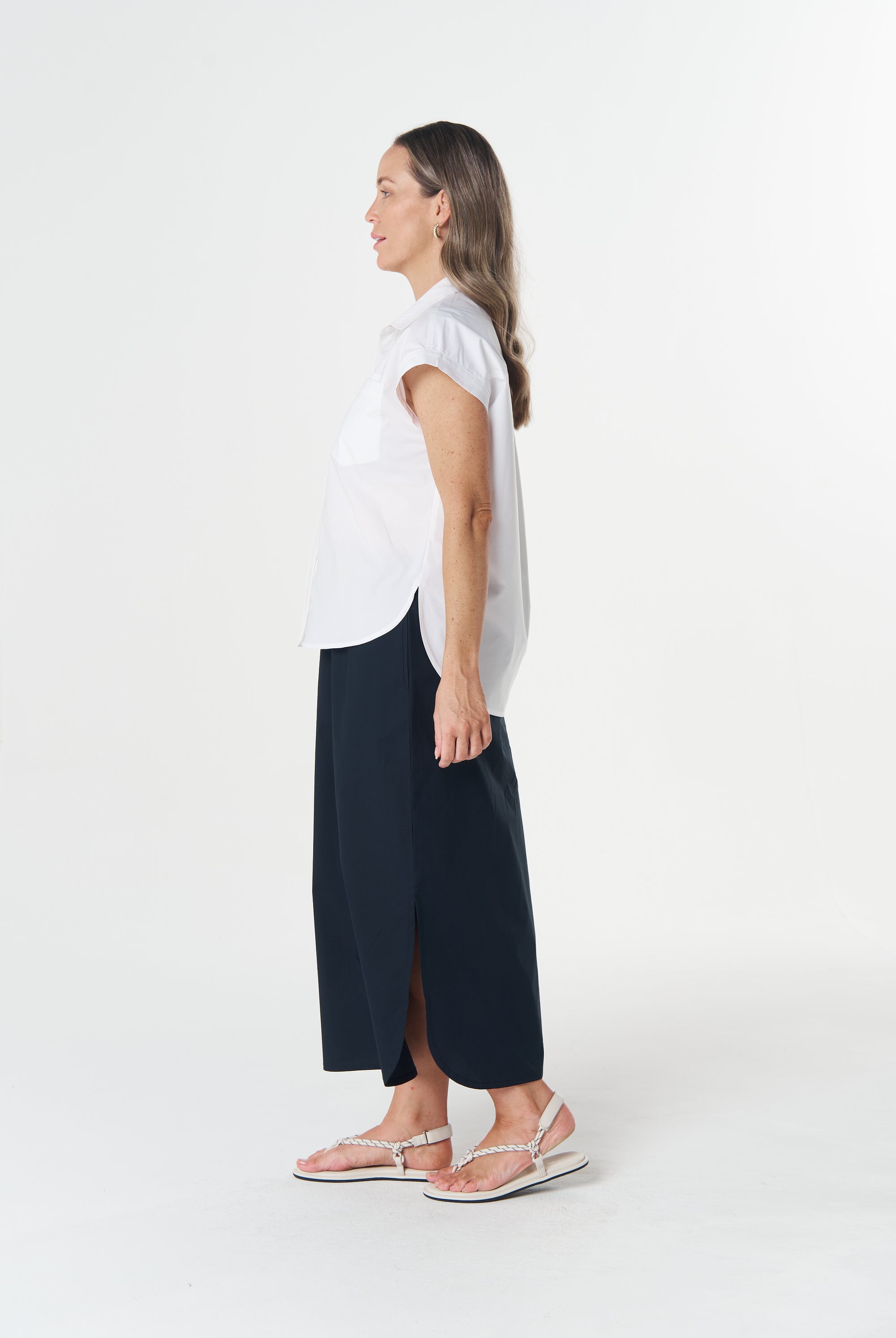
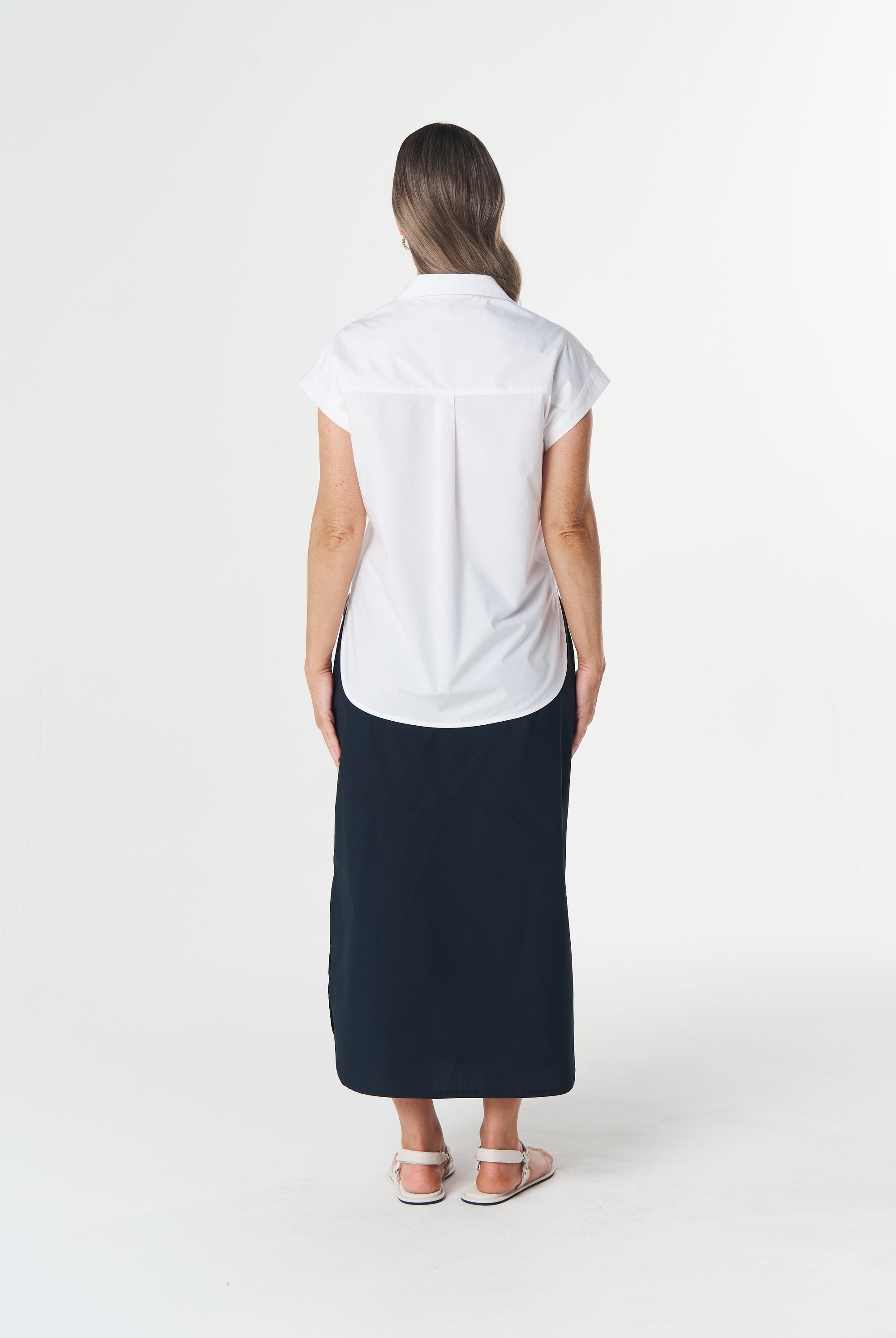
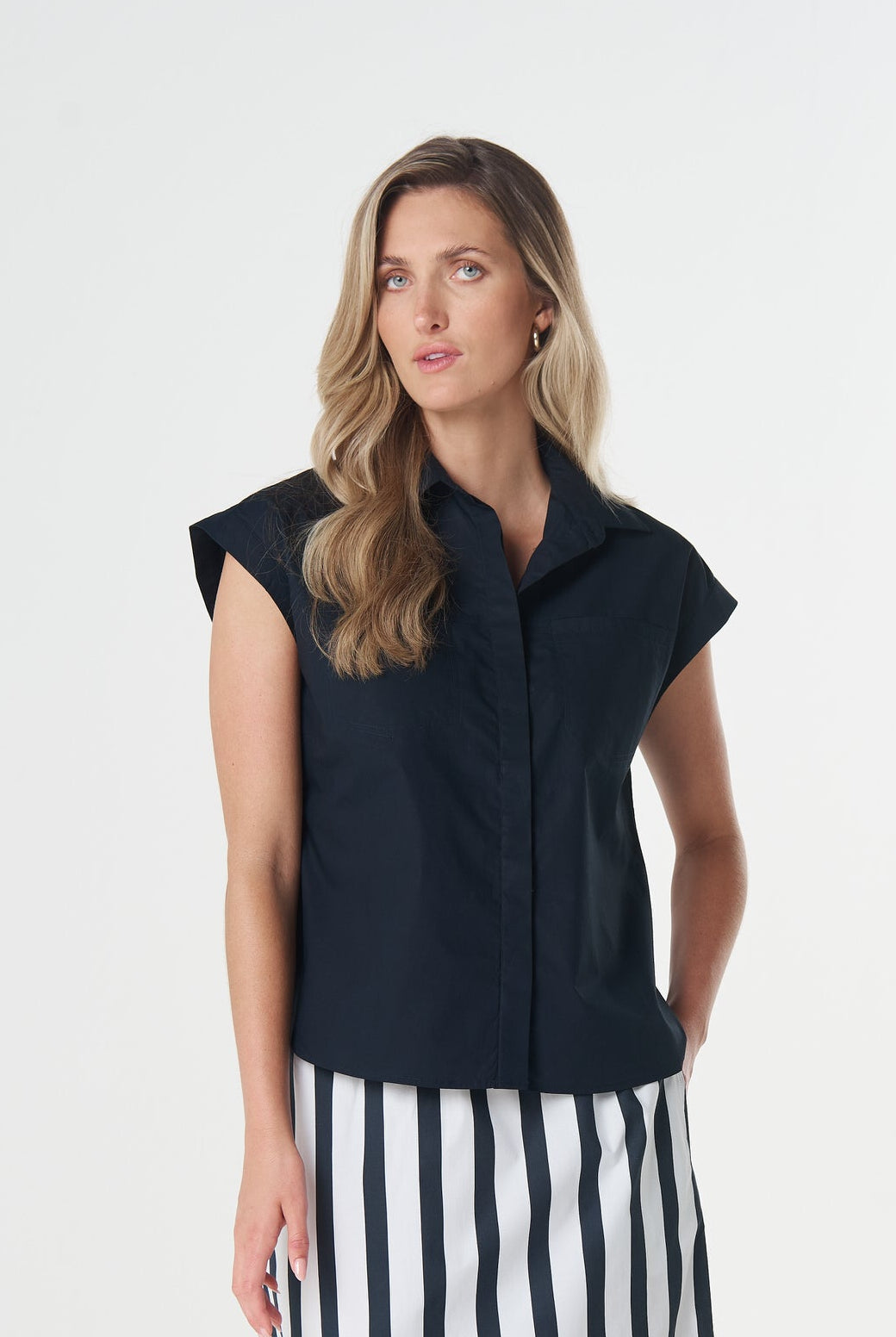
A crisp cotton shirt.
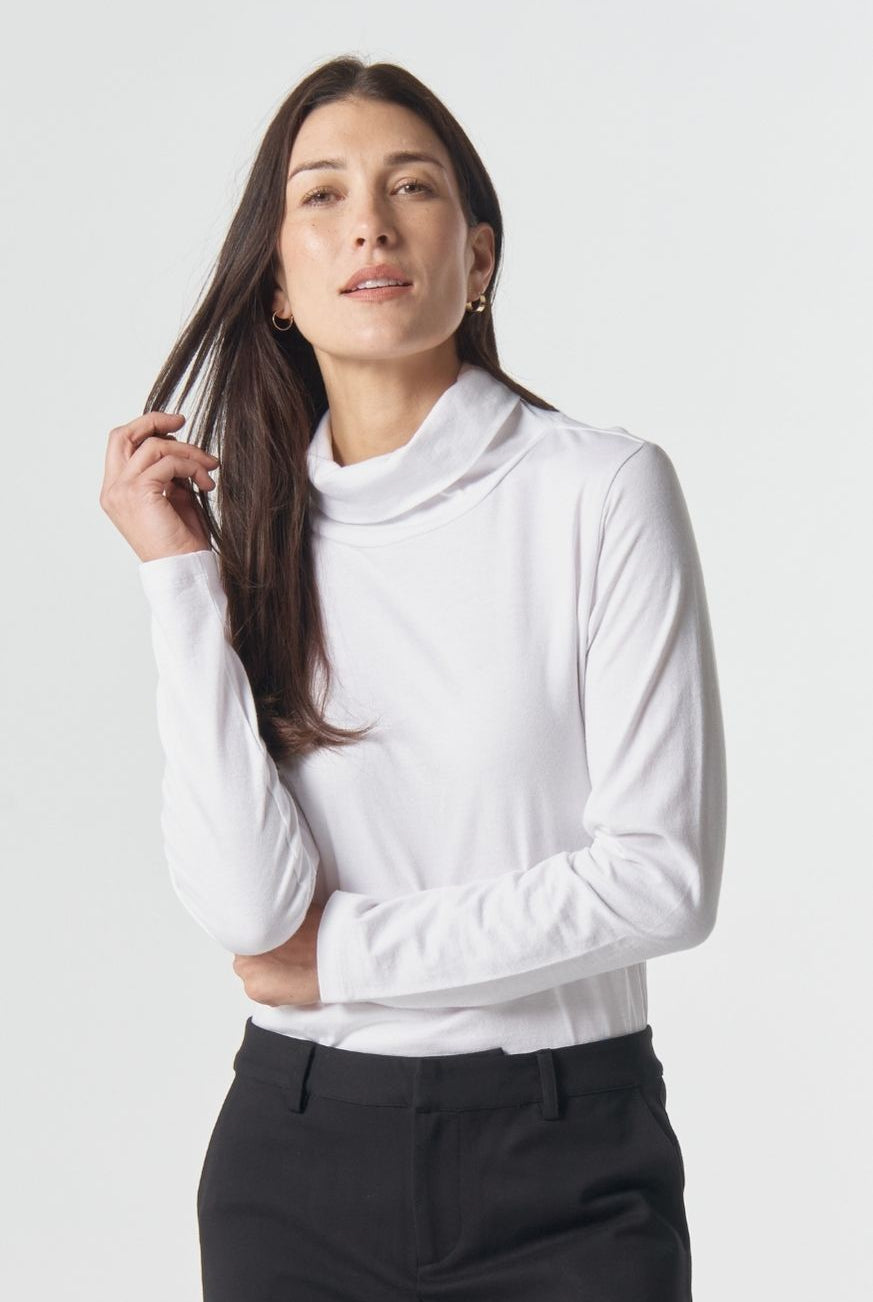
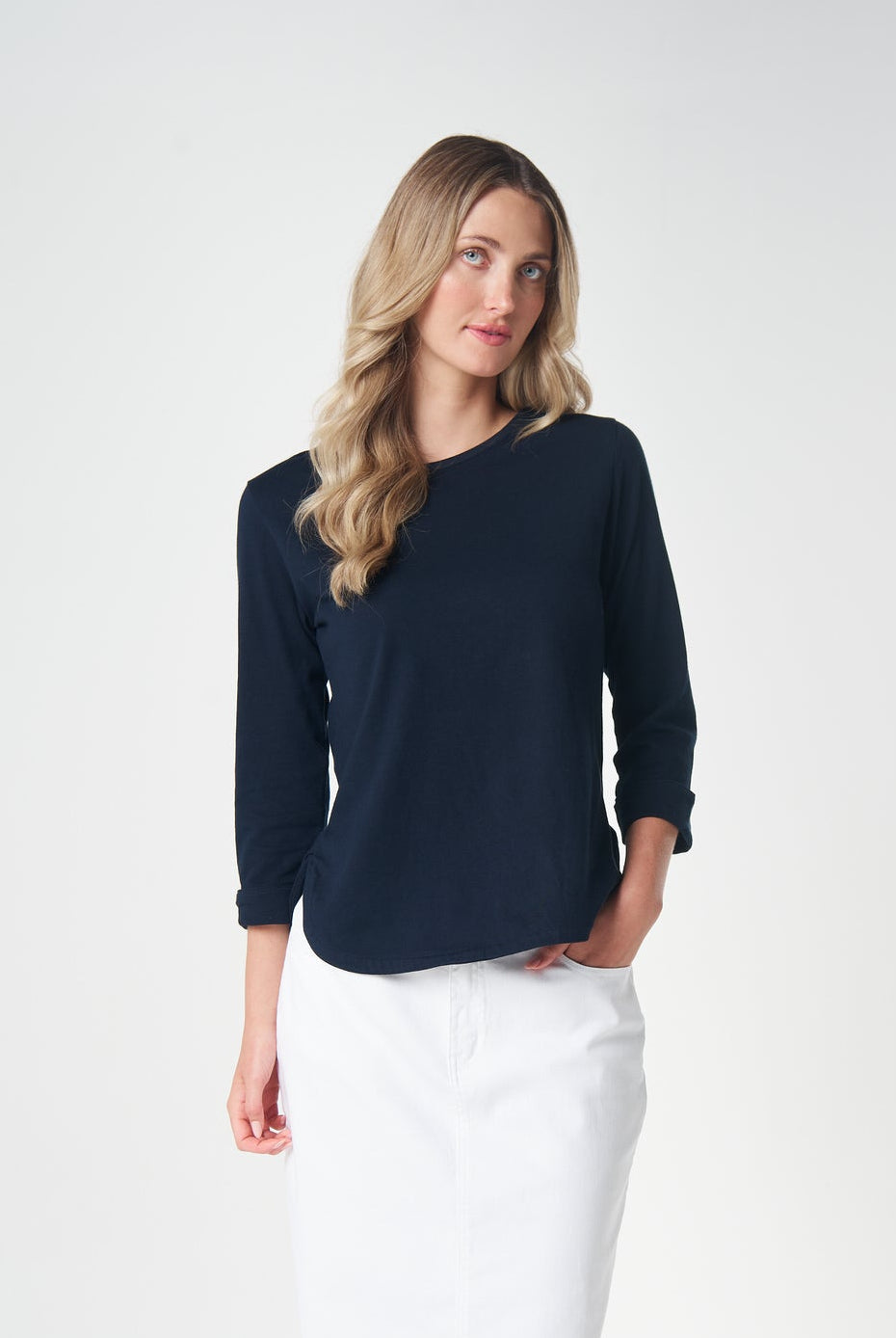
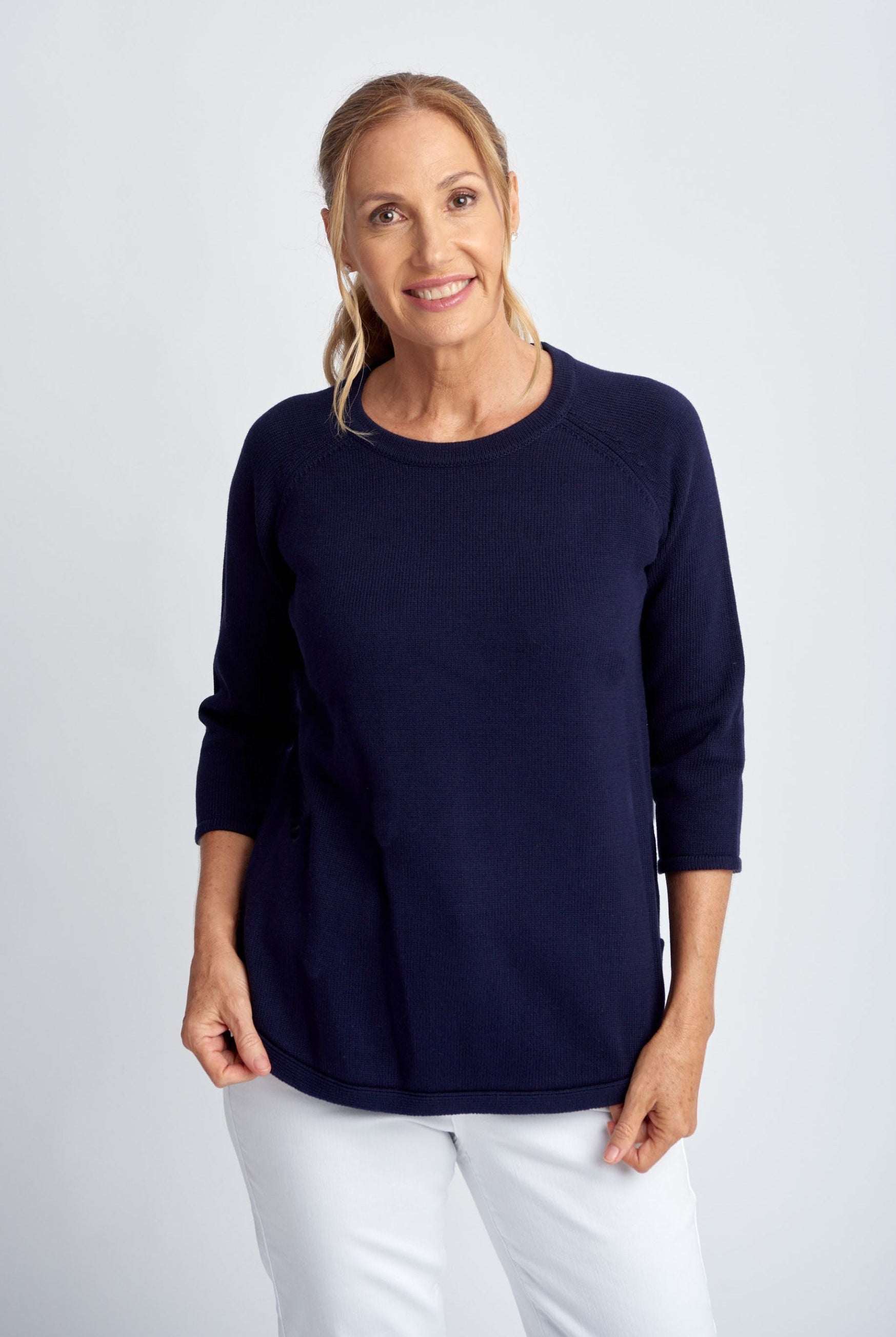
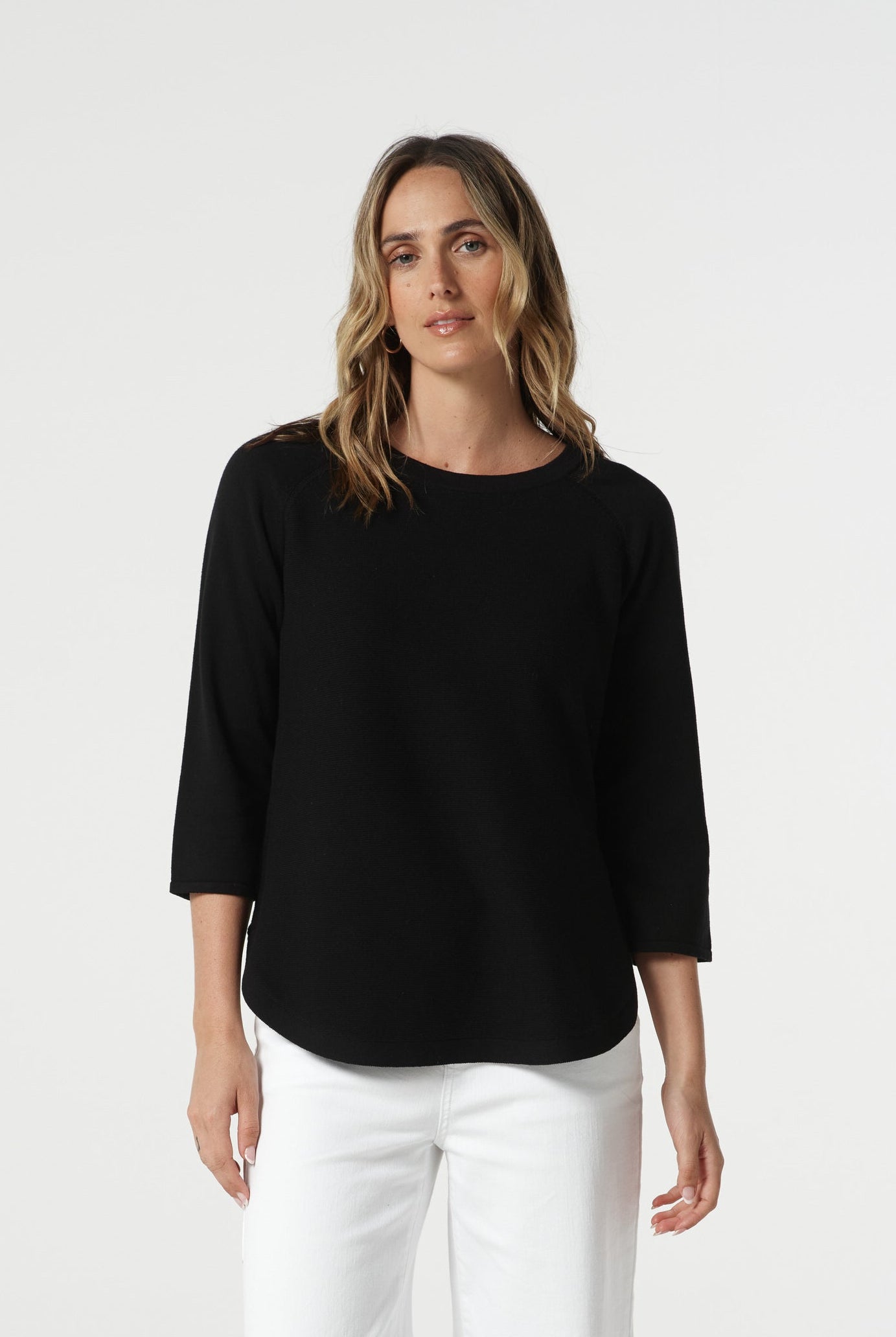
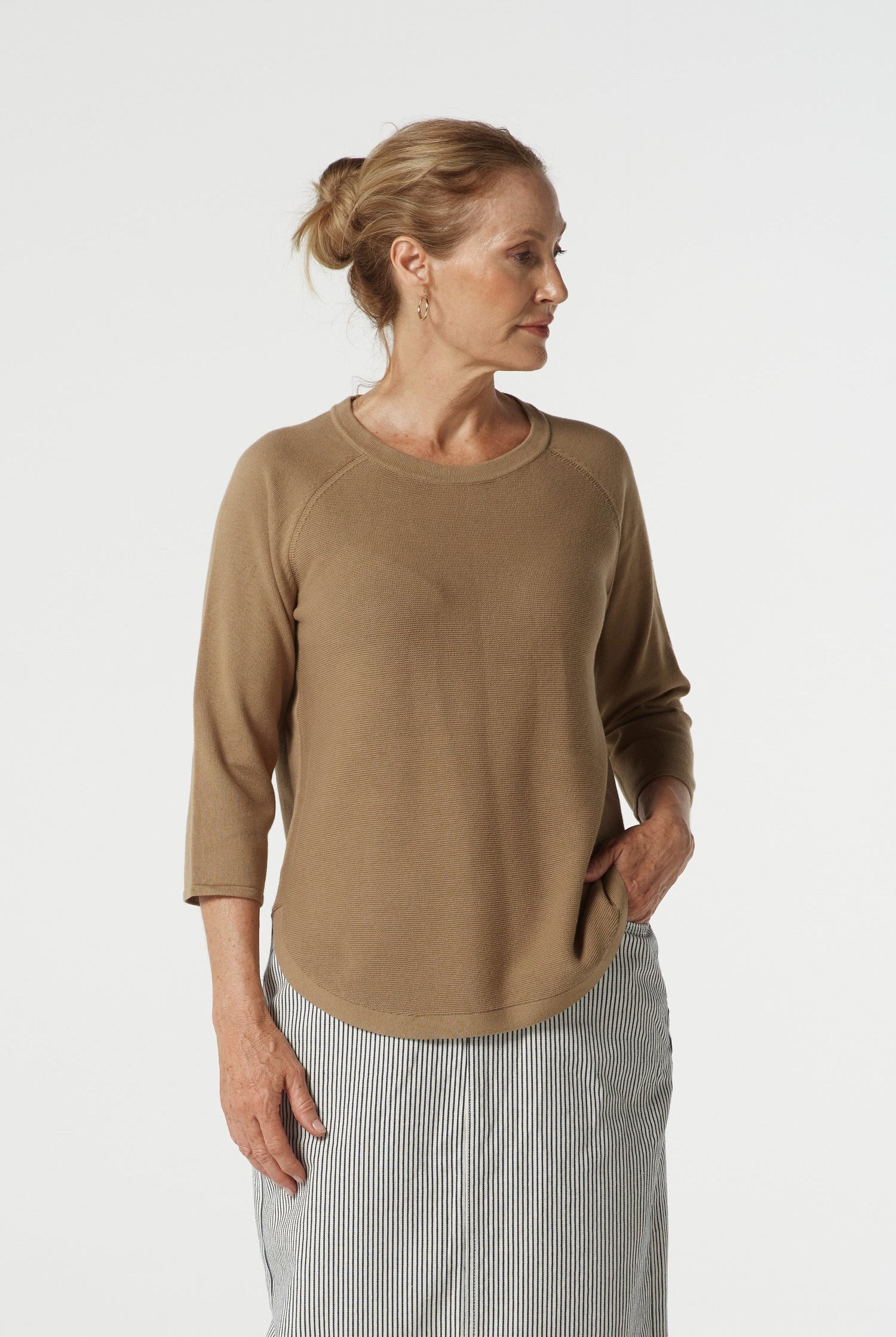
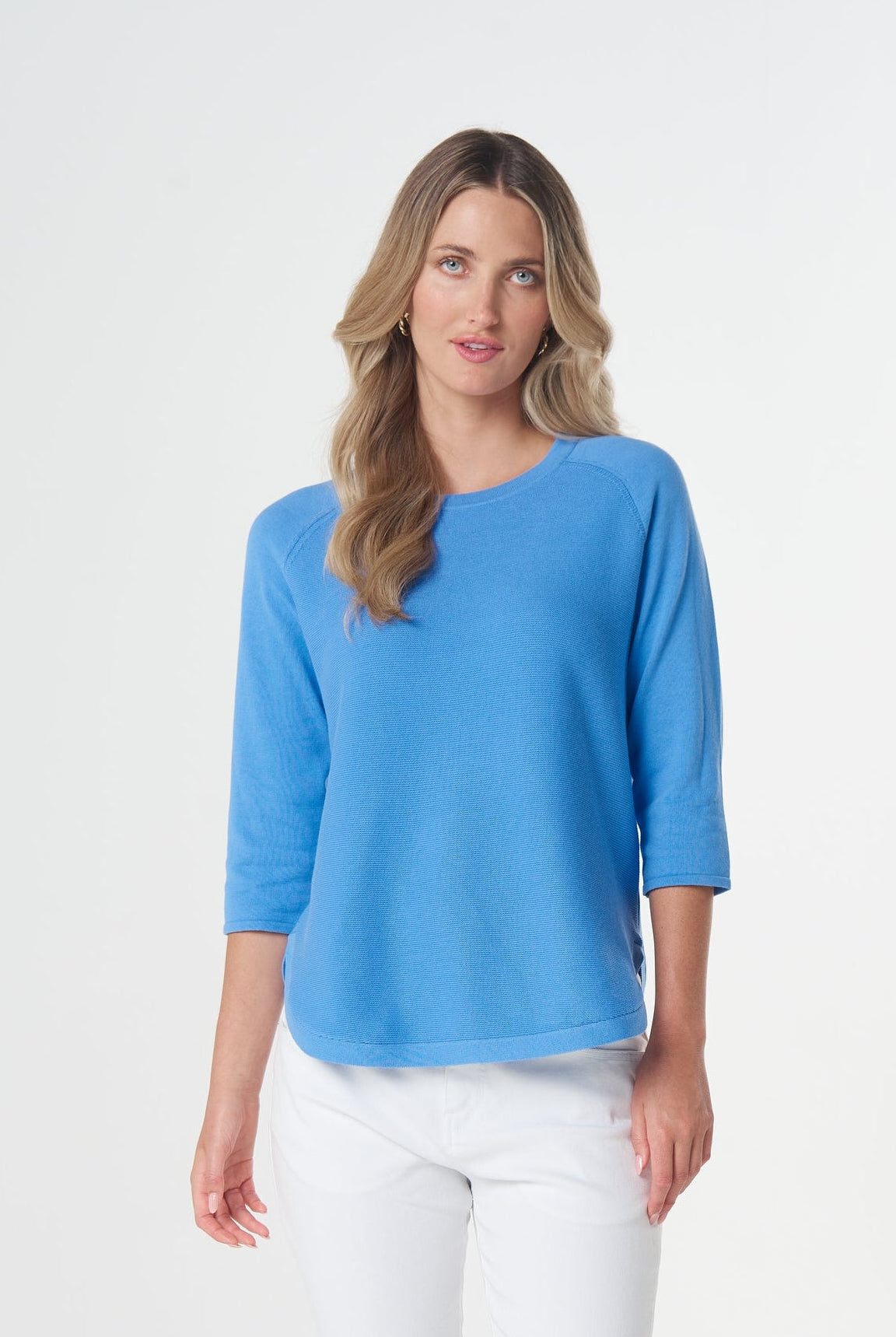
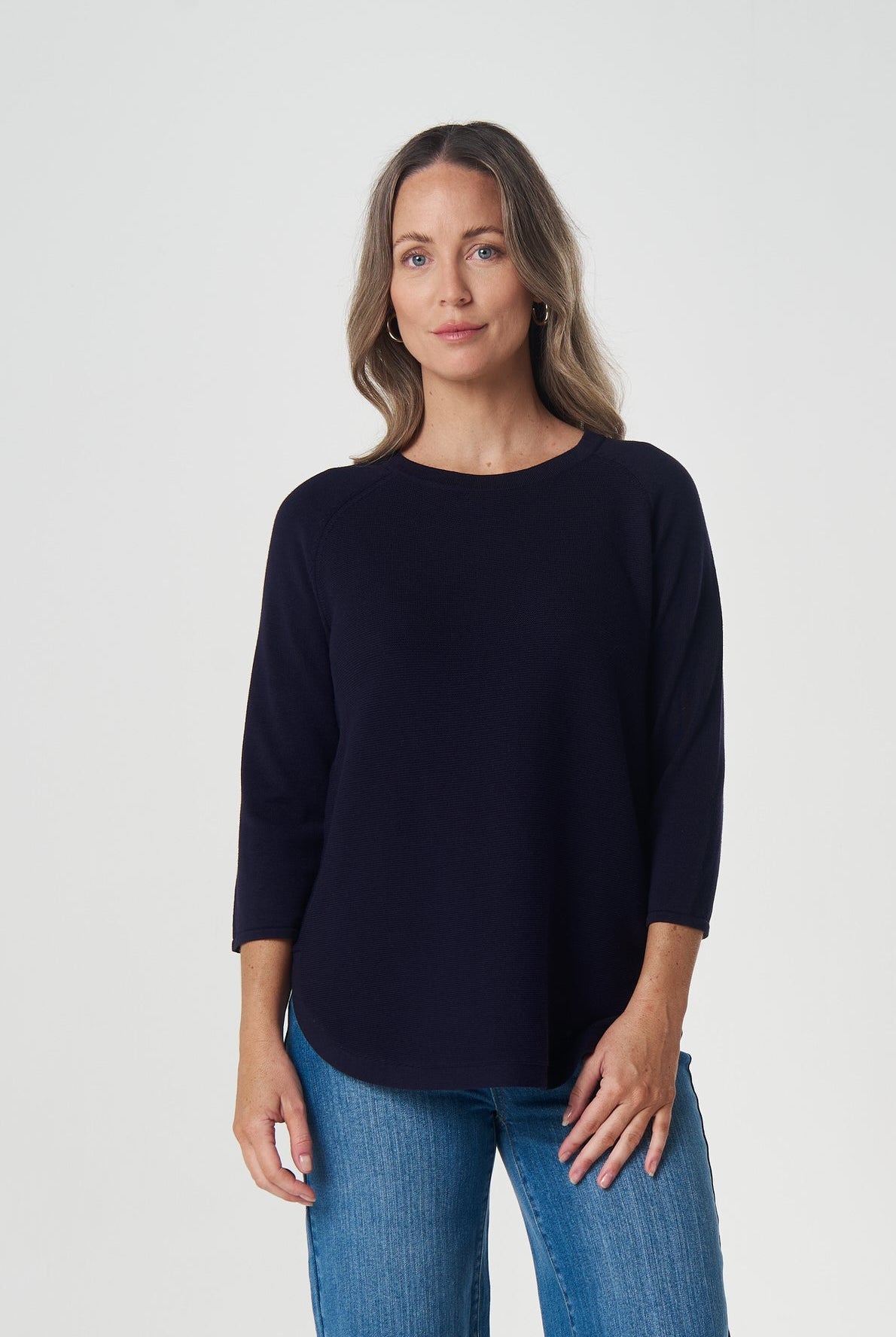
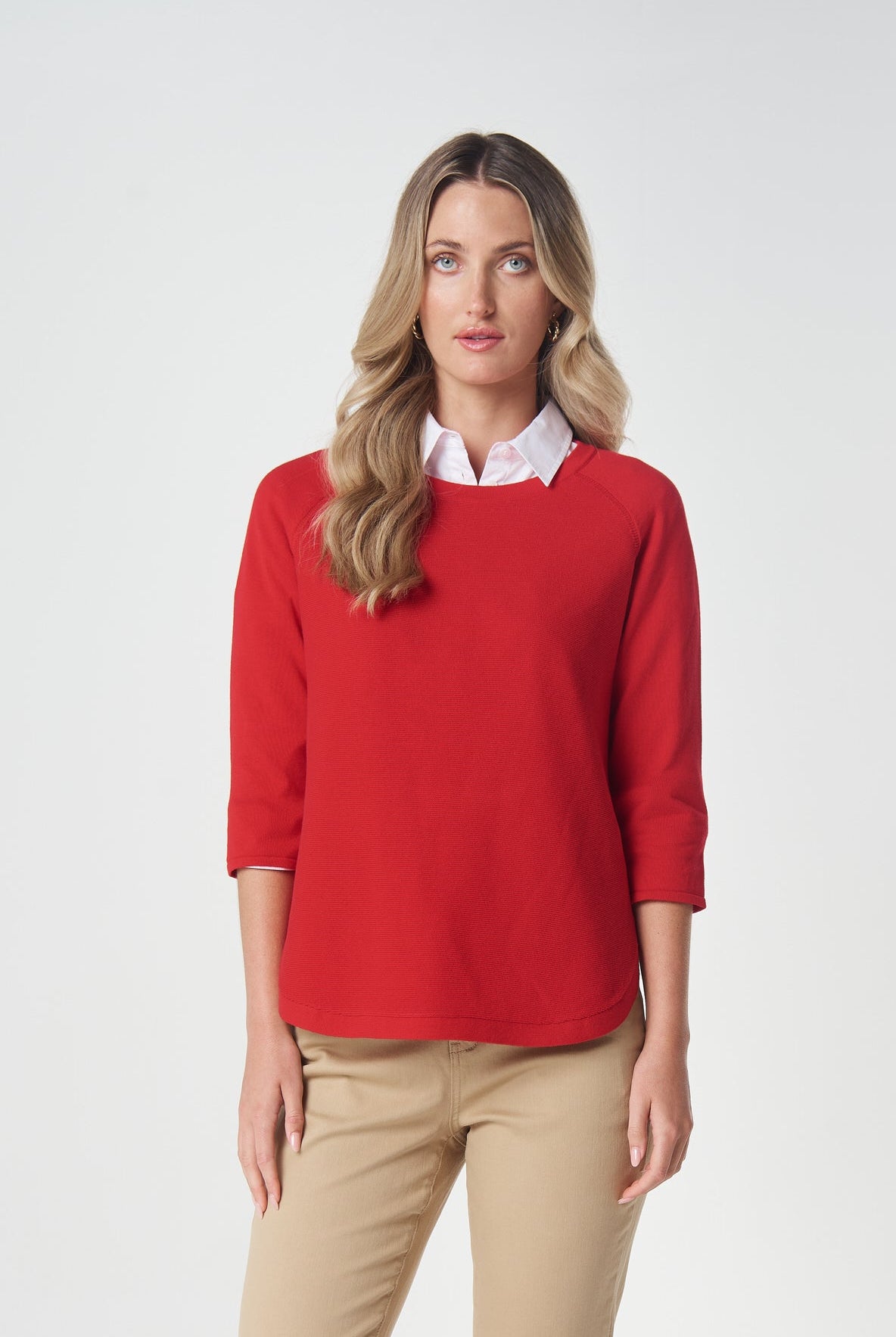
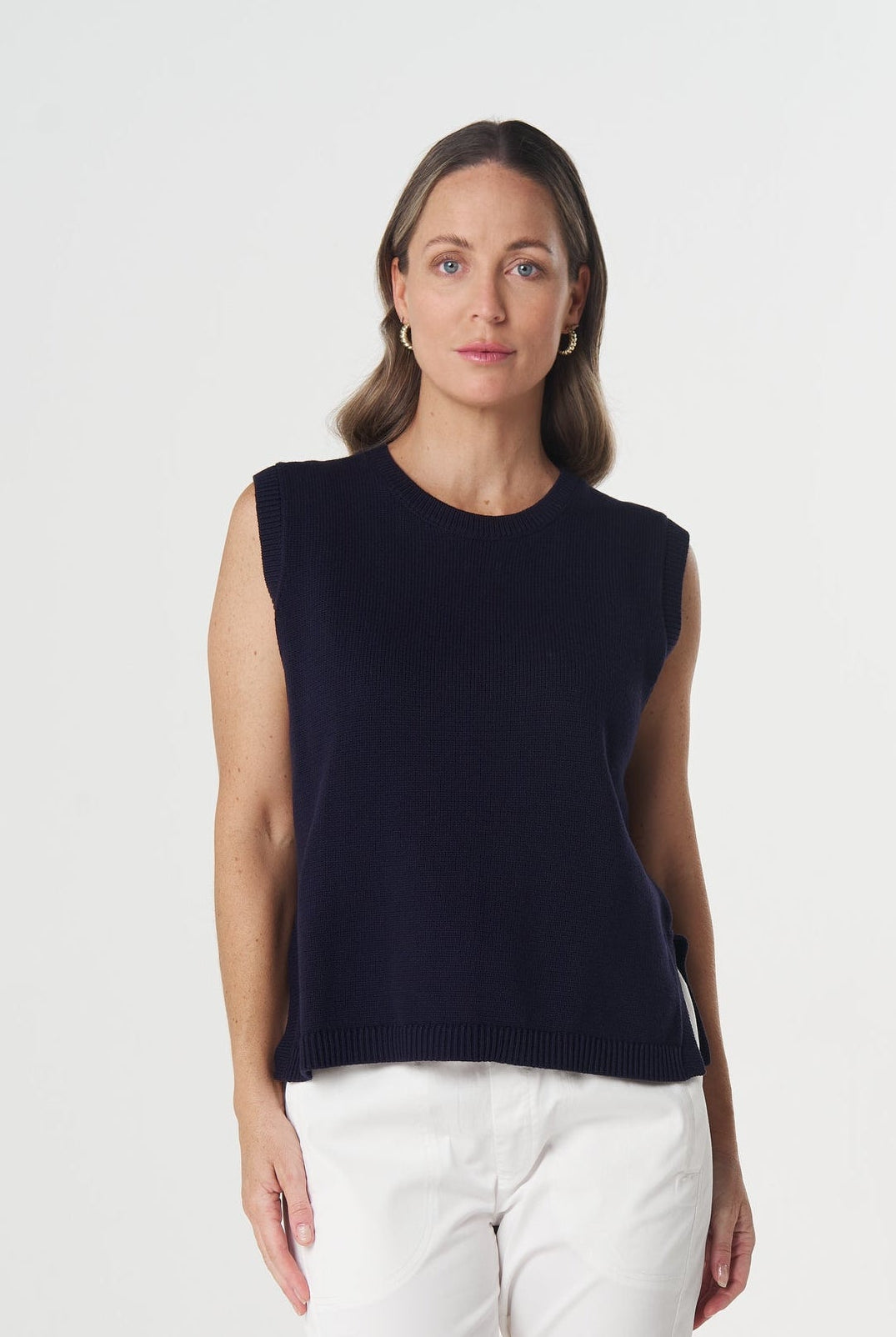
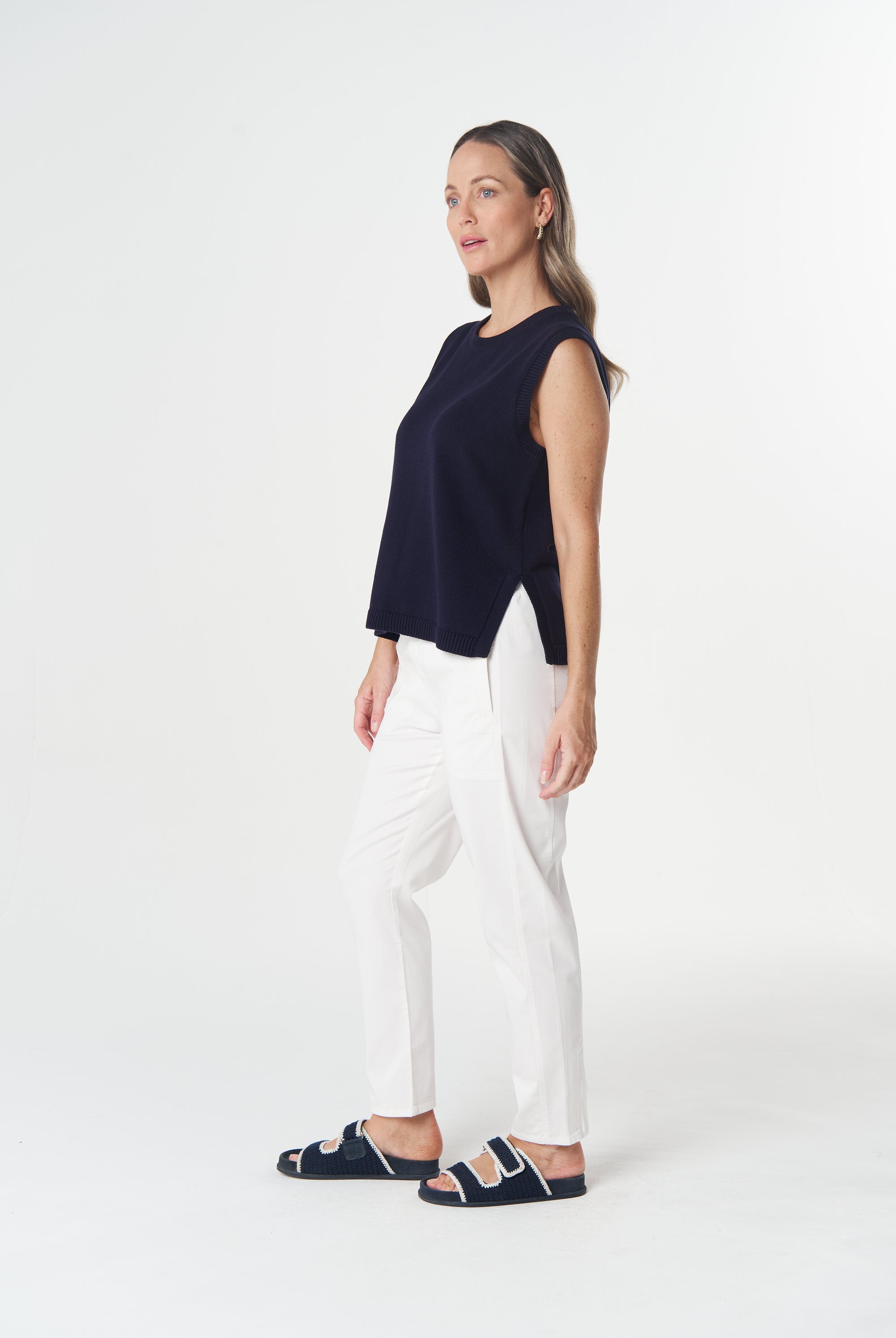
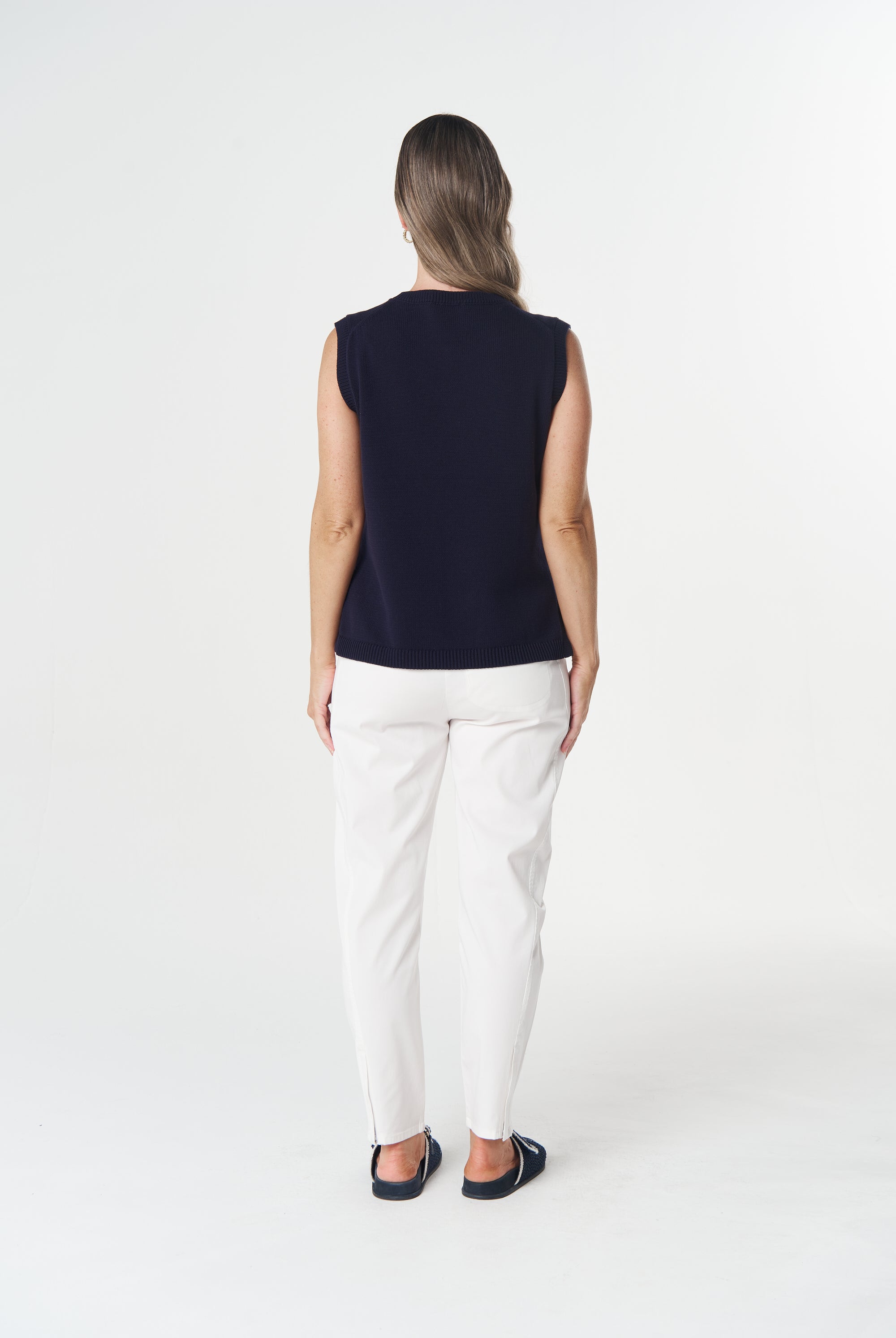
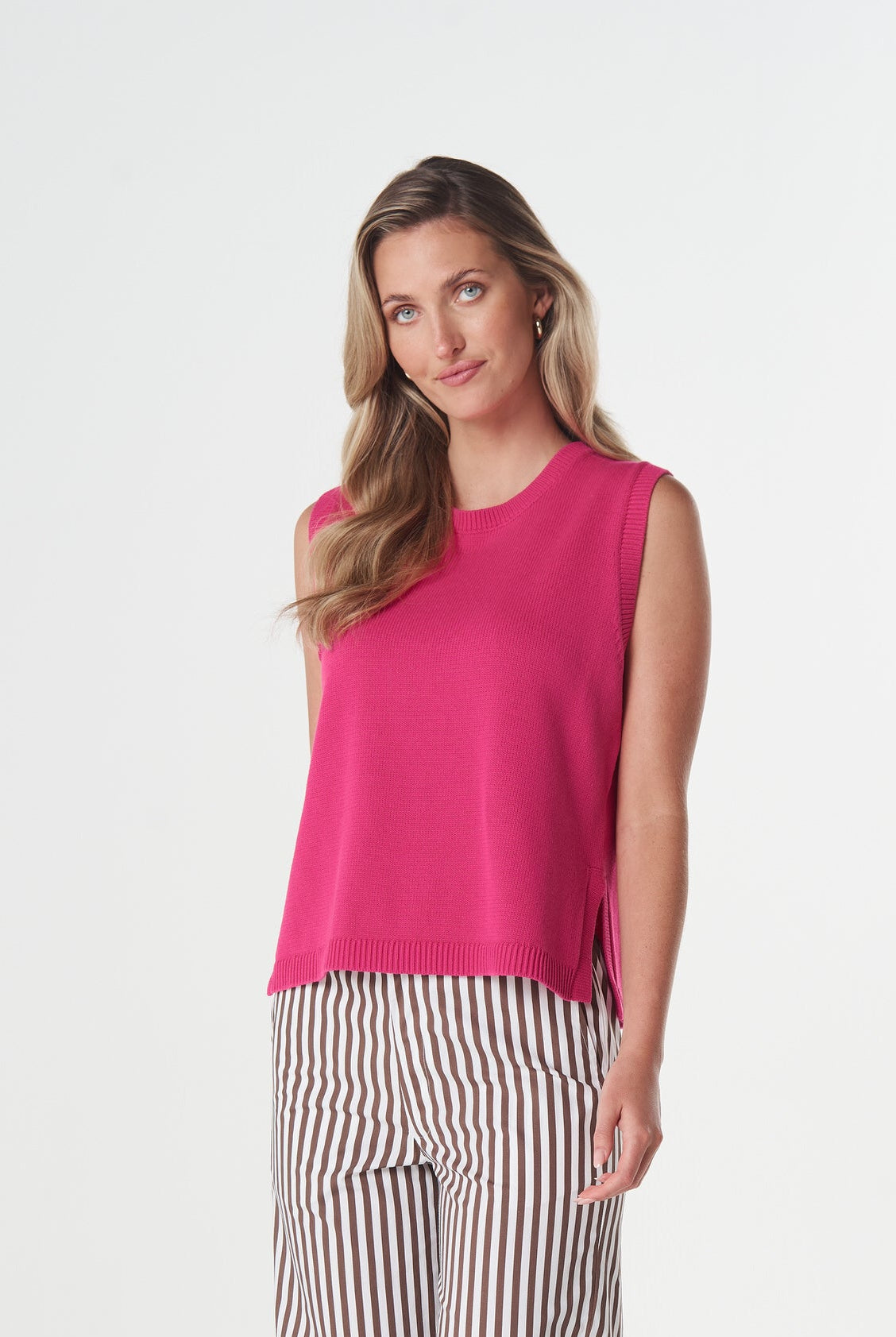
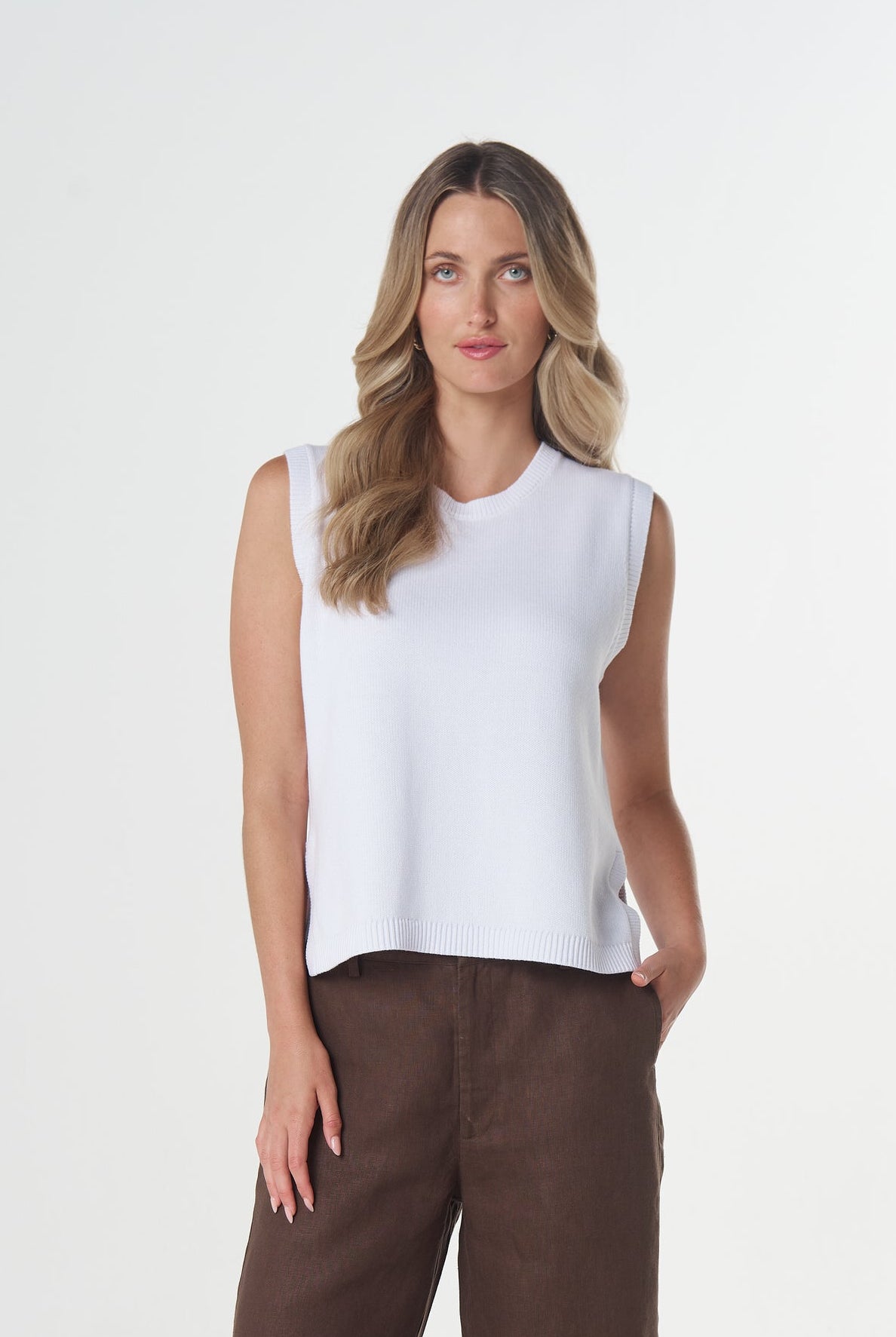
A soft knit.
The clothes we wear day in, day out.
Cotton is naturally soft, breathable and absorbent, which is why it works so well in the Australian climate. It can be knitted into a soft jersey T-shirt, woven into crisp poplin, made into denim, corduroy or chambray. When it comes to fashion, the possibilities are almost endless.
One 227kg bale of cotton can make around 1,200 T-shirts or 215 pairs of jeans.
But there’s a lot more to the cotton plant than what ends up in our wardrobes.
Source: Cotton Australia.


From Fibre To Feed
Once the cotton fibre is separated from the seed, that fibre heads off to be spun into yarn and eventually made into fabric.
But the seed doesn’t go to waste.
Cottonseed can be fed directly to cattle or crushed to produce cottonseed oil. The meal and hulls left behind can also be used as livestock feed, something we know well on our own family farms here in Goondiwindi, where cotton, cropping and cattle all work alongside one another.
Even the tiny fibres left on the seed after ginning can be used in products like cotton balls, bandages and swabs.
It’s a pretty remarkable plant when you think about it.
Source: Cotton Australia.

We All Love Wearing Cotton
There’s a reason cotton has been in our wardrobes for generations.
It breathes. It’s comfortable against the skin. It absorbs moisture. It washes well. And it can be made into just about anything.
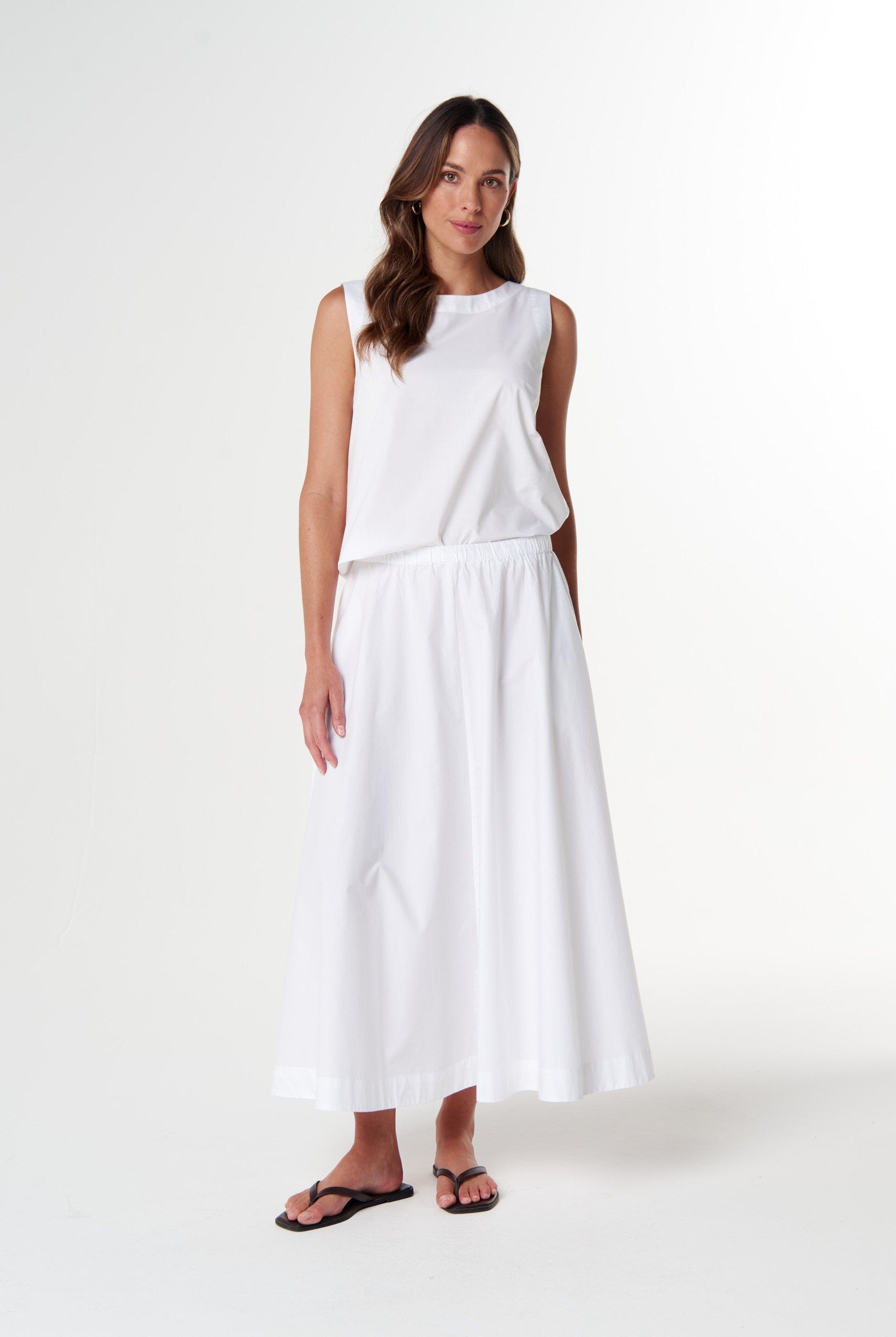
Lightweight cotton for a Queensland summer, and perfect for travelling. A crisp shirt for work. A soft T-shirt for the weekend. A cotton knit when the weather cools. Or a hard-wearing pair of jeans that only gets better with age.
For us, there’s also something important about knowing where fibres come from.
We live and work in a cotton-growing community. We see the crops in the paddocks, the bales coming out of the gin and the industry that supports towns like ours.
Cotton has been part of the Coulton family story for almost 50 years and at the heart of Goondiwindi Cotton for more than 30.
And we’re still very proud to have it in our name.
So today, we’re celebrating the growers, the communities and the natural fibre behind so much of what we wear.
Happy World Cotton Day from the Goondiwindi Cotton team.

References
Cotton Australia, History of Cotton Growing in Australia
Cotton Australia, Uses of Cotton
Australian Cotton Sustainability, Spreading the Love: Coultons Go Full Circle
ABC Landline, Sam Coulton Turned His Family's Cotton Crop Into a Clothing Brand
Humans of Agriculture, From Cotton Fields to Fashion: Sam Coulton
Goondiwindi Cotton, Our Story