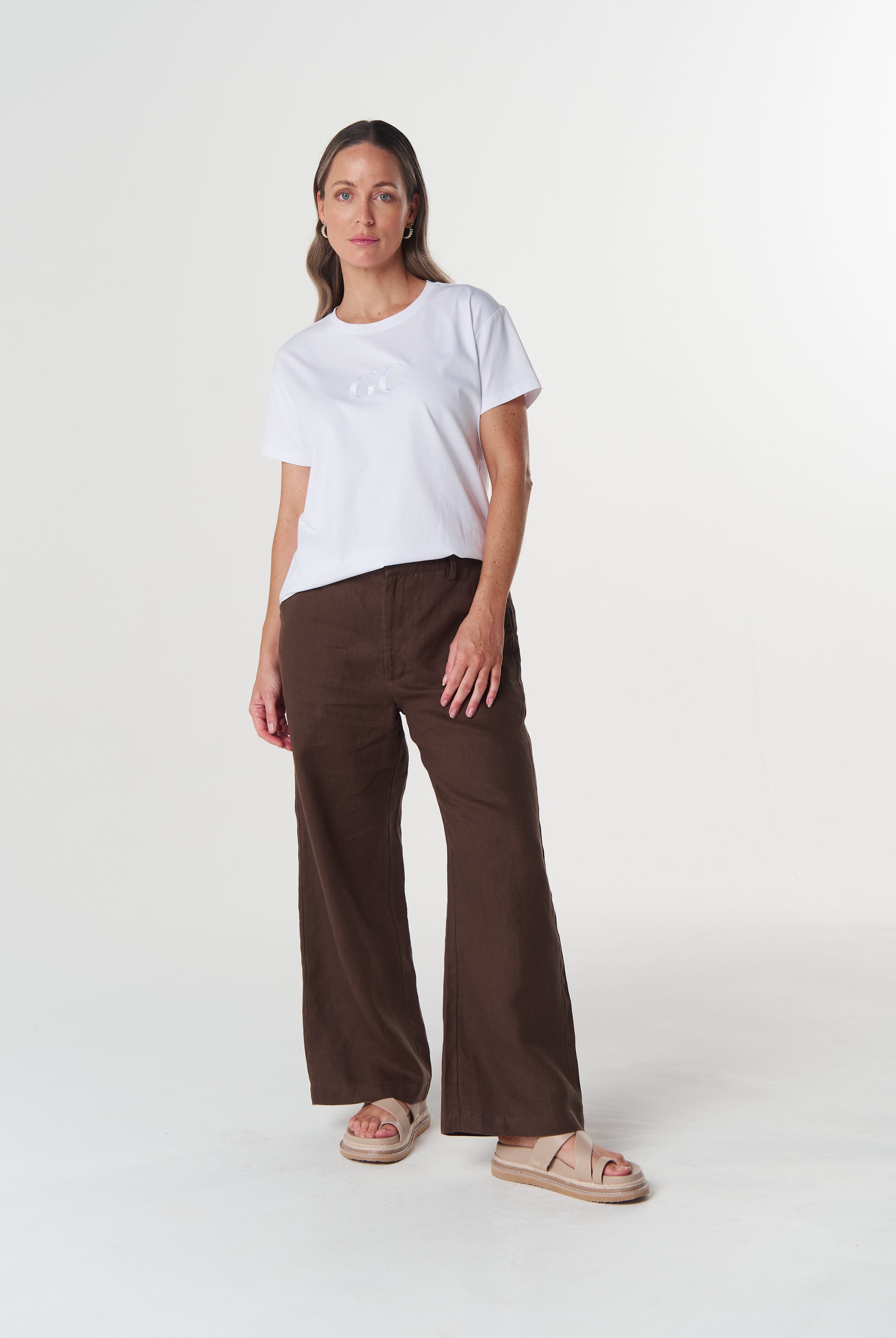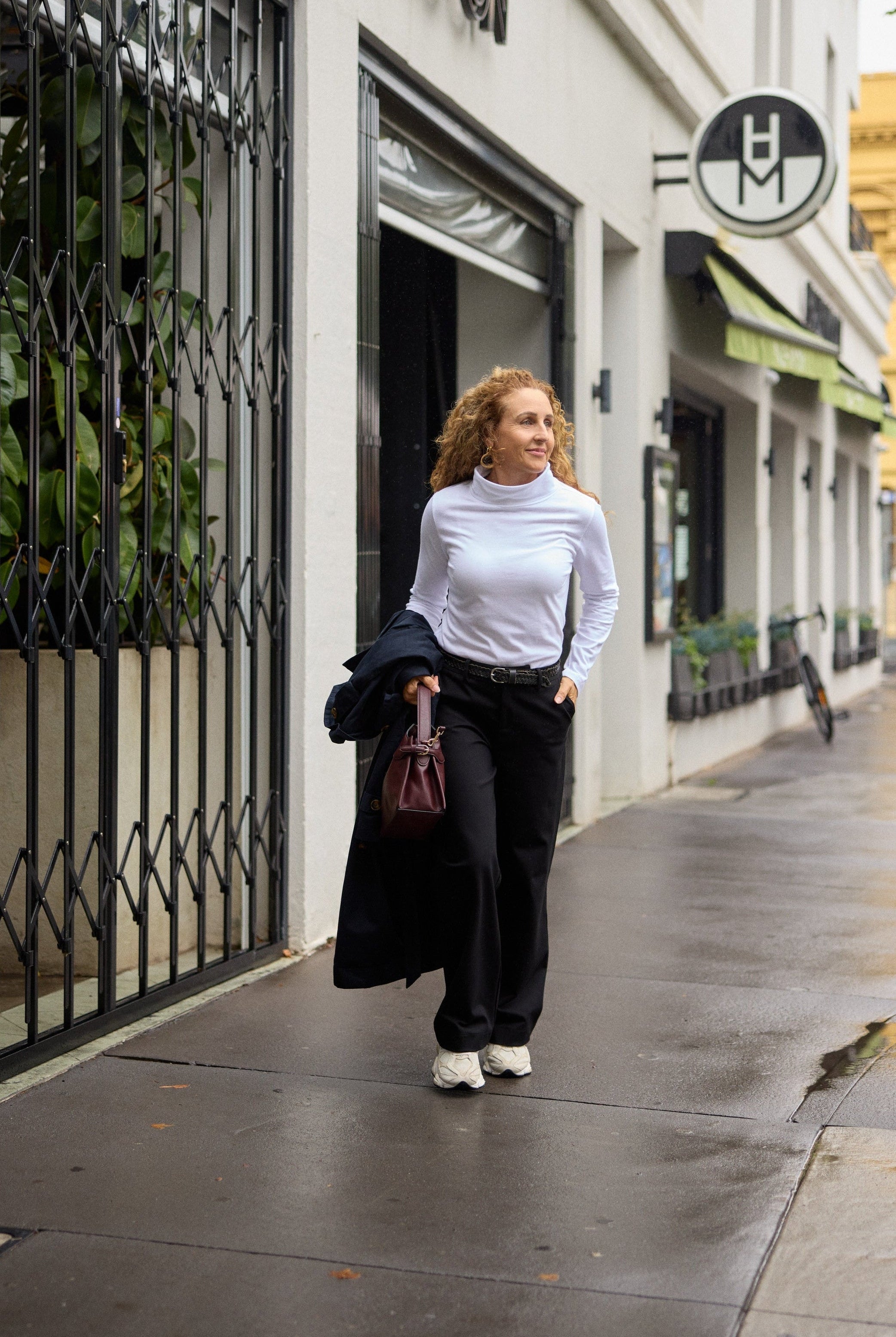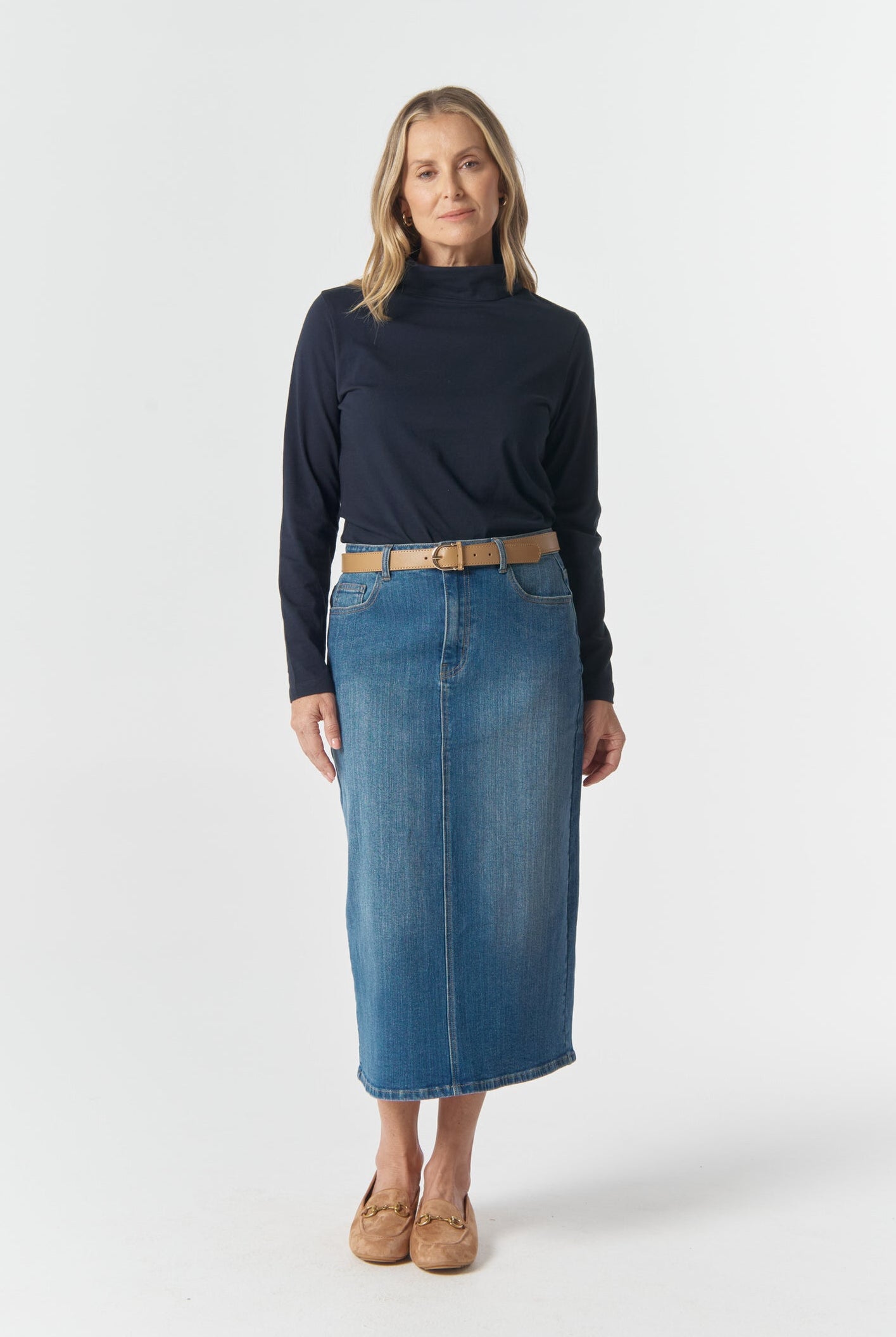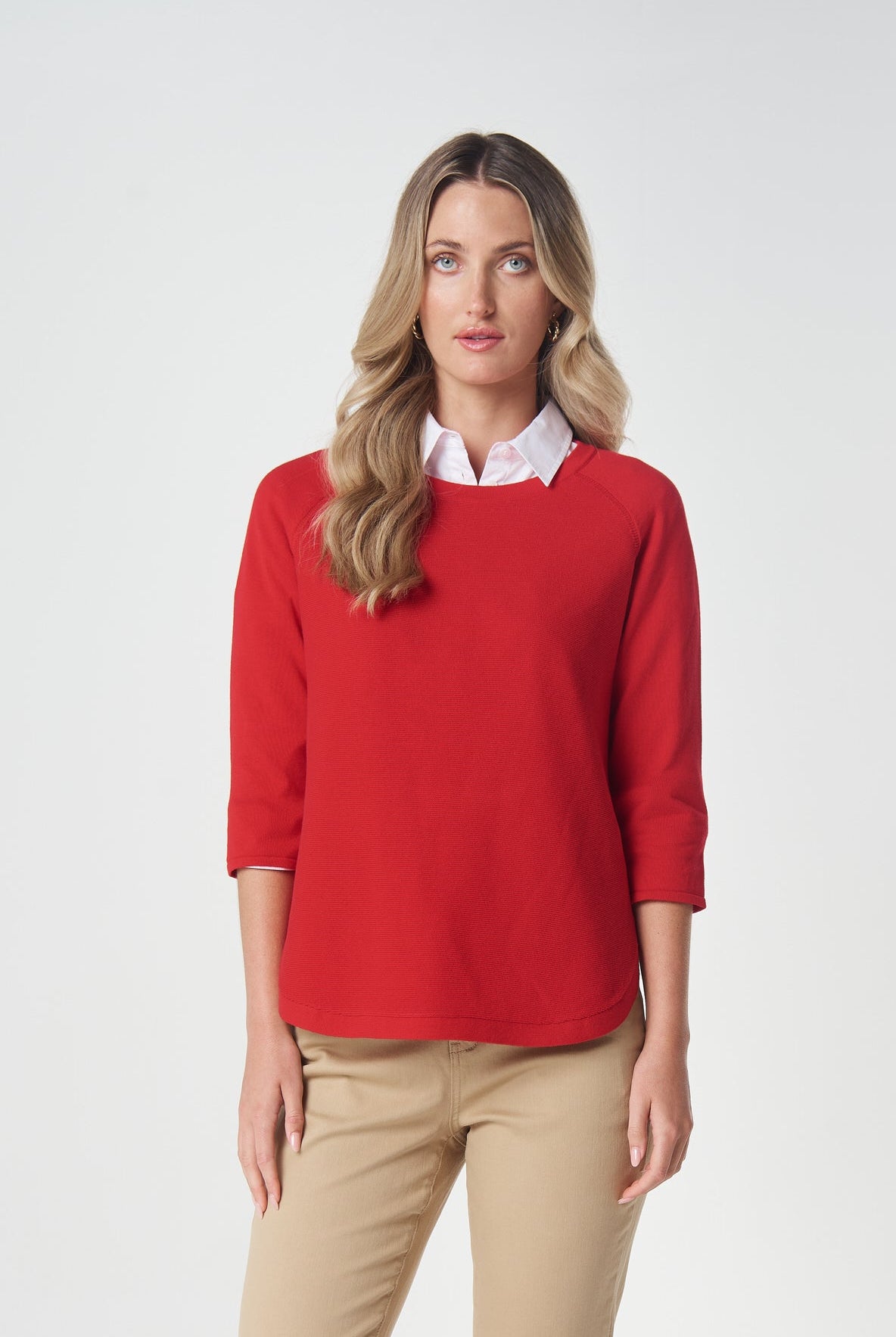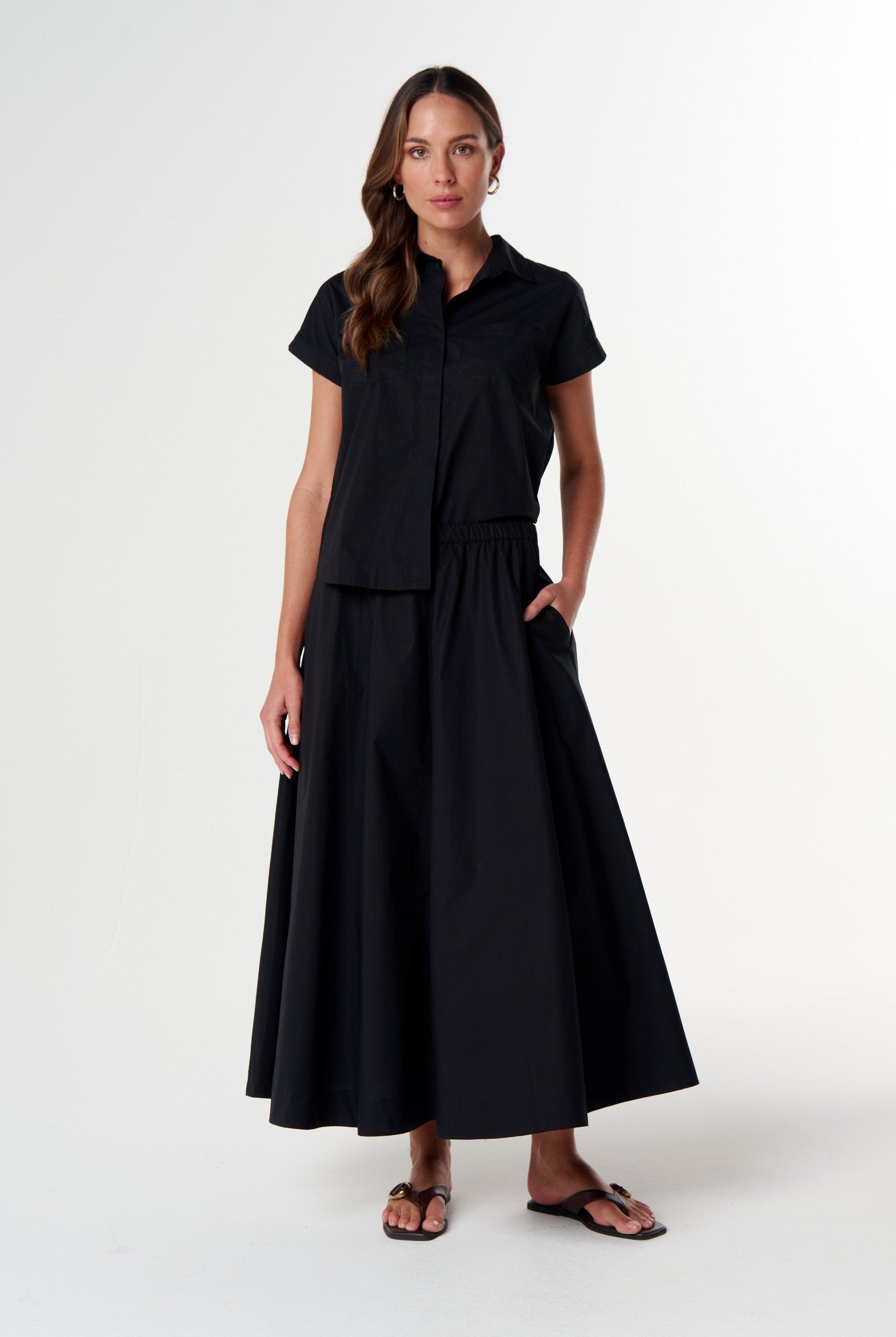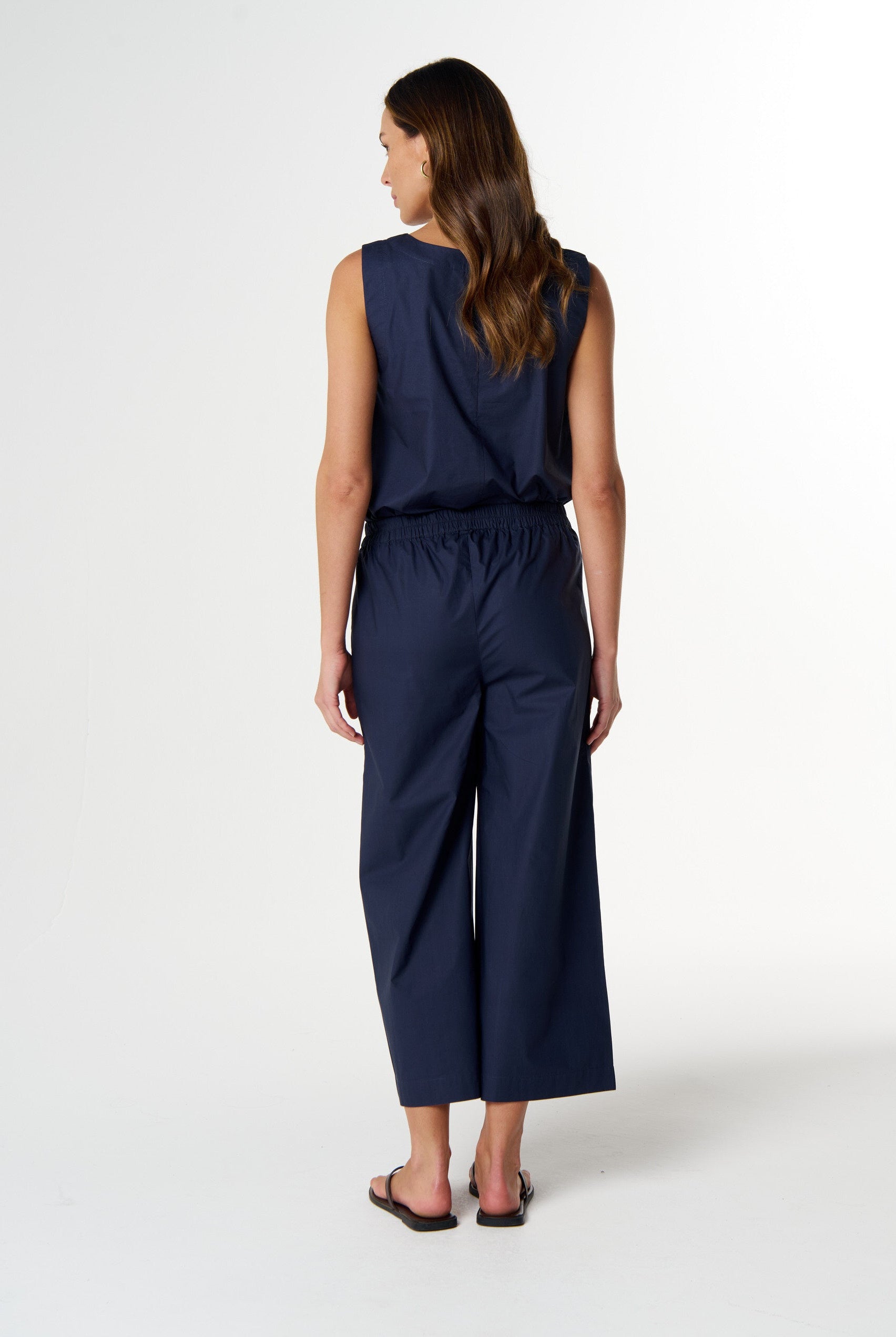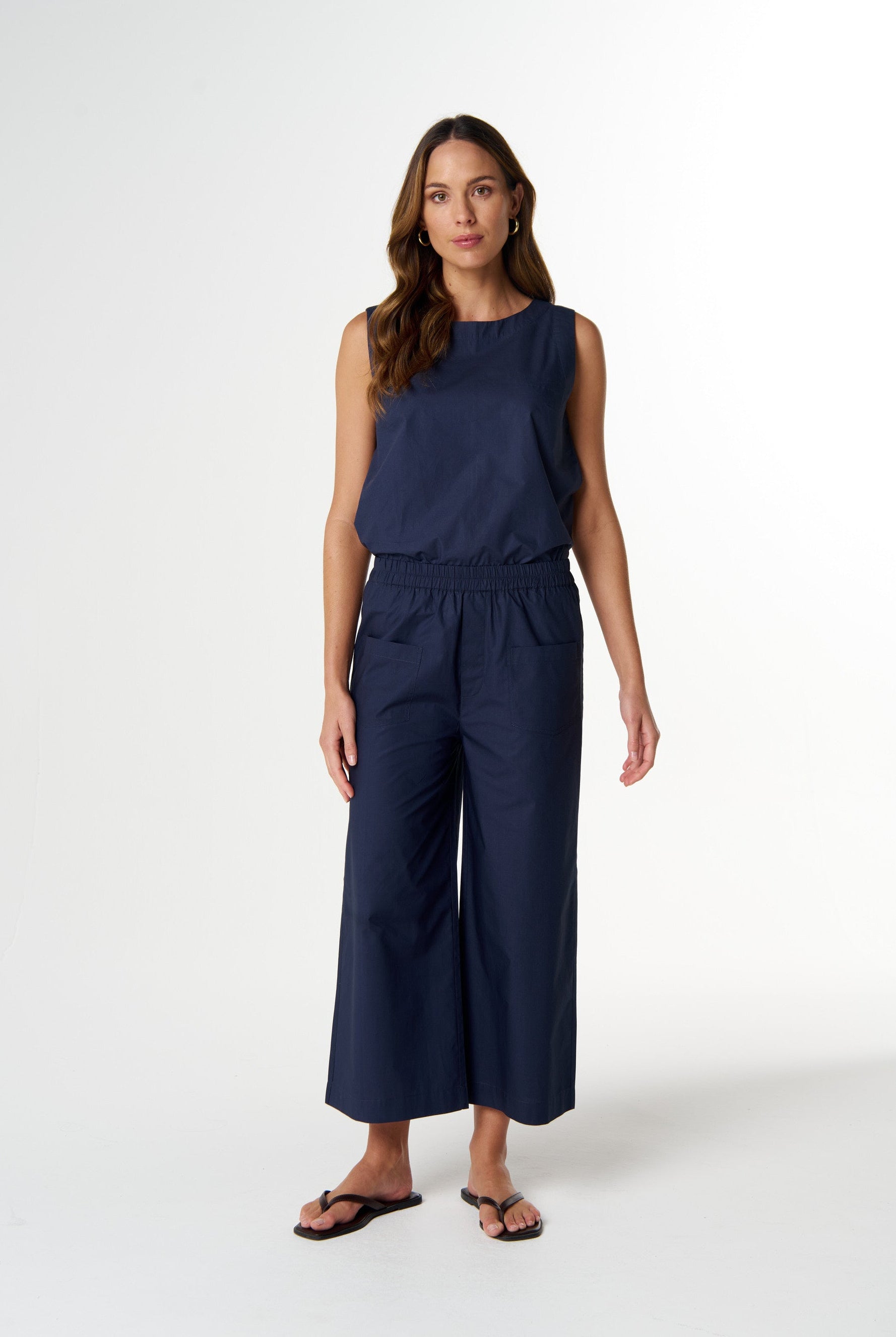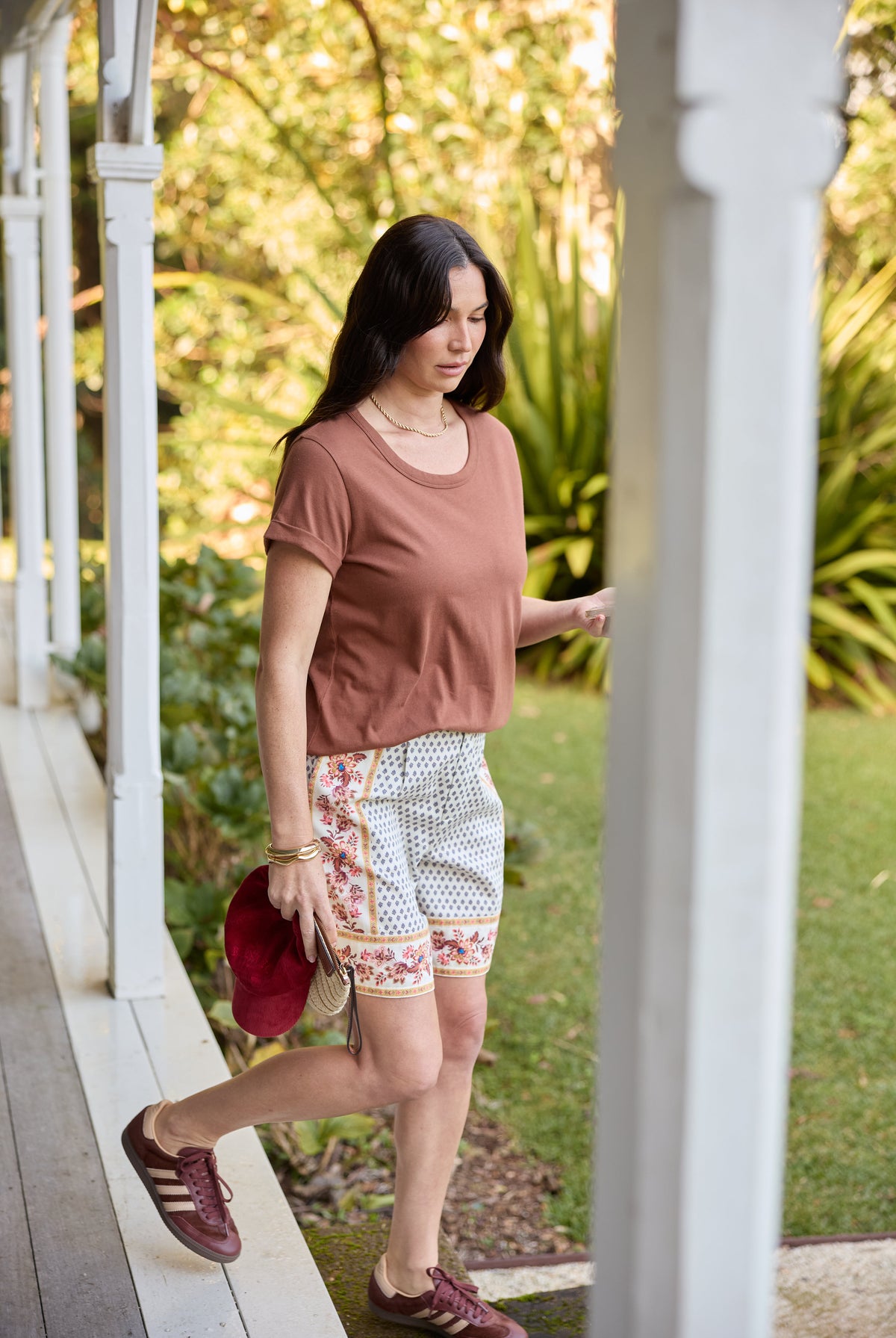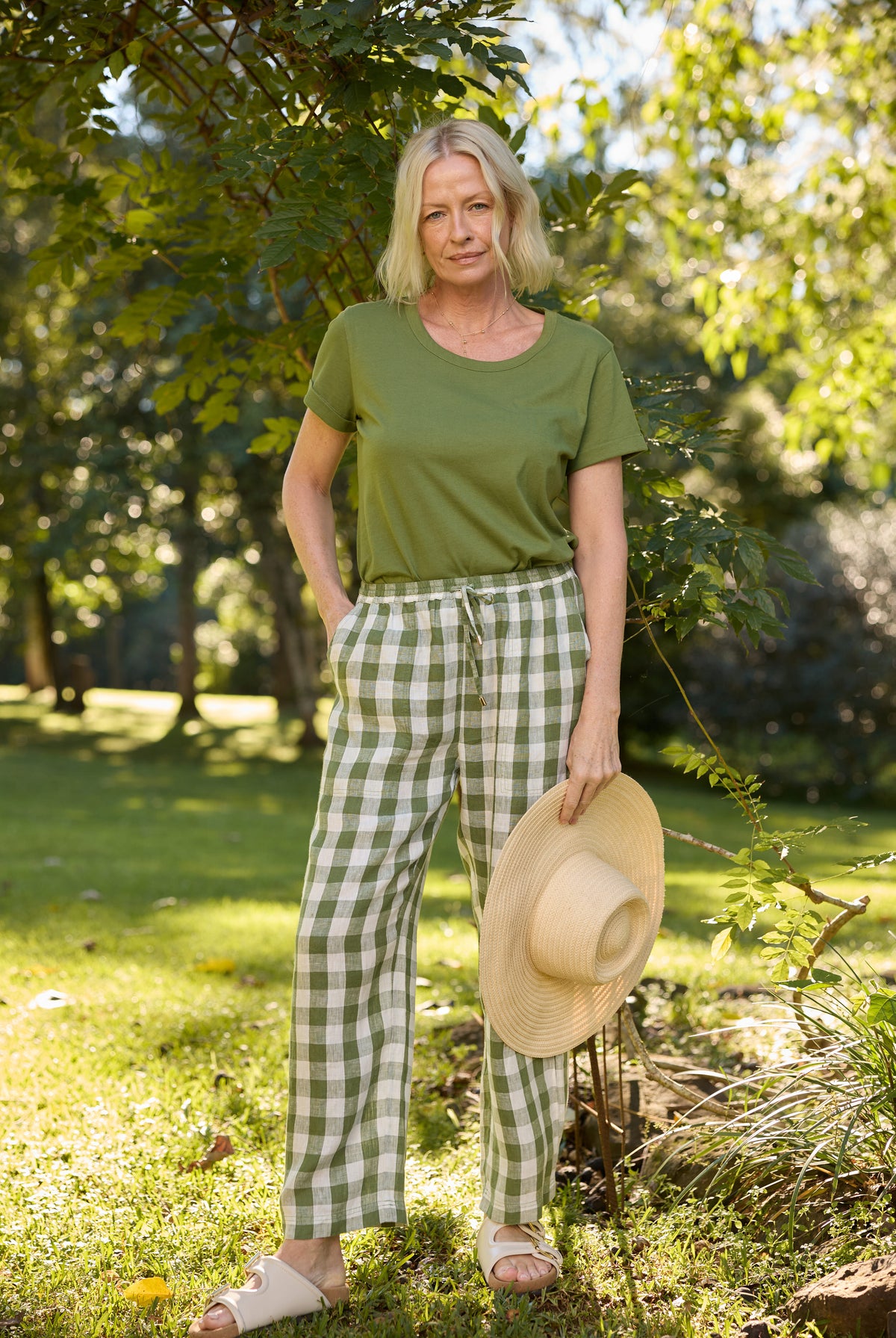


Growing up in the bush was the start of the tale. Our family’s story has always been tied to the land around Goondiwindi, where my great-grandfather Keith Coulton and his family built not just a farm, but a way of farming that keeps everything supporting itself.

Today, it is a diverse farming system. For us, cotton, cattle, and winter crops are not separate but rely on one another. They are part of one cycle that works together to keep all involved happy and healthy.
From Cotton to Crops
In July, we prepare for the upcoming cotton season, with planting beginning in October. While those fields are being readied, wheat, barley, and chickpeas are growing at Getta Getta, the original family farm near North Star, about 70 kilometres from Goondiwindi.
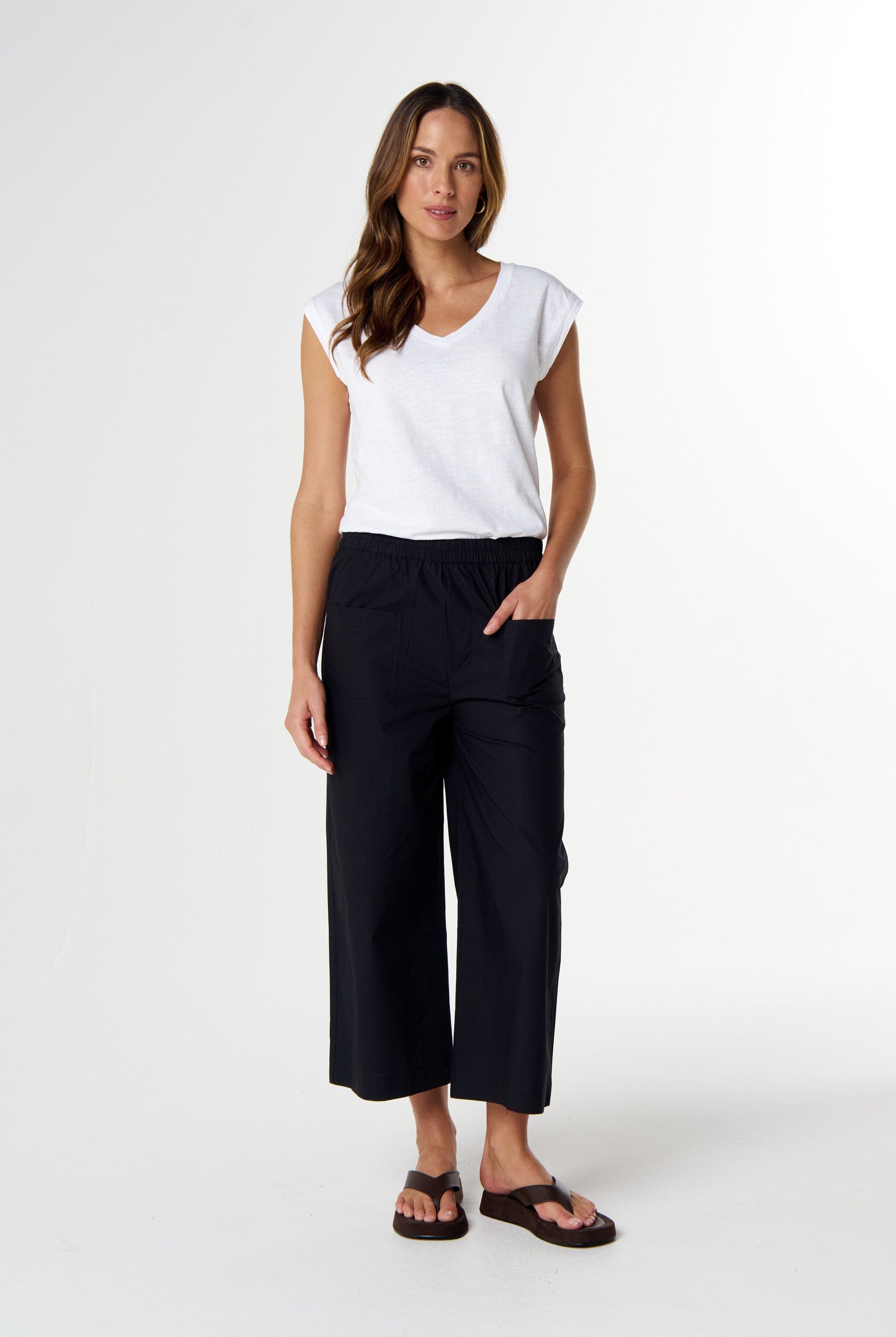
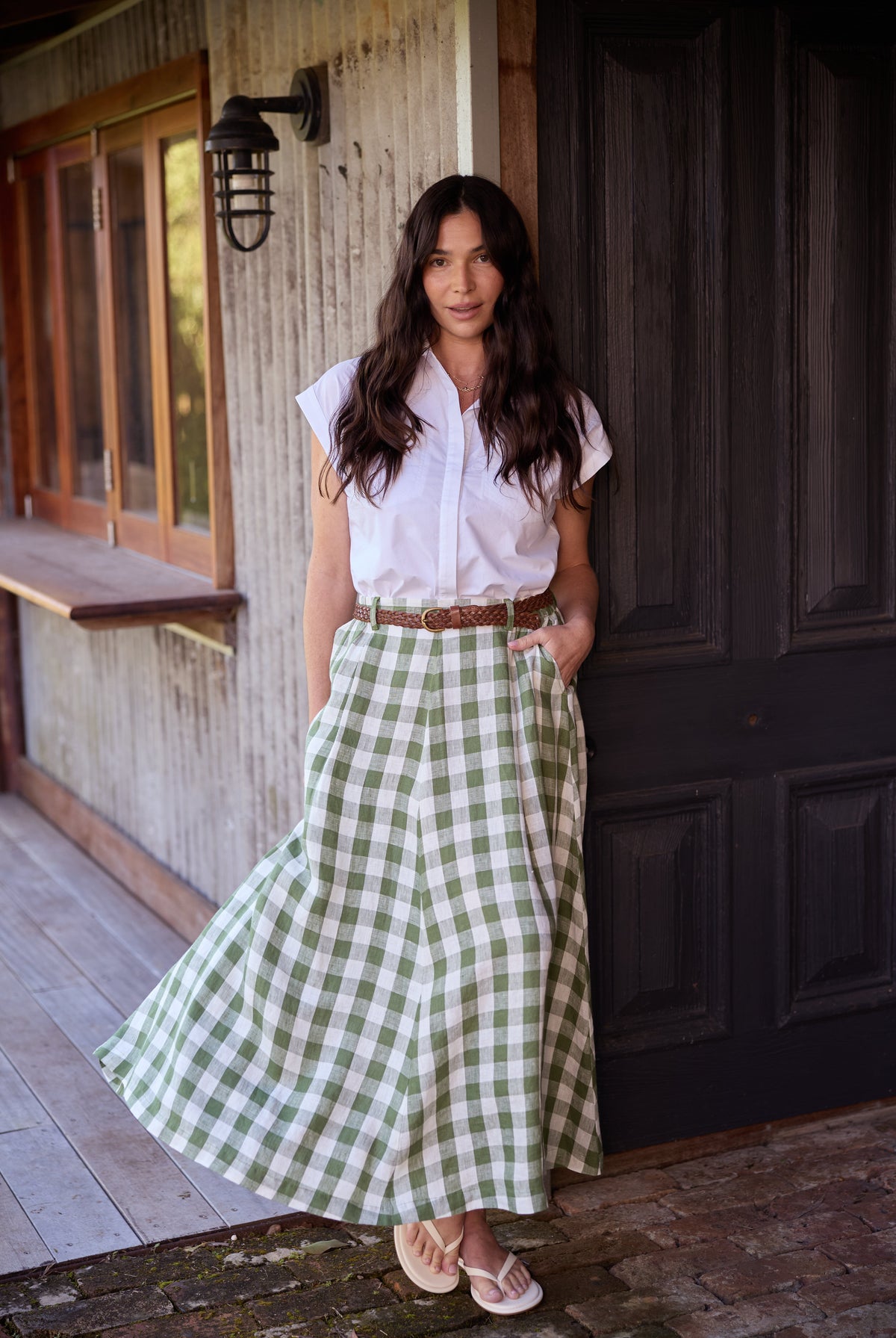
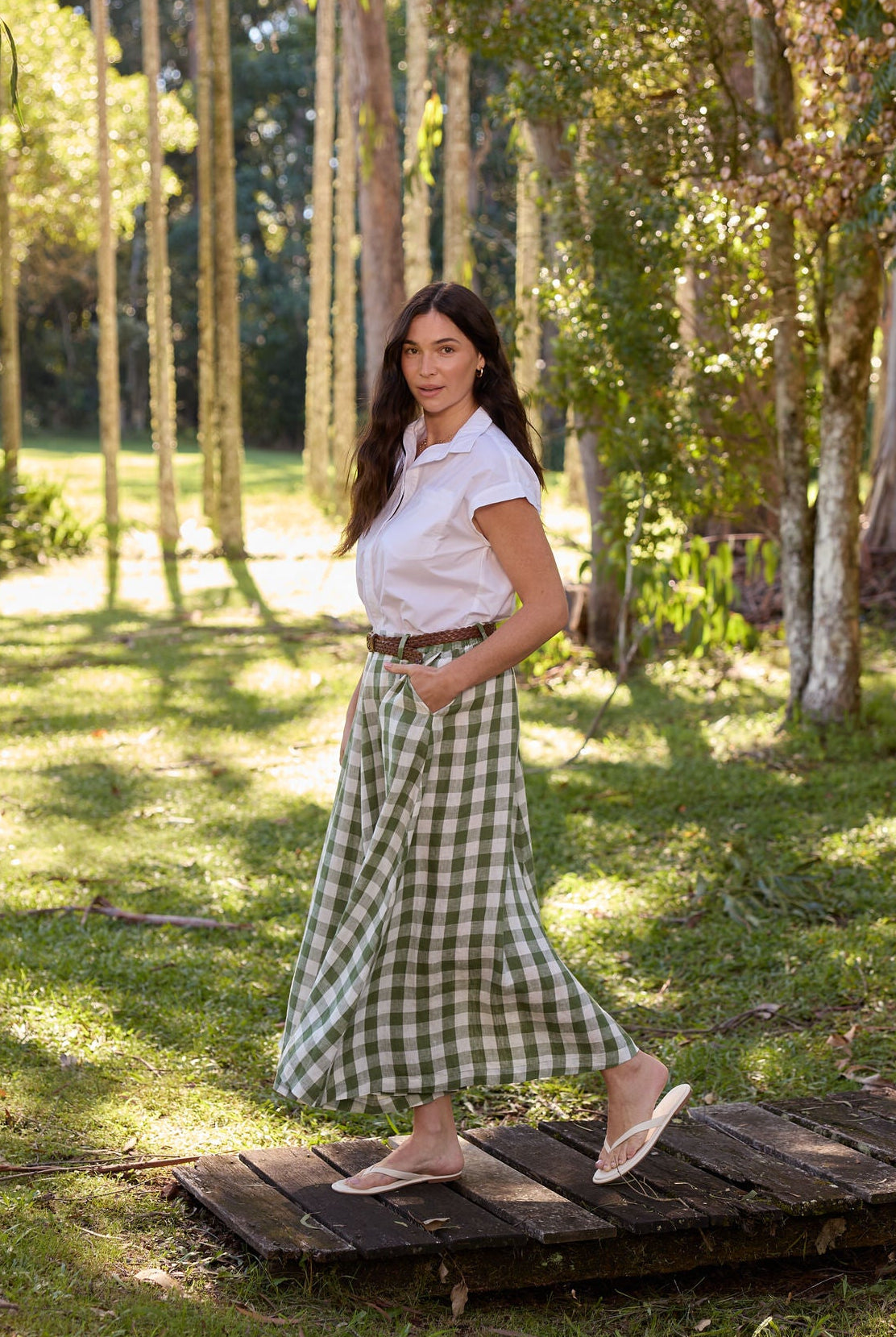
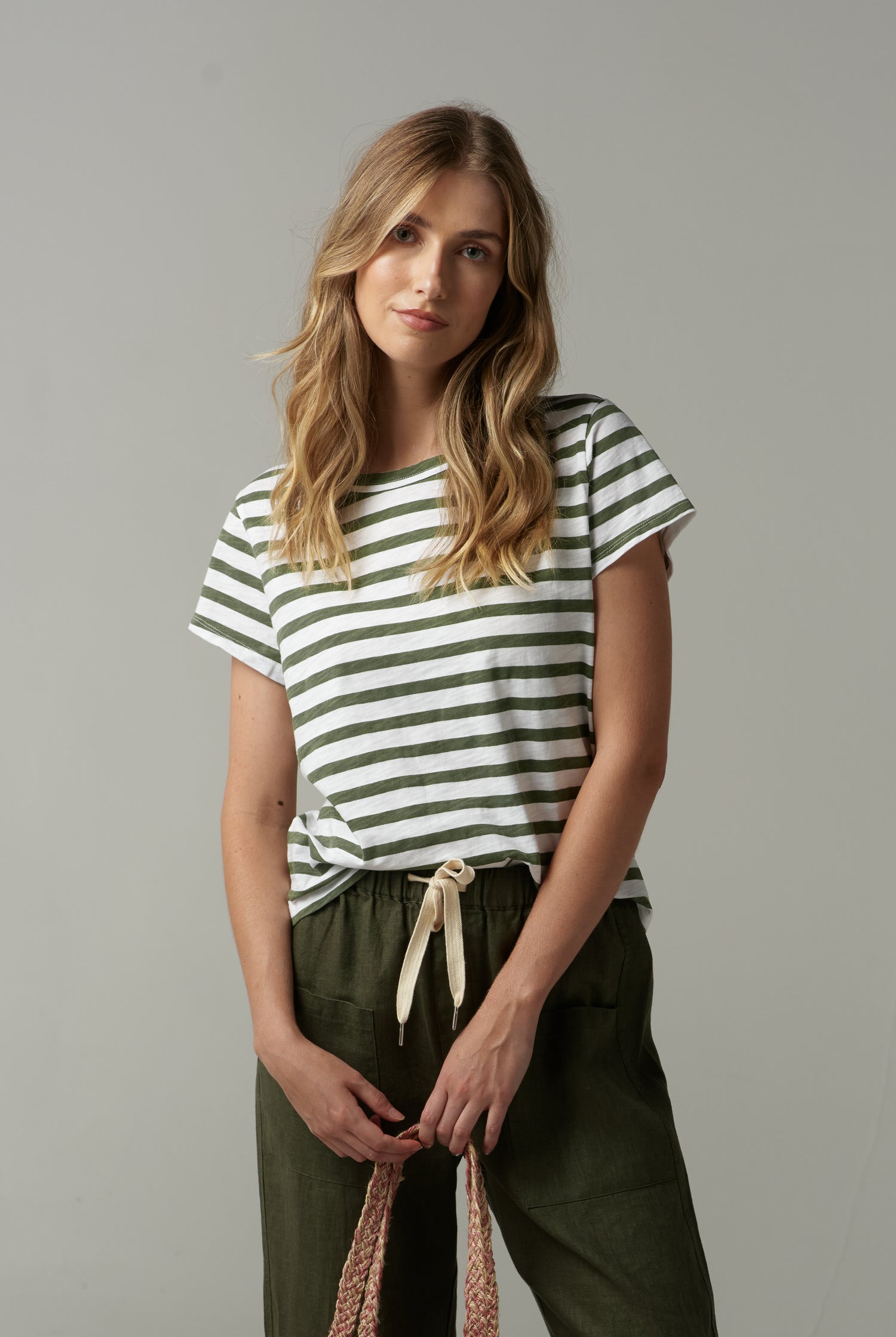
Cotton is our cornerstone crop. All of it is ginned locally and exported, eventually returning as fabrics, clothing, and textiles. But winter crops are just as vital. Wheat, barley, and chickpeas are sown through the cooler months and harvested in spring — most exported, with a small portion stored on-farm for the next season.


From Crops to Cattle
Cattle are another key part of the cycle across our family’s farms, producing Angus and Wagyu cattle. Their feed is supplemented by the very crops we grow, meaning summer and winter harvests directly support our herds, with the final product servicing both foreign and domestic markets to be able to continue to supply highly demanded Australian beef
July marks the start of calving season, a busy time when we closely monitor the health of every calf. cottonseed and winter crop grain is a necessary tool to ensure quality beef, which is a reminder that nothing is wasted.
Closing the Loop
The benefit of running cattle alongside cropping is that the system closes itself. Manure from the herd becomes a natural fertiliser, enriching the soil for cotton, wheat, barley, and chickpeas. Cotton by-products feed the cattle. Crops rotate across the land to protect and rejuvenate the soil. Every part supports the next.
Beyond the farm gate to create circularity
As caretakers of the land, Farmers must increasingly aim to become more sustainable within their farming practices. Something which we have done to try to become more sustainable is taking old cotton garments that have come to the end of their life as clothing and shredding them to small threads and spreading them back over our paddocks on the farm. Whilst still in trial stages we have seen no detriment to the soil and some indication of increased moisture retention which may lead to higher yields.
Textile waste is an increasingly large issue Australia and the world faces and we hope that this may be a solution in order to help reduce and recycle to create more sustainable farm practices.


Farming as a Community
Of course, farming is never just about one family. When drought affects one region, farmers in another step in, trading livestock or materials to ease the pressure. It is less about competition and more about community, about working together with shared knowledge and constant innovation. It could just be a conversation at the pub with the next door neighbour that is the inspiration or the information needed to help get you through or improve your farming ways.
As my grandfather Sam often says, “You trust a farmer for three feeds a day” It is a reminder of the vital role farming plays in everyday life.
Looking Ahead
Farmers today are producing more from the land than ever before, and innovation in agriculture is among the most crucial in the country. Circular farming is how we keep the system strong. It is how our family has built something lasting with commitment and maybe a little bit of luck — one farm feeding another, one season supporting the next, a cycle that gives back as much as it takes.
Do you want to take action and be part of Farm Fill, Goondiwindi Cotton's Recycling Program? Find out more or register here.


Words By Harry Coulton